Does Rice Water Help You Lose Weight? The Truth About This Trend
 May, 1 2026
Rice Water Weight Loss Calculator & Guide
Your Daily Routine
Calorie Comparison
White Rice
Rice Water
Your Personalized Results
Choose Your Preparation Method
Soaking Method (Recommended)
Preserves more enzymes and inositol - no heat appliedBoiling Method (Faster)
Quick preparation but may reduce some nutrientsSoaking Method Instructions:
- Take ½ cup uncooked white rice and rinse thoroughly
- Place in jar with 2 cups filtered water
- Let sit at room temperature for 12-24 hours
- Strain liquid and drink warm or at room temperature
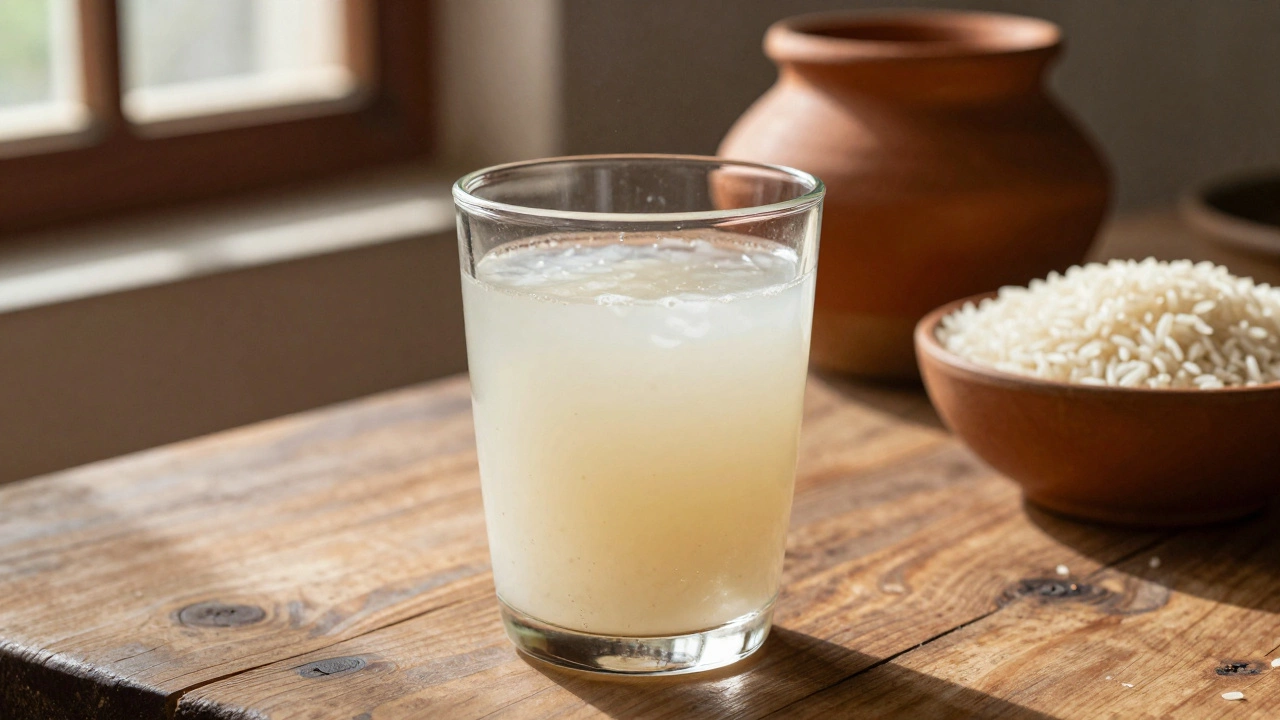
You’ve probably seen the videos. Someone boils rice, saves the cloudy liquid, drinks it warm, and claims they dropped five pounds in a week. It sounds too good to be true, doesn’t it? And honestly, it mostly is. But there’s a grain of truth buried under all the hype that actually matters if you’re trying to manage your weight while sticking to an Indian diet.
Rice water isn’t a magic fat-burning potion. However, it might help you lose weight indirectly by improving how your body handles sugar and reducing bloating. Let’s cut through the noise and look at what science says about this ancient kitchen staple.
The Science Behind Rice Water and Weight Loss
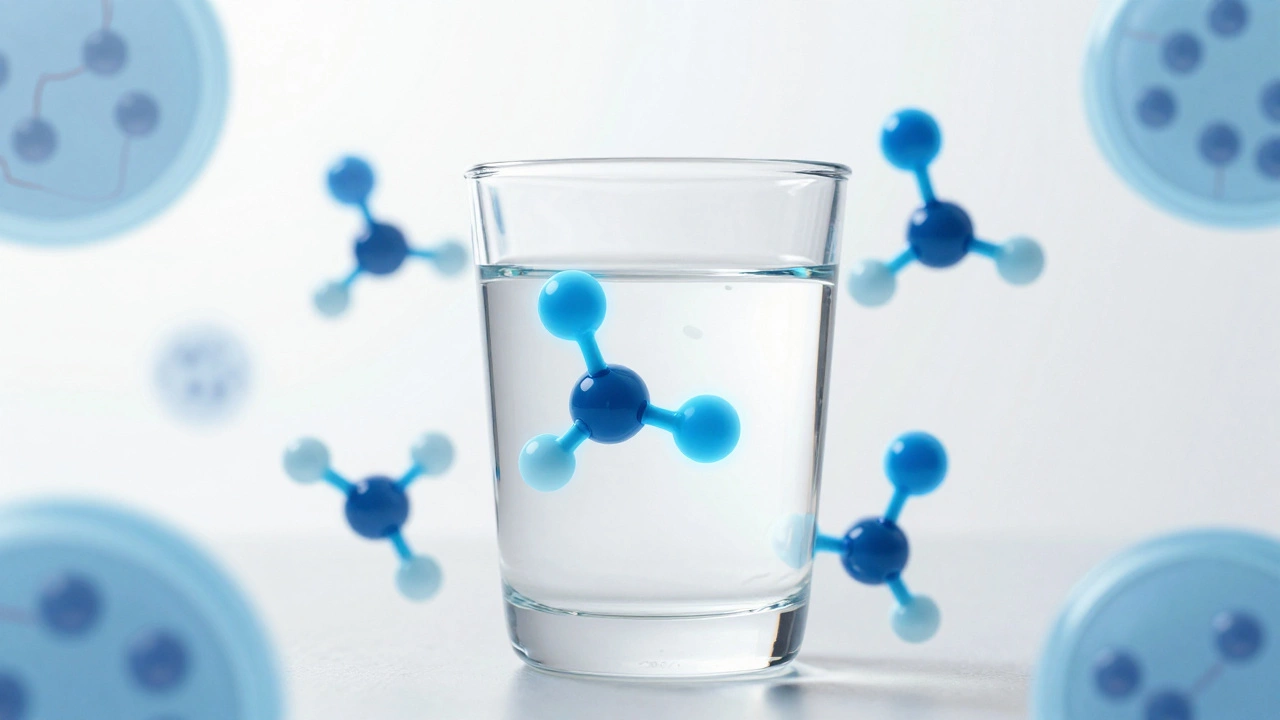
To understand why people swear by rice water, we have to look at its chemical composition. When you soak or boil white rice, especially varieties like Basmati or Sona Masoori, some nutrients leach out into the water. The most significant one for weight management is inositol, specifically D-chiro-inositol.
Inositol is a type of carbohydrate that acts similarly to insulin in your body. It helps cells respond better to insulin signals. Why does this matter for weight? Because when your cells are resistant to insulin, your body stores more fat, particularly around the midsection. By improving insulin sensitivity, inositol may help prevent those stubborn fat deposits from forming in the first place.
A study published in the journal Nutrition Journal found that participants who consumed inositol-rich foods experienced improved glucose metabolism. While they didn’t drink rice water directly, the mechanism suggests that regular consumption could support metabolic health. Better metabolism means your body burns energy more efficiently, which can lead to gradual weight loss over time-not overnight miracles.
| Component | White Rice (Cooked, 1 cup) | Rice Water (1 cup, strained) |
|---|---|---|
| Calories | ~205 kcal | ~15-30 kcal |
| Carbohydrates | ~45 g | ~3-5 g |
| Inositol | Low (bound in grain) | Moderate (leached into water) |
| Fiber | ~0.6 g | Negligible |
Notice the calorie difference? That’s where the real weight loss benefit lies. Replacing high-calorie snacks with low-calorie rice water creates a calorie deficit without leaving you hungry.
Gut Health: The Hidden Link to Weight Management
Most people overlook the connection between their gut and their waistline. Rice water contains starches that act as prebiotics-food for the good bacteria in your intestines. A healthy gut microbiome is crucial for regulating appetite hormones like ghrelin and leptin.
If your gut is inflamed or imbalanced, you might experience cravings for sugary or fatty foods. Drinking rice water can soothe the digestive tract. In traditional Ayurveda, rice water is often prescribed for diarrhea or upset stomachs because of its binding properties. For someone trying to lose weight, less bloating means a flatter stomach and fewer false gains on the scale due to water retention.
Think of it this way: if you’re constantly bloated, you feel sluggish and uncomfortable. This often leads to skipping workouts or reaching for comfort food. By stabilizing digestion, rice water removes one barrier to consistent exercise and healthy eating habits.
How to Make Effective Rice Water for Weight Loss
Not all rice water is created equal. If you want to maximize the potential benefits, preparation matters. Here are two common methods used in Indian households:
- The Soaking Method: Take half a cup of uncooked white rice and rinse it thoroughly. Place it in a jar with two cups of filtered water. Let it sit at room temperature for 12 to 24 hours. Strain the liquid. This method preserves more enzymes and inositol since no heat is applied.
- The Boiling Method: Cook rice using double the usual amount of water. Once the rice is tender but not mushy, strain the starchy liquid. Let it cool. This method is faster but may reduce some heat-sensitive nutrients.
For best results, use organic brown rice or parboiled rice if possible, though white rice yields cloudier water due to higher surface starch content. Drink it warm or at room temperature. Avoid adding sugar, honey, or jaggery, as these will spike your blood sugar and counteract the insulin-sensitizing effects of inositol.
Aim for one glass per day, ideally before meals. Drinking it before lunch or dinner can help control portion sizes by providing a feeling of fullness.
Rice Water vs. Other Indian Home Remedies
Rice water is just one tool in the box. How does it stack up against other popular Indian weight-loss aids?
- Methi Water (Fenugreek): Fenugreek seeds soaked overnight are known to lower cholesterol and regulate blood sugar. They are bitter, which some find off-putting, but they are generally more potent for glycemic control than rice water.
- Cucumber Water: Hydrating and diuretic, cucumber water helps flush out excess salt and water weight. It lacks the nutritional density of rice water but is excellent for immediate bloating relief.
- Turmeric Milk (Haldi Doodh): Great for inflammation and sleep quality. Poor sleep disrupts hunger hormones, so this indirect approach supports weight loss by ensuring restorative rest.
Rice water wins on accessibility and taste. Most Indians already have rice in their pantry, and the mild, slightly sweet flavor makes it easy to consume daily without discipline issues.
Potential Risks and Who Should Avoid It
While rice water is generally safe, it’s not risk-free for everyone. The primary concern is arsenic. Rice absorbs more arsenic from soil than other crops. Long-term consumption of rice water, especially from non-organic sources, could lead to arsenic accumulation.
To mitigate this, rinse your rice thoroughly before soaking or boiling. Use plenty of water during cooking to dilute contaminants. If you have diabetes, monitor your blood sugar closely. Although inositol helps insulin sensitivity, the residual carbohydrates in rice water can still cause minor spikes.
Also, remember that rice water has almost no fiber. Fiber is essential for long-term satiety and bowel regularity. Don’t replace whole fruits, vegetables, or whole grains with rice water. Use it as a supplement, not a substitute.
Integrating Rice Water into Your Daily Routine
Success with rice water comes from consistency and context. It won’t work if you’re drinking it alongside a diet high in processed sugars and fried foods. Here’s how to fit it into a balanced Indian lifestyle:
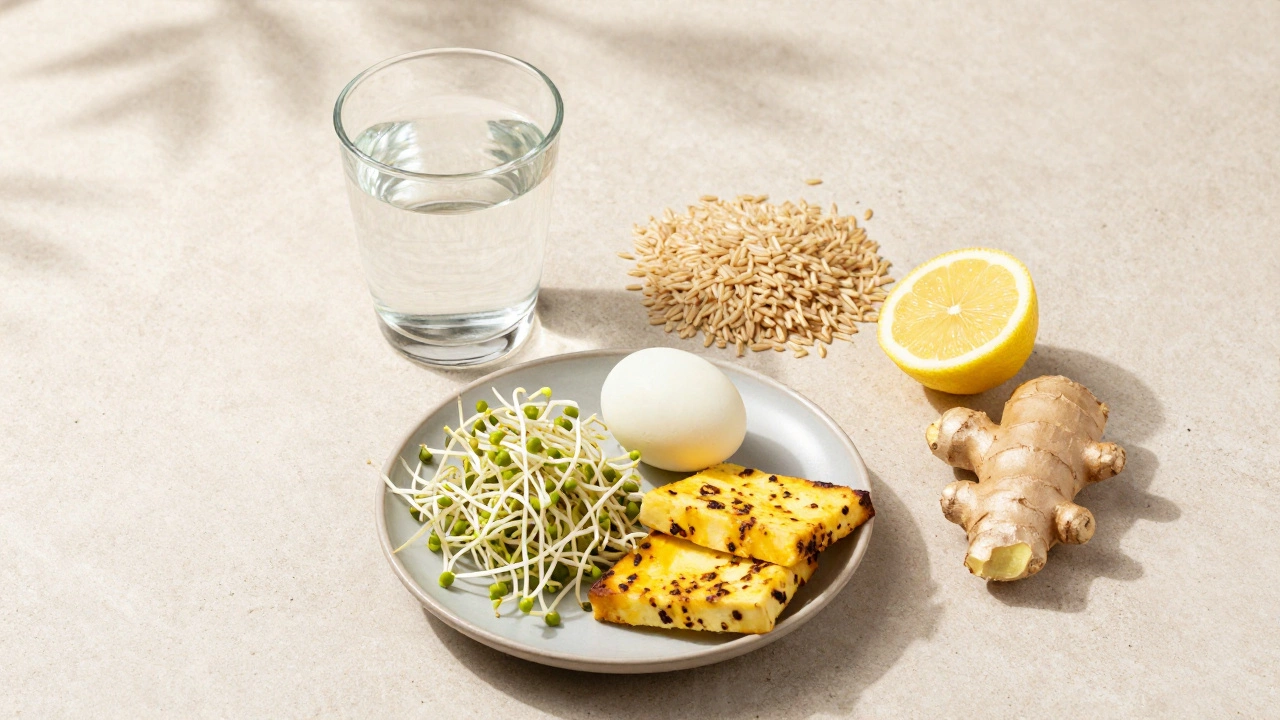
Start your morning with a glass of warm rice water instead of heavy breakfast teas or coffees with milk and sugar. Follow it with a protein-rich breakfast like eggs, paneer bhurji, or sprouts. This combination stabilizes your energy levels throughout the morning.
Use rice water as a post-workout hydration aid if you don’t have access to electrolyte drinks. The small amount of carbs can replenish glycogen stores without spiking insulin excessively.
Finally, pair it with mindful eating. Slow down during meals. Chew thoroughly. These behavioral changes amplify the physiological benefits of any dietary intervention.
Can I drink rice water every day for weight loss?
Yes, you can drink rice water daily, provided you source your rice carefully to minimize arsenic exposure. Limit it to one glass per day to avoid excessive carbohydrate intake. Listen to your body; if you experience digestive discomfort, reduce frequency.
Is cold rice water better than hot rice water?
Temperature doesn't significantly affect the nutrient content. However, warm rice water is traditionally preferred in Ayurveda for easier digestion. Cold rice water may be more refreshing in summer but could irritate sensitive stomachs.
Does rice water work for belly fat specifically?
No spot reduction exists. Rice water may help reduce overall body fat by improving insulin sensitivity and reducing bloating. Belly fat often decreases last, but consistent calorie deficit and exercise are required for visible results.
Can I add lemon or ginger to rice water?
Absolutely. Adding fresh lemon juice or grated ginger enhances flavor and adds antioxidants. Lemon provides vitamin C, while ginger aids digestion and reduces nausea. Just avoid adding sugar or honey.
How long does it take to see results from drinking rice water?
Results vary by individual. Some notice reduced bloating within days. Significant weight loss takes weeks to months and depends heavily on your overall diet and activity level. Expect modest changes, not dramatic transformations.