How Many Cups of Rice for Biryani? The Perfect Ratio Guide
 Apr, 17 2026
Biryani Rice & Protein Calculator
Recommended Measurements
Quick Guide: Rice Measurements at a Glance
- For 2 People: 1 to 1.5 cups of uncooked rice.
- For 4 People: 2 to 3 cups of uncooked rice.
- For 6-8 People: 4 to 6 cups of uncooked rice.
The Golden Ratio: Rice vs. Protein
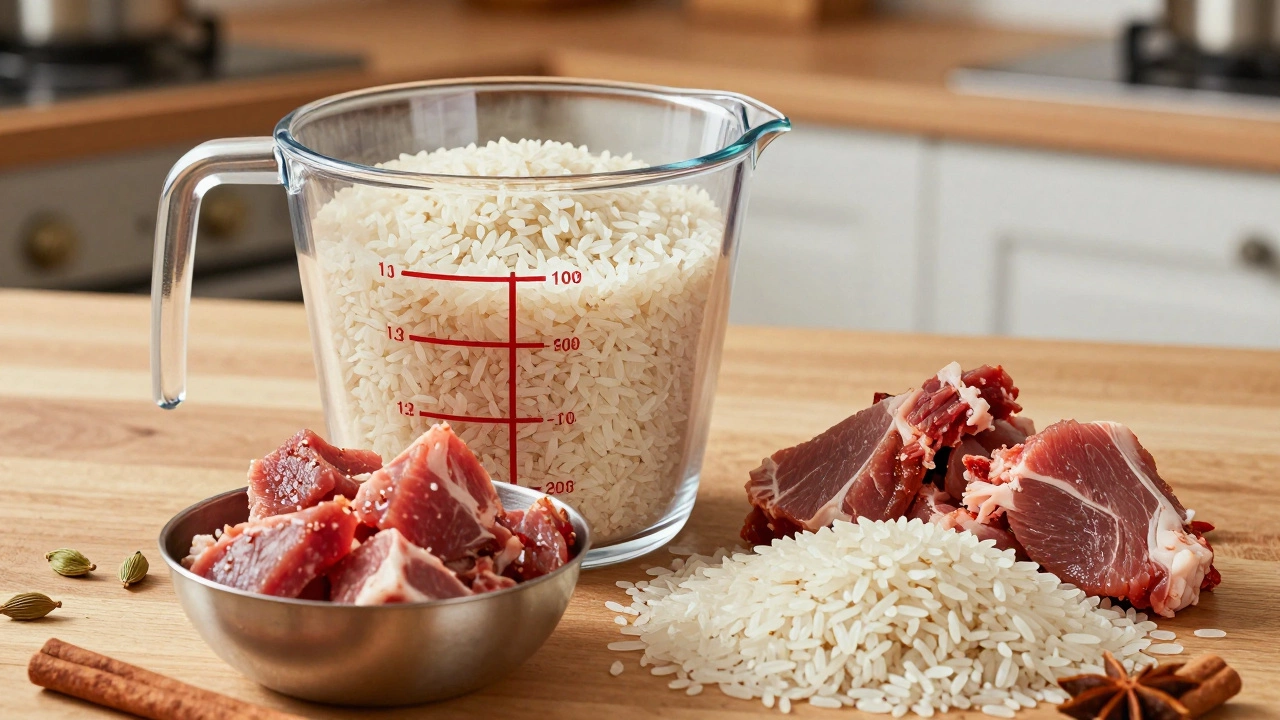
To get that restaurant-quality feel, you need to balance your Basmati Rice with your protein. The industry secret is the 1:1 ratio by weight, but since most of us use measuring cups, let's talk volumes. For a balanced meal, aim for 1 cup of uncooked rice for every 500 grams (about 1.1 lbs) of meat.
If you are making a vegetable biryani, you can be a bit more generous with the rice, perhaps 1.25 cups per 500g of mixed veggies, as vegetables shrink more during the searing process than meat does. If you prefer a "meatier" biryani, keep the rice to exactly 1 cup per half-kilo of protein. This ensures the meat remains the star while the rice acts as the aromatic carrier.
| Meat/Veg Amount | Rice (Standard Cup) | Estimated Servings | Style Recommendation |
|---|---|---|---|
| 500g | 1 - 1.5 Cups | 2-3 People | Home-style / Daily |
| 1kg | 3 Cups | 5-6 People | Party / Guest Meal |
| 2kg | 6 Cups | 10-12 People | Family Gathering |
Understanding the "Cup" Confusion
Before you pour, ask yourself: which cup am I using? A standard US measuring cup is 240ml, while a metric cup is 250ml. In the world of Indian Recipes, many people use a random tea glass or a bowl from the kitchen. This is where things go wrong.
If you use a large 300ml bowl as your "cup," you are adding 25% more rice than a recipe intends. This disrupts the water ratio and can lead to undercooked grains in the center of the pot. Always use a standardized measuring cup if you want consistent results. If you only have a glass, just make sure you use the same glass for both the rice and the water measurement to keep the proportion stable.
The Water Factor: Avoiding the Mush
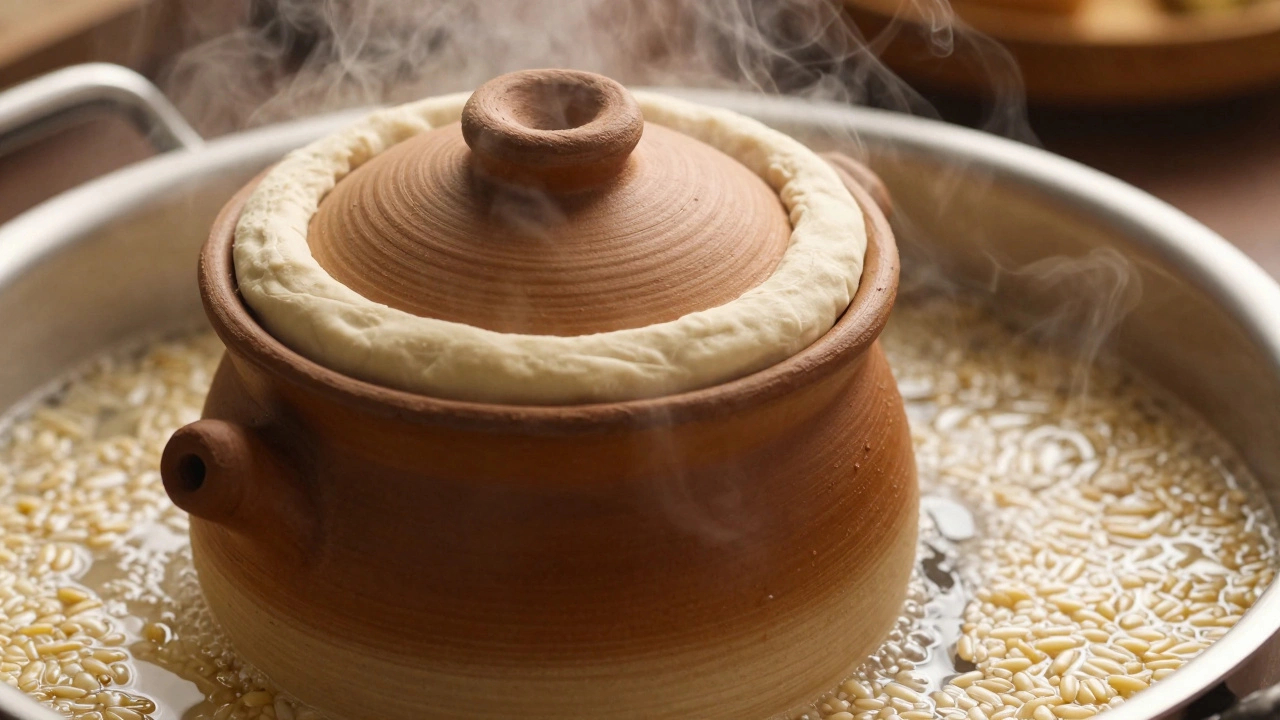
The amount of rice you use dictates exactly how much water you need, but it depends on the cooking method. If you are using the Dum Cooking method-where the pot is sealed with dough-remember that the meat and yogurt in the masala release their own moisture.
For parboiled rice (rice boiled to 70% before layering), the rule of thumb is to use about 1.5 to 2 cups of water for every 1 cup of rice in the initial boil. However, when layering, the steam trapped inside the pot does the heavy lifting. A common mistake is adding an extra cup of water "just in case," which turns your fluffy biryani into a porridge. If you're using 3 cups of rice, 4 to 5 cups of water for the initial boil is plenty. The remaining moisture comes from the marinated meat.
Choosing the Right Grain for the Volume
Not all rice is created equal. Long-Grain Basmati Rice is the standard because it expands significantly. A single cup of raw basmati can triple in volume once cooked. If you use a shorter grain or a non-aged variety, the expansion is less, meaning you might actually need to increase your rice quantity by 10-15% to get the same satiety level.
Aged rice (1-2 years) is preferred because the starch crystallizes, allowing the grains to stay separate. If you use fresh, new rice, the grains are stickier. In that case, you should slightly reduce the amount of rice or increase the amount of fat (ghee) to prevent the grains from clumping together into a mass.
Common Pitfalls and How to Fix Them
What happens if you realize mid-way that you've added too much rice? You'll likely notice the rice looks pale and the aroma of the masala is missing. To fix this, you can quickly sauté some fried onions (birista) with a pinch of garam masala and a spoon of ghee, then fold it into the rice. It won't be a perfect mix, but it saves the flavor profile.
On the flip side, if you have too little rice, your biryani will be very oily. This is because the fat from the meat isn't being absorbed by the grains. To remedy this, avoid adding more plain steamed rice at the end, as it will taste disconnected. Instead, try adding a small amount of rice cooked with a bit of saffron and salt to blend it in seamlessly.
Pro Tips for Precise Portions
- Wash and Soak: Always soak your rice for 30 minutes. This allows the grain to absorb water uniformly, meaning it expands more consistently regardless of the total volume.
- The 70% Rule: For layered biryani, boil the rice until it is just barely edible (has a bite in the center). Since it will finish cooking in the Handi (clay pot) or pressure cooker, this prevents overcooking.
- The Ghee Buffer: For every 2 cups of rice, add 2 tablespoons of extra ghee on top before sealing the pot. This creates a moisture barrier and ensures the grains remain distinct.
Can I use a 1:2 rice to water ratio for biryani?
For plain steamed rice, 1:2 works. But for biryani, especially Dum style, 1:2 is often too much water because the meat and yogurt contribute liquid. If you are boiling the rice separately, 1.5 to 2 cups of water per cup of rice is fine, but drain the excess water immediately once the rice is 70% cooked.
Does the type of meat change how much rice I need?
Yes. Mutton and beef are denser and take longer to cook, often requiring a slightly lower rice-to-meat ratio to ensure the meat is tender by the time the rice is done. Chicken is lighter and cooks faster, so you can safely go with a slightly higher volume of rice without worrying about the meat being undercooked.
How many cups of rice for 1 kg of chicken?
For 1 kg of chicken, 3 cups of uncooked basmati rice is the ideal measurement. This provides a perfect balance where you get a generous amount of meat in every spoonful without the rice overpowering the dish.
What if my rice is too sticky?
Sticky rice usually happens due to too much water or not rinsing the starch off. Next time, rinse the rice until the water runs clear. If it's already cooked and sticky, do not stir it immediately. Let it rest for 15 minutes, then fluff it gently with a fork from the sides to avoid breaking the grains.
Is there a difference between a "cup" in US and Indian recipes?
Yes, US cups are roughly 240ml and metric cups used in many Indian contexts are 250ml. While a 10ml difference seems small, across 4-5 cups of rice, it can add up. The most important thing is to be consistent-use the same vessel for both rice and water measurements.
Next Steps for Your Biryani Journey
Now that you've mastered the volume, your next challenge is the heat. If you're using a heavy-bottomed pot, remember that the heat takes longer to reach the center. If you're using a pressure cooker, reduce your water by another 10% because no steam escapes. If you want to elevate the flavor, try experimenting with different aromatic additions like star anise or black cardamom, which complement the rice volume perfectly.