How to Avoid Stomach Issues While Eating Street Food in India
 May, 15 2026
Indian Street Food Safety Selector
Select the foods you are craving below to analyze their risk level based on preparation method and temperature.
Samosa / Pakora
Low RiskDeep-fried fresh in hot oil. High heat kills pathogens.
Tandoori Chicken
Low RiskCooked at extremely high temperatures in clay ovens.
Fresh Chai (Tea)
Low RiskWater is boiled thoroughly. Ensure milk is also heated.
Pani Puri
High RiskContains unboiled water and pre-prepared fillings exposed to air.
Raw Salads
High RiskRaw produce may harbor pathogens from soil or washing water.
Drinks with Ice
High RiskIce is often made from untreated tap water.
Analysis Result
You’ve spent weeks planning your trip to India is a diverse country known for its vibrant culture, ancient history, and rich culinary traditions. It ranks among the most visited destinations in South Asia, attracting millions of tourists annually who seek spiritual experiences and authentic flavors. You’re ready to dive into the chaos of Mumbai’s streets or the spice markets of Delhi. But then you hear the warning: "Don’t eat the street food; you’ll get sick." It’s a common fear, but it doesn’t have to be your reality. Getting traveler’s diarrhea is a gastrointestinal illness commonly affecting travelers visiting regions with different sanitation standards. It typically presents with loose stools, abdominal cramps, and sometimes nausea, usually resolving within a few days without treatment. isn’t inevitable if you know how to navigate the local food scene safely.
The goal isn’t to avoid street food entirely-that would mean missing out on some of the best meals of your life. Instead, it’s about making smart choices that protect your gut while letting you enjoy the experience. I’ve traveled extensively through India, from the bustling lanes of Kolkata to the serene backwaters of Kerala, and I’ve learned what works and what doesn’t. Here’s how you can eat like a local without ending up spending your vacation on the toilet.
Understanding the Real Risks
Before we jump into specific foods, let’s clear up a misconception. Not all street food is dangerous. The risk comes from foodborne pathogens are microorganisms such as bacteria, viruses, and parasites that cause illness when ingested through contaminated food or water. Common culprits include E. coli, Salmonella, and Norovirus, which thrive in environments with poor hygiene and inadequate cooking temperatures., not the food itself. These germs often come from contaminated water, unwashed hands, or improper handling. In many parts of India, tap water isn’t safe to drink, and even ice cubes can be risky if made from untreated water. This means any dish that involves raw ingredients, unboiled liquids, or prolonged exposure to open air needs extra caution.
That said, heat is your friend. Cooking kills most harmful bacteria and viruses. So, dishes that are freshly cooked and served hot are generally safer than those prepared in advance and left sitting at room temperature. Understanding this basic principle will help you make better decisions when choosing where and what to eat.
Smart Choices for Safe Street Eating
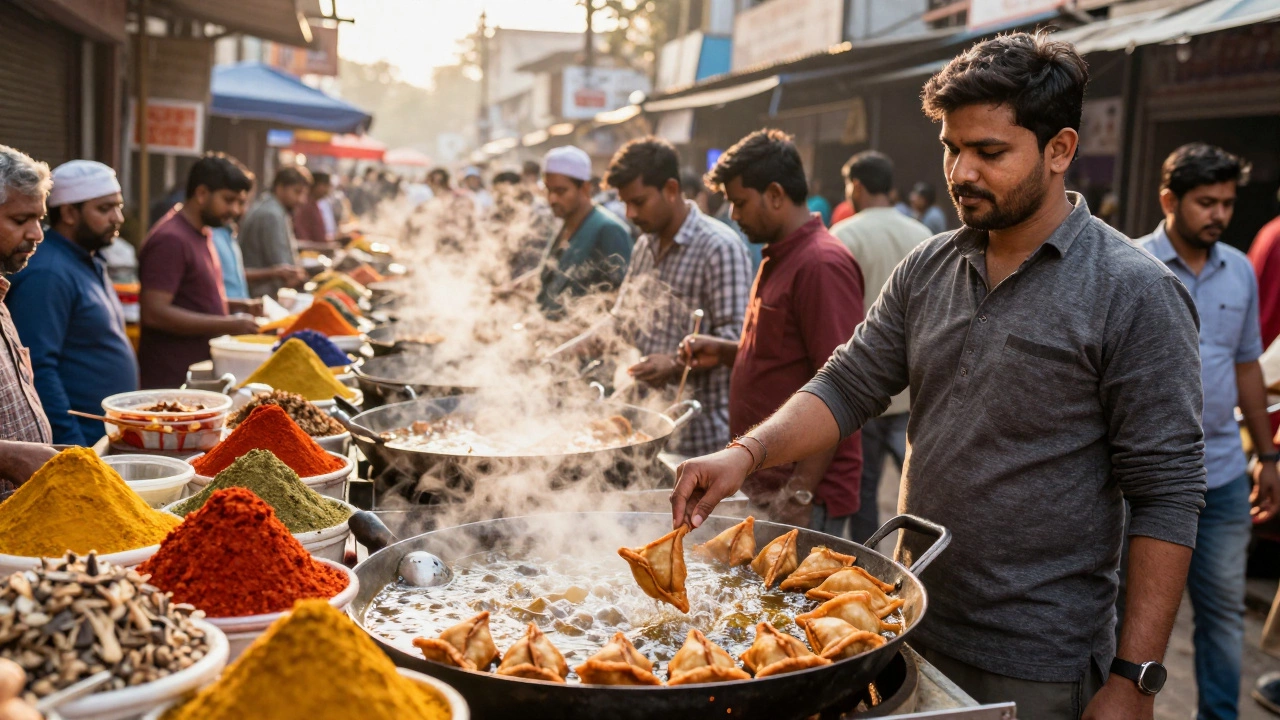
Not every bite is created equal. Some street foods are naturally safer due to their preparation method. Look for vendors who cook food to order and serve it piping hot. For example, pani puri is a popular Indian snack consisting of hollow, crispy spheres filled with spiced potatoes, chickpeas, and tangy tamarind water. While delicious, it poses risks because the water inside may be contaminated and the filling is often pre-prepared and exposed to air. Opt instead for freshly fried items like samosas or pakoras, which are cooked in hot oil and served immediately.
- Fried Foods: Items like samosa is a triangular pastry filled with spiced potatoes, peas, and sometimes meat, deep-fried until golden brown. They are widely available across India and considered safe if cooked fresh and served hot. Always check that the oil is bubbling vigorously before ordering. or pakora is a fritter made by dipping vegetables or meats in chickpea flour batter and deep-frying them. Popular in North India, they are best enjoyed right after frying to ensure freshness and safety. are great options because high heat kills most pathogens. Just make sure they’re cooked in front of you and served hot.
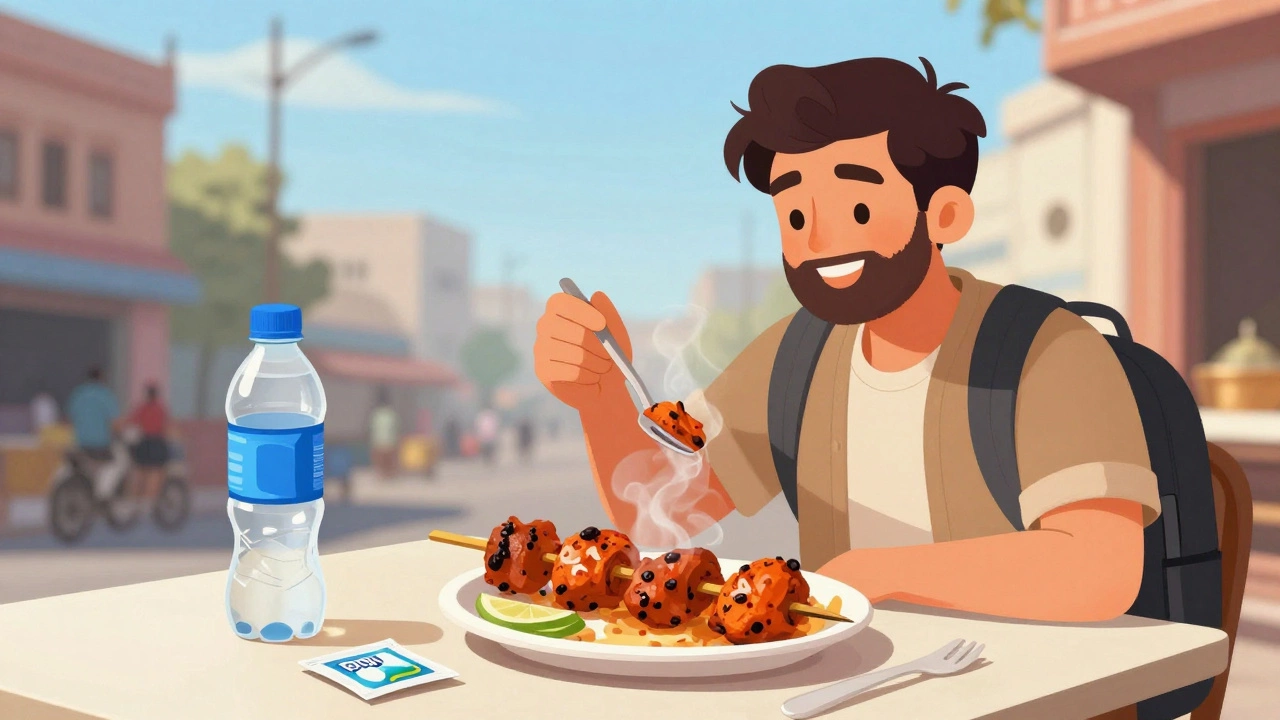
- Grilled Items: tandoori chicken is a marinated chicken dish cooked in a clay oven called a tandoor, resulting in smoky flavor and tender texture. Originating from Punjab, it’s now found nationwide and is safe due to high-temperature cooking. Similarly, kebabs grilled over charcoal are low-risk choices. or kebabs cooked on grills are also safe bets. The intense heat ensures thorough cooking, reducing the chance of contamination.
- Beverages: Stick to bottled drinks with sealed caps. Avoid anything with ice unless you’re certain it was made from purified water. Chai (tea) is generally safe since it’s boiled, but skip the milk if it hasn’t been heated thoroughly.
Avoid salads, cut fruits, and chutneys unless you prepare them yourself. Raw produce can harbor pathogens from soil or washing water. If you must try something new, ask locals or trusted guides for recommendations-they know which stalls have good reputations.
Hygiene Habits That Make a Difference
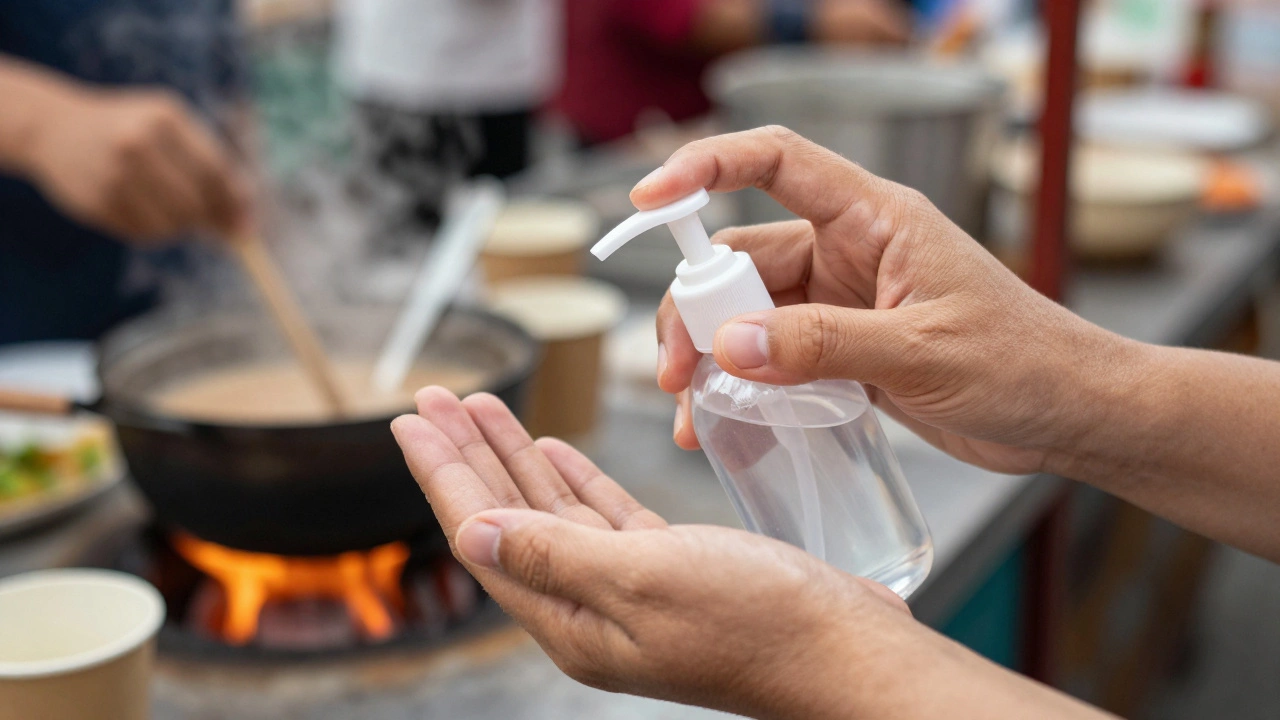
Your personal habits play a huge role in staying healthy. Wash your hands frequently, especially before eating. Carry hand sanitizer labeled as alcohol-based (at least 60% alcohol). Use it before touching food or utensils. Many vendors don’t use gloves, so relying on clean hands is crucial.
Also, observe the vendor’s setup. Are they wearing clean clothes? Do they handle money and food separately? Is there a fly swatter nearby? These small details indicate attention to hygiene. Don’t hesitate to walk away if something feels off-it’s better to lose a meal than gain an infection.
What to Pack for Peace of Mind
Being prepared helps reduce anxiety. Bring along these essentials:
- Hand Sanitizer: A small bottle fits easily in your pocket or bag.
- Oral Rehydration Salts: Useful if you do experience mild dehydration from diarrhea.
- Probiotics: Taking probiotics daily can support gut health and potentially prevent infections.
- Antidiarrheal Medication: Consult your doctor beforehand about carrying loperamide or bismuth subsalicylate for emergency use.
These items won’t stop everything, but they’ll give you confidence and tools to manage minor issues quickly.
When to Seek Medical Help
Sometimes despite your best efforts, things go wrong. Know when to act fast. Seek medical attention if you experience:
- Persistent vomiting lasting more than 24 hours
- Blood in stool
- High fever above 101°F (38.3°C)
- Signs of severe dehydration (dry mouth, dizziness, reduced urination)
In major cities like New Delhi, Mumbai, or Bangalore, hospitals equipped to treat travelers are readily available. In rural areas, carry contact info for nearby clinics. Prevention is key, but knowing your options gives peace of mind.
Final Thoughts on Enjoying Indian Street Food Safely
Eating street food in India doesn’t have to be a gamble. By focusing on freshly cooked, hot dishes, practicing good hygiene, and packing smart supplies, you can minimize risks significantly. Remember, millions of people eat street food daily without getting sick-you can too. Trust your instincts, stay alert, and embrace the adventure. After all, part of traveling is tasting the world one bite at a time.
Is tap water safe to drink in India?
No, tap water in most parts of India is not safe for drinking. Always use bottled water from reputable brands with intact seals. Even brushing teeth should ideally be done with bottled or filtered water to avoid accidental ingestion.
Can I eat raw vegetables sold by street vendors?
It’s best to avoid raw vegetables unless you peel them yourself. Pathogens may linger on surfaces even after washing, especially if non-potable water was used. Opt for cooked versions whenever possible.
Are chai and coffee safe to consume?
Chai is generally safe because it involves boiling water. However, ensure the milk has also been heated sufficiently. Coffee might pose higher risks depending on preparation methods-stick to freshly brewed cups rather than pre-made batches.
Should I take antibiotics prophylactically?
Routine antibiotic use isn’t recommended anymore due to resistance concerns. Focus on preventive measures like hand hygiene and selective food choices instead. Discuss any medications with your healthcare provider prior to travel.
How long does traveler’s diarrhea last?
Most cases resolve within 1-3 days with rest and hydration. Severe symptoms persisting beyond three days warrant professional evaluation. Early intervention prevents complications and allows quicker recovery.