How to Stay Healthy While Traveling in India: A Practical Guide
 Apr, 21 2026
India Food & Drink Safety Checker
How to use: Select an item below to check its risk level and get a professional safety recommendation based on the travel guide.
Select an Item
Safety Analysis
Click on a food or drink item to see the safety analysis.
Quick Tips for a Happy Gut
- Stick to bottled or filtered water.
- Eat food that is cooked hot and served steaming.
- Avoid raw salads and unpeeled fruits.
- Carry a personal hand sanitizer.
- Choose street food stalls with long queues of locals.
The Water Rule: Beyond the Bottle
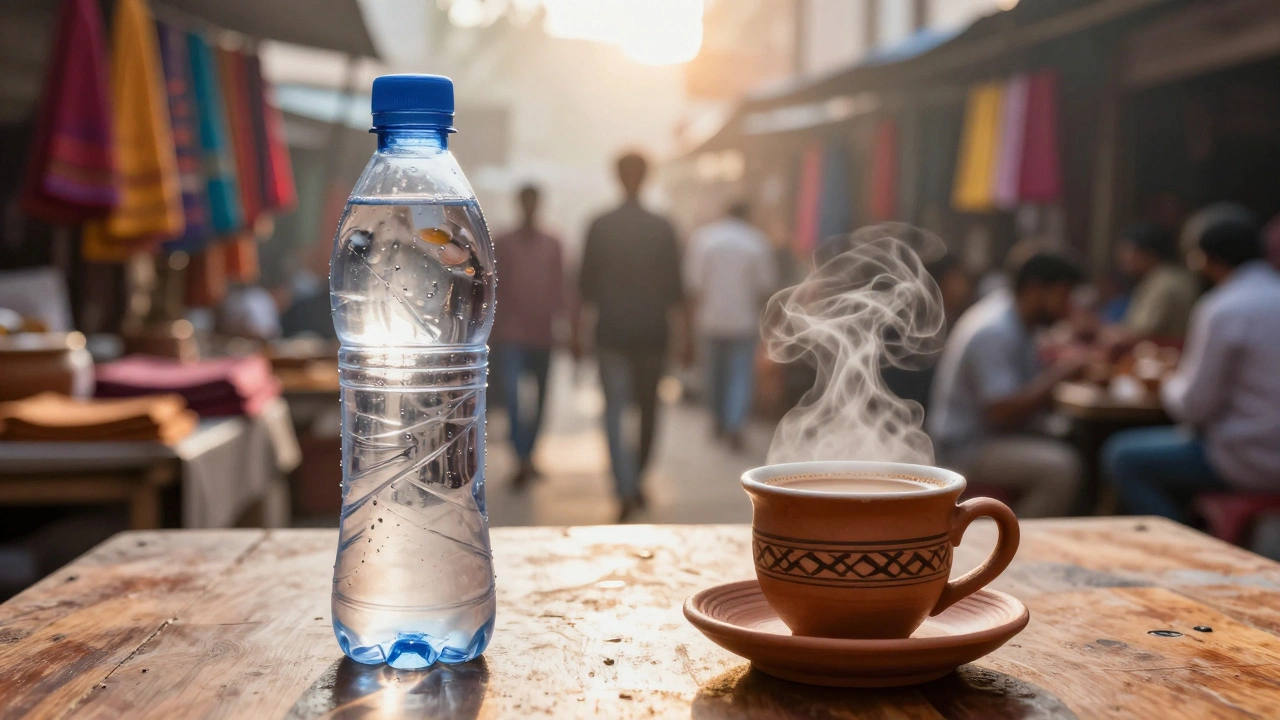
Water is the most common culprit for traveler's diarrhea. While bottled water is everywhere, you need to be careful about how it's used. Many restaurants use tap water to rinse glasses or wash vegetables. A pro tip is to pour out any water left in a glass before filling it with your bottled water.
If you're in a pinch and don't have bottled water, LifeStraw or portable UV water purifiers can be lifesavers. Also, remember that ice cubes are almost always made from tap water. In the scorching heat of an Indian summer, a cold drink is tempting, but skipping the ice is a small price to pay for avoiding a week of stomach cramps.
Navigating Street Food Safely
You can't visit India and not eat street food. From the spicy Vada Pav of Mumbai to the tangy Chaat of Delhi, the flavor is unmatched. But how do you pick a safe stall? Look for the crowd. If a vendor has a line of locals, it usually means the food is fresh and the turnover is high.
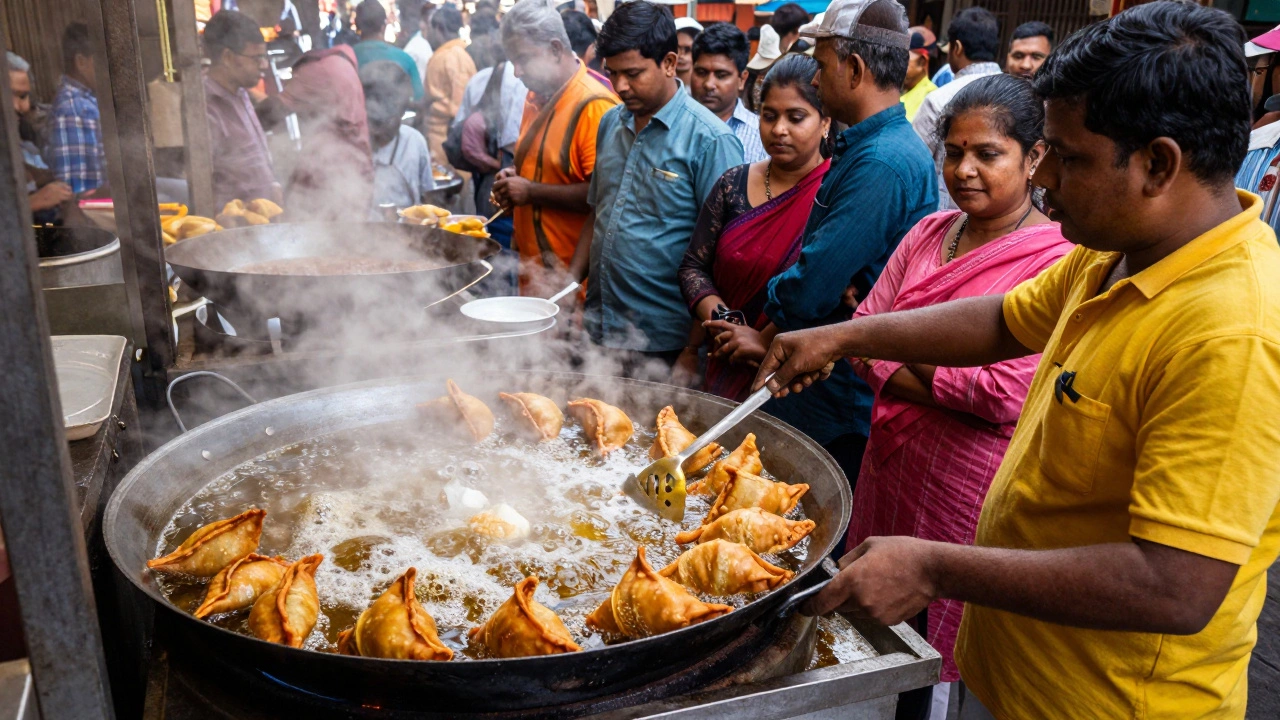
Focus on foods that are fried or boiled in front of you. A fresh Samosa is generally safe because it's deep-fried at extremely high temperatures, which kills most bacteria. On the other hand, be cautious with pre-cut fruits or chutneys that have been sitting in open bowls for hours in the sun. If a sauce looks like it's been there since breakfast and it's now dinner time, skip it.
| Food Type | Safe Bet (Low Risk) | Proceed with Caution (High Risk) |
|---|---|---|
| Drinks | Sealed bottled water, Hot Masala Chai | Ice cubes, Tap water, Fresh juices from carts |
| Snacks | Freshly fried Pakoras, Samosas | Raw salads, Pre-cut watermelon/papaya |
| Meals | Steaming hot Dal, Freshly made Rotis | Cold sandwiches, Raw sprouts |
| Dairy | Pasteurized yogurt (Curd) | Unpasteurized local milk/cheese |
The Power of Probiotics and Local Remedies
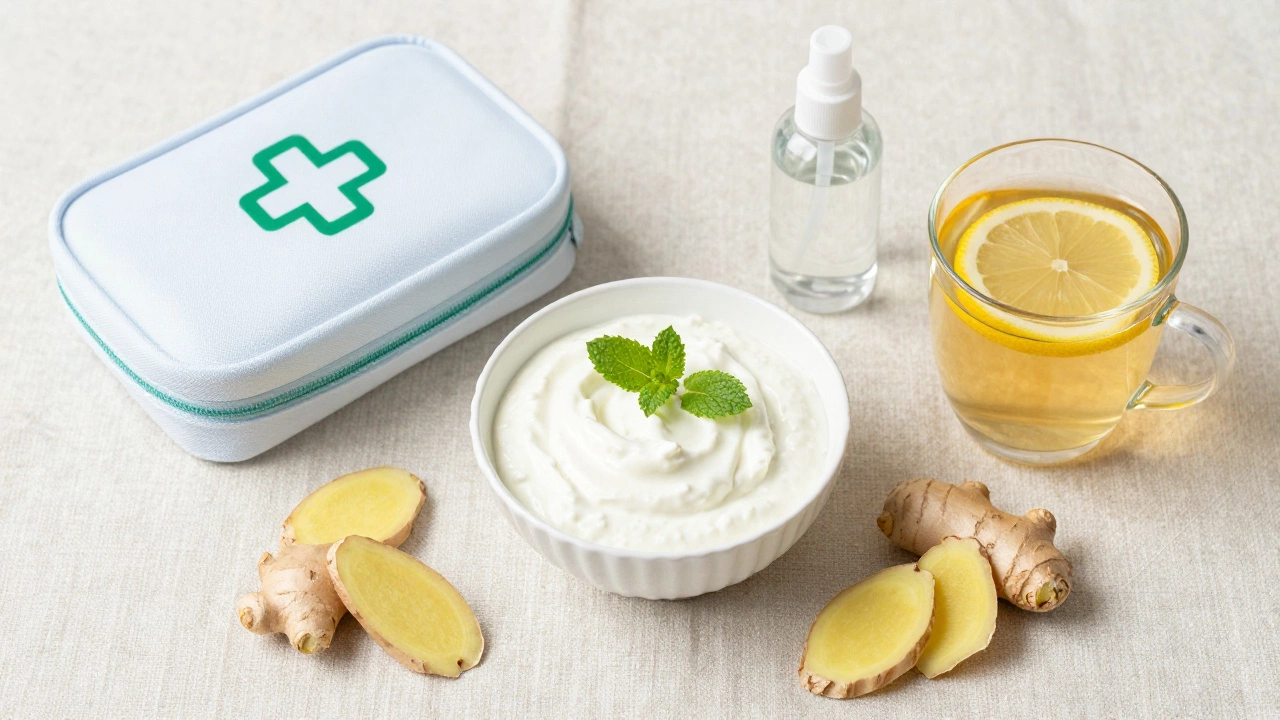
Your gut needs a bit of help adjusting to a new environment. One of the best ways to protect yourself is by eating Curd (Indian yogurt) daily. It is packed with natural probiotics that help balance your intestinal flora. Most Indian meals come with a side of raita or plain curd for a reason-it aids digestion and cools the stomach against spicy flavors.
Another secret weapon is Ginger. Whether it's in a tea or as a small piece of raw ginger, it helps reduce nausea and inflammation in the gut. If you start feeling a bit "off," a warm cup of ginger and lemon tea can often nip a problem in the bud before it becomes a full-blown illness.
Hygiene Habits That Actually Work
It sounds simple, but washing your hands is the most effective way to prevent illness. In many places, soap might not be available at every sink. This is where a high-alcohol hand sanitizer becomes your best friend. Use it before every single snack, even if you're just grabbing a quick piece of candy from a shop.
Also, be mindful of your environment. Avoid touching your face or mouth after handling local currency. Indian Rupee notes travel through thousands of hands and can carry a variety of germs. A quick scrub with sanitizer after paying for your taxi or street food is a habit that will save you a lot of misery.
Dealing with the Unexpected: When You Do Get Sick
Despite your best efforts, you might still experience some digestive upset. The first thing to do is avoid the panic. Most cases of traveler's diarrhea are self-limiting and will pass within 48 hours. The biggest danger isn't the bacteria itself, but the dehydration that follows.
Use Oral Rehydration Salts (ORS). These are available at every pharmacy (chemist) in India. They replace the essential electrolytes-sodium and potassium-that your body loses. Don't just drink plain water; if you're dehydrated, you need those salts to actually absorb the fluid.
Avoid the urge to immediately take strong antibiotics. Overusing them can kill the good bacteria in your gut, making you more susceptible to further infections. Only use antibiotics if you have a high fever or blood in your stool, and always consult a licensed medical professional first. For mild cases, stick to the BRAT diet: Bananas, Rice, Applesauce, and Toast.
Preparing Your Body Before You Fly
Health starts before you even board the plane. About two weeks before your trip, start incorporating fermented foods like kimchi, sauerkraut, or kefir into your diet. This primes your microbiome for the challenge of new bacteria.
Consult your doctor about whether you need a course of Bismuth Subsalicylate as a preventative measure. Some travelers find that taking a small dose before meals creates a protective layer in the stomach. Also, ensure your routine vaccinations-like Hepatitis A and Typhoid-are up to date, as these are specifically relevant to food and waterborne illnesses in South Asia.
Is it safe to drink Masala Chai from street vendors?
Generally, yes. Because the tea is boiled vigorously at high temperatures, most pathogens are killed. As long as the cup is clean and the tea is steaming hot, it's one of the safer street options.
Can I eat raw vegetables in Indian restaurants?
It's risky. Salads are often washed in tap water. If you want greens, opt for cooked vegetables (Sabzi) or fruits that you peel yourself, like bananas or oranges.
What is the best way to treat a sudden stomach bug?
Focus on hydration with ORS (Oral Rehydration Salts) and eat bland foods like white rice and bananas. Avoid dairy and spicy foods until your stomach has completely settled.
Should I take antibiotics as a preventative measure?
No, it's not recommended to take antibiotics "just in case." This can lead to antibiotic resistance and disrupt your natural gut flora. Only take them if prescribed by a doctor for a specific infection.
Are bottled waters in India always trustworthy?
Most major brands (like Bisleri or Kinley) are safe. Just make sure the seal is intact when you buy the bottle. If the cap looks tampered with, don't risk it.
Next Steps for Your Journey
If you're feeling confident, start by trying smaller portions of street food to see how your stomach reacts. If you have a very sensitive system, stick to reputable cafes and hotels for the first few days to let your body acclimate. Keep a small medical kit with ORS, a mild antacid, and a thermometer. Most importantly, don't let the fear of getting sick stop you from experiencing the incredible culture and hospitality of India. With a bit of common sense and a bottle of water, you'll be just fine.