Is Paneer Better Than Tofu for Weight Loss? The Real Difference Between Indian Paneer and Tofu
 Nov, 16 2025
Paneer vs. Tofu Nutrition Calculator
Compare Paneer and Tofu for Weight Loss
Enter your serving size to see the nutritional differences between paneer and tofu. Choose your goal: protein focus or calorie control.
How This Helps Your Weight Loss
Protein helps you feel full longer, reduces cravings, and preserves muscle.
Saturated fat from paneer slows digestion, preventing blood sugar spikes.
Tofu provides plant-based protein but requires larger portions for equivalent protein.
Homemade Paneer
Calories
Protein
Fat
265 kcal
18.3 g
20.8 g
Firm Tofu
Calories
Protein
Fat
76 kcal
8.1 g
4.8 g
Weight Loss Comparison
Note: The article explains that protein density and satiety matter more than just calorie count. Paneer provides more protein per serving which helps you feel full longer, while tofu is lower in calories but requires larger portions to match protein levels.
When you're trying to lose weight and sticking to a vegetarian diet, two foods keep popping up: paneer and tofu. Both are white, soft, and packed with protein. But which one actually helps you shed fat without leaving you hungry? The answer isn’t as simple as picking the lower-calorie option.
Paneer and Tofu: What You’re Really Eating
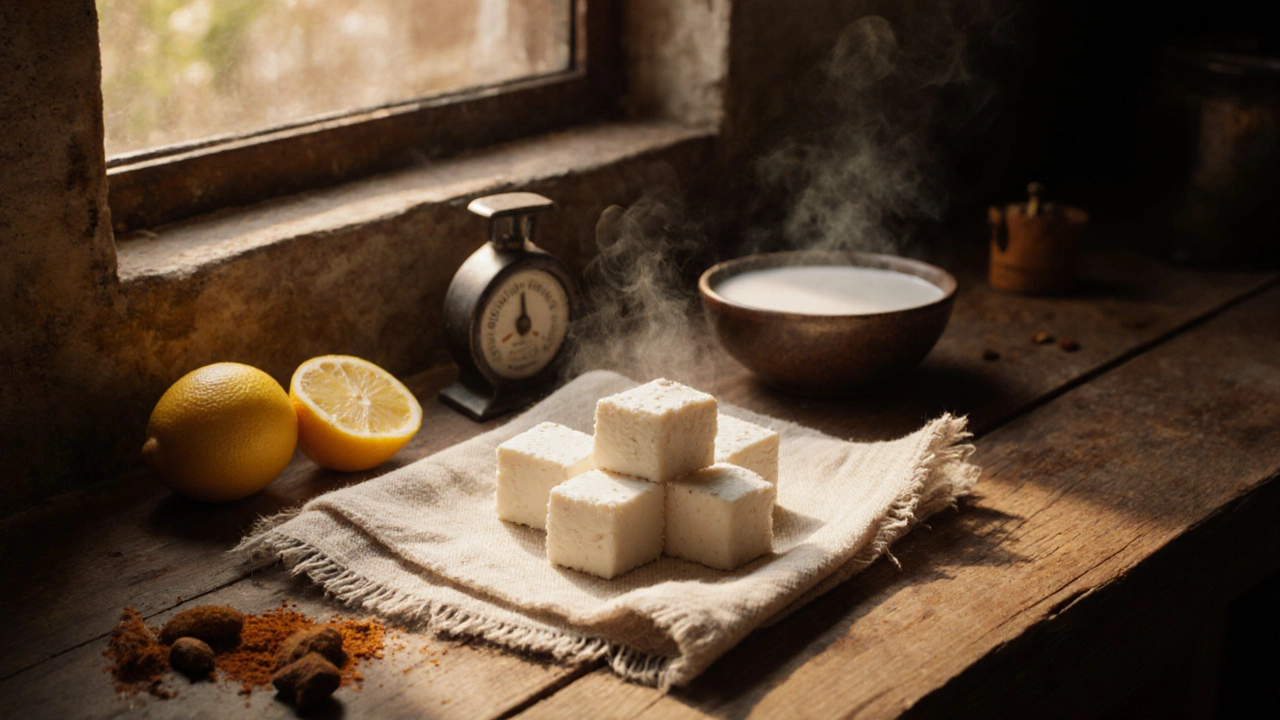
Paneer is a fresh, unaged cheese made by curdling milk with lemon juice or vinegar, then pressing out the whey. Also known as Indian cottage cheese, it’s been a staple in Indian kitchens for centuries. Homemade paneer is simple: boil milk, add acid, strain, and press. No additives. No preservatives. Just milk and patience.
Tofu is a soy-based product made by curdling fresh soy milk, pressing it into a solid block, and cooling it-similar to how cheese is made. It’s been used in East Asian diets for over 2,000 years. Tofu comes in textures: silken, soft, firm, and extra-firm. For weight loss, firm or extra-firm tofu works best because it holds shape during cooking and has less water content.
Both are plant- or dairy-based proteins. But their nutritional profiles tell a different story.
Calories, Protein, and Fat: The Numbers That Matter
Let’s compare 100 grams of each-this is the standard serving size used in nutrition science.
| Nutrient | Homemade Paneer | Firm Tofu |
|---|---|---|
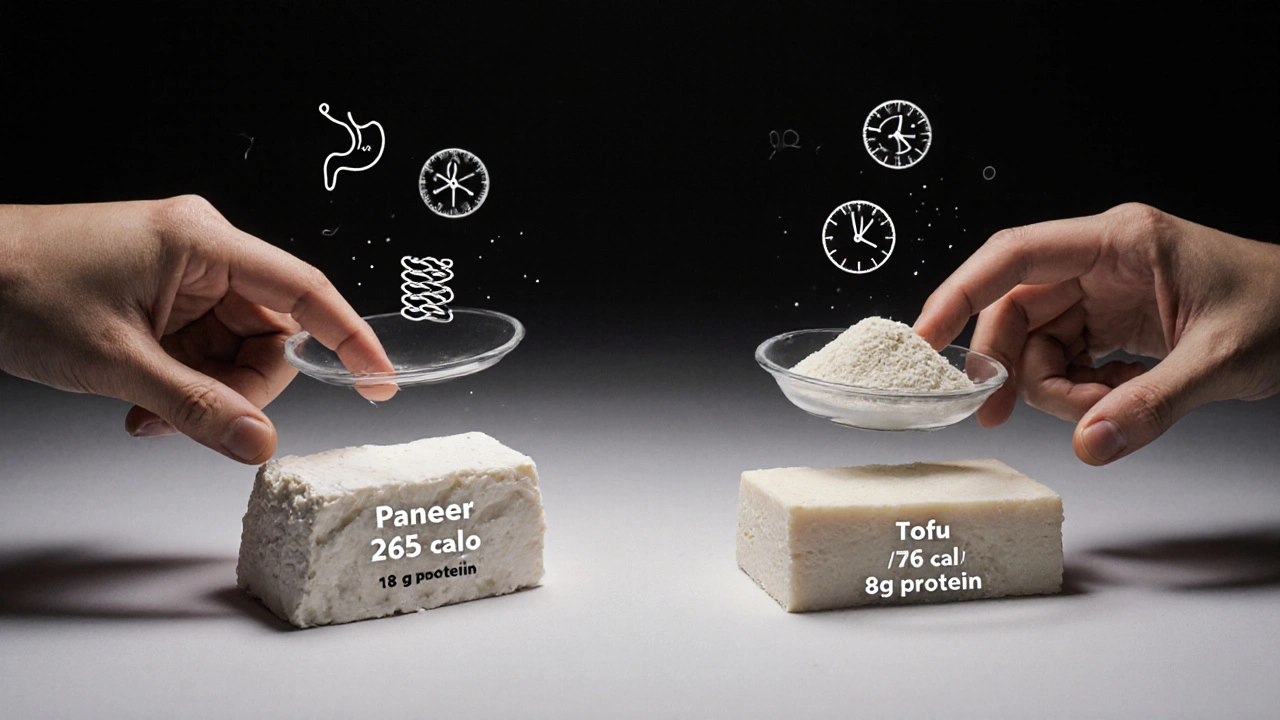
| Calories | 265 kcal | 76 kcal |
| Protein | 18.3 g | 8.1 g |
| Fat | 20.8 g | 4.8 g |
| Saturated Fat | 13 g | 0.7 g |
| Carbs | 1.2 g | 1.9 g |
| Fiber | 0 g | 0.3 g |
| Calcium | 208 mg | 350 mg |
At first glance, tofu looks like the clear winner. Less than a third of the calories. Almost half the fat. But here’s what most people miss: protein density and satiety.
Why Protein Matters More Than Calories Alone
When you’re losing weight, your goal isn’t just to eat fewer calories. It’s to stay full longer, avoid cravings, and preserve muscle. Protein does all three.
Paneer gives you over 18 grams of complete protein per 100g. That’s more than two large eggs. It contains all nine essential amino acids, including leucine-the amino acid that triggers muscle protein synthesis. This matters because when you cut calories, your body starts breaking down muscle for energy. High-protein foods like paneer help prevent that.
Tofu has less protein. Even the firmest tofu doesn’t hit 9 grams per 100g. That means you’d need to eat nearly 200 grams of tofu to match the protein in 100 grams of paneer. And that’s 150 calories just from tofu. You’re trading volume for protein.
Studies show that diets higher in protein lead to greater fat loss and better appetite control. A 2020 analysis in the Journal of Nutrition found that participants who ate 25-30% of their daily calories from protein lost 25% more body fat than those on lower-protein diets-even when total calories were the same.
Fat Isn’t the Enemy-Type of Fat Is
Paneer’s fat content looks scary: 20.8 grams per 100g. But 13 of those grams are saturated fat. Isn’t that bad for weight loss?
Not necessarily. Recent research, including a 2023 meta-analysis in the American Journal of Clinical Nutrition, found no link between moderate saturated fat intake from whole foods like dairy and increased heart disease or weight gain. In fact, full-fat dairy has been associated with lower obesity rates in multiple population studies.
Why? Because the fat in paneer slows digestion. That means your blood sugar doesn’t spike after eating it. You stay full longer. You’re less likely to snack between meals.
Tofu’s fat is mostly unsaturated-good for heart health. But it doesn’t offer the same satiety effect. You might eat a whole block of tofu and still feel hungry an hour later.
Carbs and Sugar: The Hidden Triggers
Paneer has barely any carbs-just 1.2 grams per 100g. That’s less than a slice of whole wheat bread. No sugar. No starch. That makes it ideal for low-carb or keto-style eating.
Tofu has 1.9 grams of carbs, mostly from soy. That’s still low. But many store-bought tofu products come with added flavors, sauces, or preservatives. Some even have sugar or cornstarch to improve texture. Always check the label. Homemade tofu or plain firm tofu is fine. Flavored tofu? Not so much.
Also, soy contains phytoestrogens. These plant compounds mimic estrogen in the body. While there’s no solid evidence they cause weight gain, some women report bloating or hormonal fluctuations when eating large amounts daily. If you’re sensitive, paneer might be easier on your system.
Practical Use: How You Eat It Matters More Than What It Is
Here’s the truth: neither paneer nor tofu will help you lose weight if you’re frying them in oil, smothering them in cream, or eating them with white rice and naan.
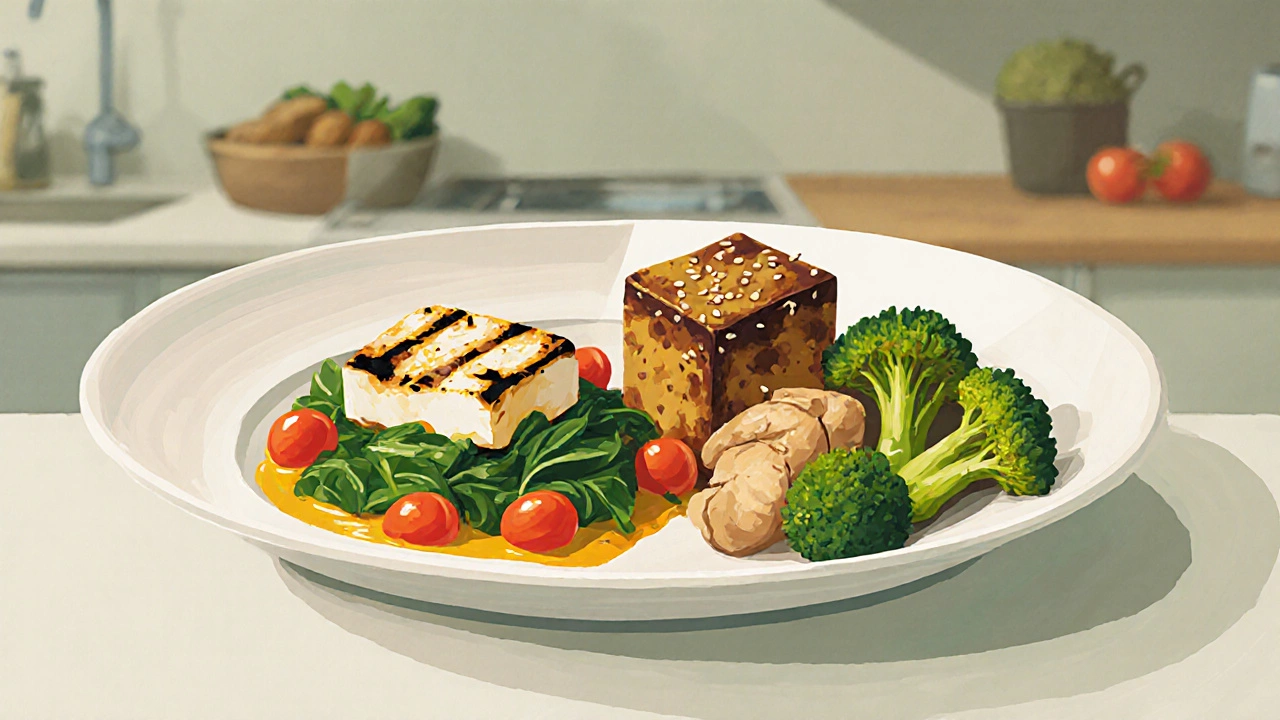
Paneer works best grilled, baked, or added to salads and stir-fries with veggies. Try this: pan-sear cubed paneer with cumin and turmeric, then toss it with spinach, cherry tomatoes, and a squeeze of lemon. That’s a meal under 300 calories with 20g protein.
Tofu shines when marinated and baked or air-fried. Crumble it into scrambles with bell peppers and onions. Or blend silken tofu into a creamy curry sauce instead of cream. Both are smart swaps.
But here’s what most people don’t realize: paneer is more satisfying. You eat less of it and feel full. Tofu? You might need more volume, more sauces, more carbs to make it feel like a meal.
Who Should Choose Paneer?
- You’re active and need to preserve muscle while losing fat
- You’re used to eating dairy and digest it well
- You get hungry between meals and need long-lasting fullness
- You prefer whole, minimally processed foods
- You’re following a low-carb or keto approach
Who Should Choose Tofu?
- You’re on a strict low-calorie plan and need volume without calories
- You have dairy intolerance or allergies
- You’re vegan or avoiding animal products
- You want more calcium without dairy
- You’re looking for a low-saturated-fat protein source
The Bottom Line: It’s Not About Which Is Better-It’s About Which Fits Your Body
Paneer isn’t "better" than tofu for weight loss. Tofu isn’t "healthier." They’re just different tools.
If you want more protein, more satiety, and fewer cravings, paneer wins. If you want fewer calories and don’t mind eating more volume, tofu works.
But here’s what most weight-loss plans miss: consistency beats perfection. If you love paneer and eat it regularly, you’ll stick with your plan. If you hate tofu but force yourself to eat it, you’ll quit.
Try this: Swap one meal a week. Have paneer curry on Monday. Tofu stir-fry on Thursday. See how your hunger, energy, and cravings change. Track it for two weeks. Your body will tell you which one works better for you.
And if you’re making homemade paneer? Use full-fat milk. Don’t skim it. You’ll get richer flavor, better texture, and more staying power. Skip the store-bought versions-they’re often watered down and full of additives.
Quick Tips for Weight Loss With Both
- Always pair protein with fiber: veggies, beans, or whole grains.
- Use spices like cumin, black pepper, and turmeric-they boost metabolism.
- Avoid frying. Bake, grill, or air-fry instead.
- Don’t rely on sauces. Make your own with yogurt, tomato, or coconut milk.
- Portion control matters. 100g of paneer is plenty for one meal.
Can I eat paneer every day while losing weight?
Yes, if you’re active and eating a balanced diet. One serving (100g) of homemade paneer daily fits into a weight-loss plan. Just watch your total fat and calorie intake for the day. Pair it with vegetables and avoid heavy cream or butter.
Is tofu a good protein source for vegetarians trying to lose weight?
Yes, but you need to eat more of it to match paneer’s protein. Two hundred grams of tofu gives you about 16g protein-close to paneer’s 18g-but at 150 calories instead of 265. It’s a good low-calorie option, especially if you’re vegan or avoiding dairy.
Does paneer cause weight gain?
Only if you eat too much of it or cook it in oil and cream. Paneer itself doesn’t cause weight gain. It’s high in protein and fat, which can help you feel full. But if you’re eating three servings a day with naan and butter, you’ll gain weight. Portion and preparation matter more than the food itself.
Which has more calcium-paneer or tofu?
Tofu usually has more calcium, especially if it’s made with calcium sulfate (a common coagulant). A 100g serving of firm tofu can have up to 350mg of calcium, while paneer has around 200mg. But if you’re eating dairy regularly, paneer still contributes significantly to your daily needs.
Can I substitute tofu for paneer in Indian recipes?
You can, but it won’t taste or behave the same. Paneer holds its shape and absorbs spices well. Tofu is softer and can fall apart. For dishes like palak paneer or paneer tikka, use extra-firm tofu and press it well to remove water. Marinate it longer-it needs more flavor. It won’t be identical, but it can work in a pinch.
What to Try Next
If you’re still unsure, start with a simple experiment: make homemade paneer this weekend. Use full-fat milk, press it lightly, and eat it plain with a sprinkle of black salt. Notice how full you feel after one hour. Then, try a 100g serving of plain firm tofu the next day. Compare your hunger levels, energy, and cravings. Your body knows what it needs. You just have to listen.