Red vs White Onions in Curry: Which One Should You Use?
 Jul, 17 2026
Curry Onion Selector Tool
Red Onions
Sweet, melts into gravy, darkens color.
Best for North Indian CurriesWhite Onions
Crisp, holds shape, keeps color bright.
Best for South Indian & Stir-friesClick on an onion type above to see which curries it suits best, how it affects the dish, and expert tips.
Result Title
Flavor & Texture Profile
- 🍯 Sweetness info
- 🥣 Texture info
- 🎨 Color impact info
Ideal Recipe Matches
Pro Tip
Tip goes here.
It’s a common kitchen dilemma. You’re making your favorite chicken curry, the spices are toasted, and you reach for the onions. But which one do you grab? The deep purple-red ones or the crisp white ones? If you’ve ever wondered whether swapping them changes the dish, you’re not alone. In Mumbai, where I cook every day, this is a debate that happens at almost every dinner table.
The short answer is: it depends on the type of curry you are making. Both red and white onions work, but they bring different flavors, textures, and colors to the pot. Using the wrong one won’t ruin your meal, but using the right one will elevate it from good to great. Let’s break down exactly how each onion behaves in heat so you can make the best choice for your next batch of curry.
Understanding the Flavor Profiles
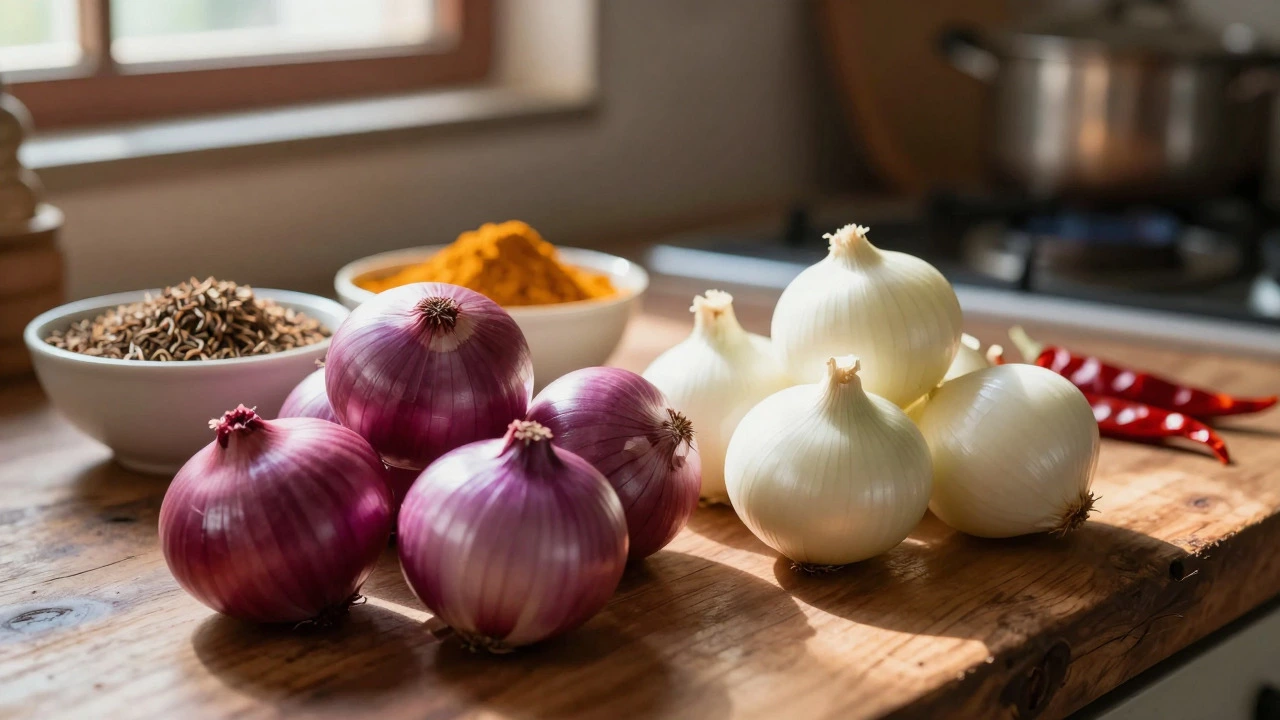
To choose between red onions and white onions, you first need to understand what they taste like when raw versus cooked. Raw red onions are sharp, pungent, and slightly sweet. They have a high sulfur content, which gives them that bite. White onions, on the other hand, are milder and crisper with a cleaner, less aggressive flavor.
When you apply heat, these profiles shift dramatically. Red onions caramelize faster because of their higher natural sugar content. This means they turn soft and sweet quicker than white onions. White onions take longer to break down but develop a deeper, more savory umami richness as they cook. For a chicken curry recipe that relies on a thick, rich gravy, this difference matters.
- Red Onions: Higher sugar, sweeter when caramelized, turns brown/purple in gravy.
- White Onions: Lower sugar, sharper initial bite, becomes mild and savory, keeps gravy lighter in color.
The Case for Red Onions in Curry
In many parts of India, especially in North Indian cuisine, red onions are the standard. Why? Because most traditional curries, like butter chicken or korma, rely on a base of caramelized onions (often called birista or fried onions). Red onions provide that essential sweetness that balances out the acidity of tomatoes and the heat of chilies.
If you are making a creamy, tomato-based curry, red onions are usually the better choice. Their sugars melt into the sauce, creating a glossy, rich texture. However, there is a visual trade-off. Red onions contain anthocyanins, pigments that give them their color. When cooked in acidic environments (like those with tomatoes), these pigments can turn the gravy a muddy brown or even a slight grey-purple hue. If you want a bright orange or golden curry, red onions might darken it too much.
Also, consider the texture. Red onions break down completely if you simmer them long enough. This makes them ideal for thick, spoonable gravies where you don’t want distinct chunks of onion floating around.
The Case for White Onions in Curry
White onions are the secret weapon for South Indian curries and stir-fries. In dishes like Kerala-style fish curry or Andhra chicken fry, white onions are preferred. They hold their shape better during cooking. If you like seeing visible pieces of onion in your curry rather than having it dissolve into the sauce, go with white.
White onions also keep the color of the curry brighter. Since they lack the strong purple pigments, your turmeric and chili powder will shine through without being muted by brown tones. This is crucial for visually appealing dishes where color indicates freshness and spice balance.
Furthermore, white onions have a lower water content compared to some red varieties. This means they release less liquid into the pan initially, allowing for better browning before they start sweating. For a dry curry or a fry, this control over moisture is key.
| Feature | Red Onion | White Onion |
|---|---|---|
| Sweetness | High (caramelizes fast) | Low (savory finish) |
| Texture after cooking | Soft, melts into gravy | Firm, holds shape |
| Color impact | Darkens gravy (brown/grey) | Keeps gravy bright (yellow/orange) |
| Best for | Creamy, tomato-based curries | Stir-fries, dry curries, South Indian styles |
| Raw usage | Salads, sandwiches (mild if soaked) | Salsas, pickles, garnishes |
How to Choose Based on Your Recipe Type
Not all curries are created equal. The style of the dish dictates the onion choice more than personal preference does. Here is a quick guide to help you decide based on the specific curry you are preparing.
1. North Indian Gravy Curries (Butter Chicken, Korma, Rogan Josh)
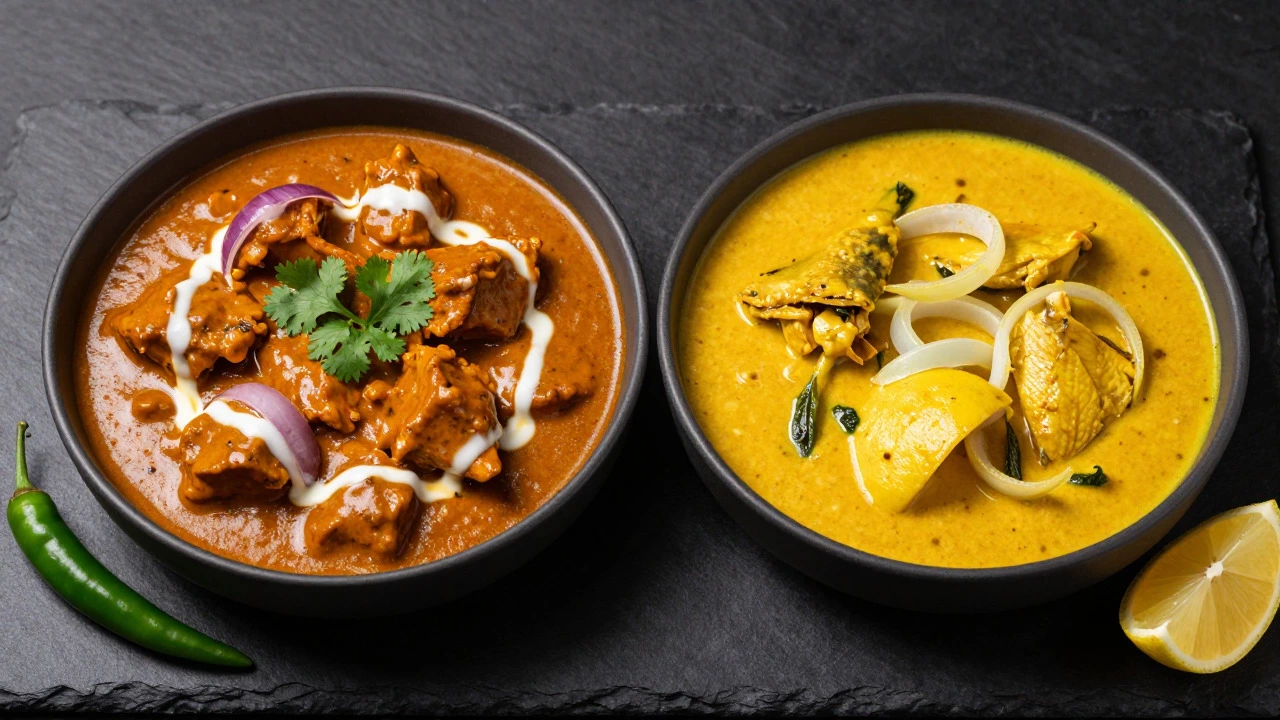
Use red onions. These dishes depend on a smooth, rich paste made from fried onions, ginger, garlic, and tomatoes. The sweetness of the red onion cuts through the heavy cream or yogurt often used in these recipes. If you use white onions here, the gravy might taste slightly flat or overly sharp.
2. South Indian Curries (Sambar, Fish Curry, Chettinad Chicken)
Use white onions. These cuisines value texture and distinct flavors. White onions add a pleasant crunch and a clean onion flavor that doesn’t overpower the complex spice blends like fenugreek or curry leaves. They also keep the coconut milk or tamarind bases looking vibrant.
3. Dry Curries and Fries (Chicken Fry, Paneer Tikka Masala dry version)
You can use either, but white onions are often preferred for their ability to stay intact. If you want crispy edges on your onions, white onions perform better because they don’t get mushy as quickly as red ones.
4. Quick Weeknight Stir-Fry Curries
If you are tossing chicken and veggies in a wok for 10 minutes, red onions are convenient. They soften rapidly, ensuring you don’t end up with crunchy raw onion bits in a dish that should be tender.
Cooking Tips for Better Onion Base
Regardless of which onion you pick, how you treat it matters. Many people rush the onion step, leading to bland curries. Here is how to get the most out of your onions.
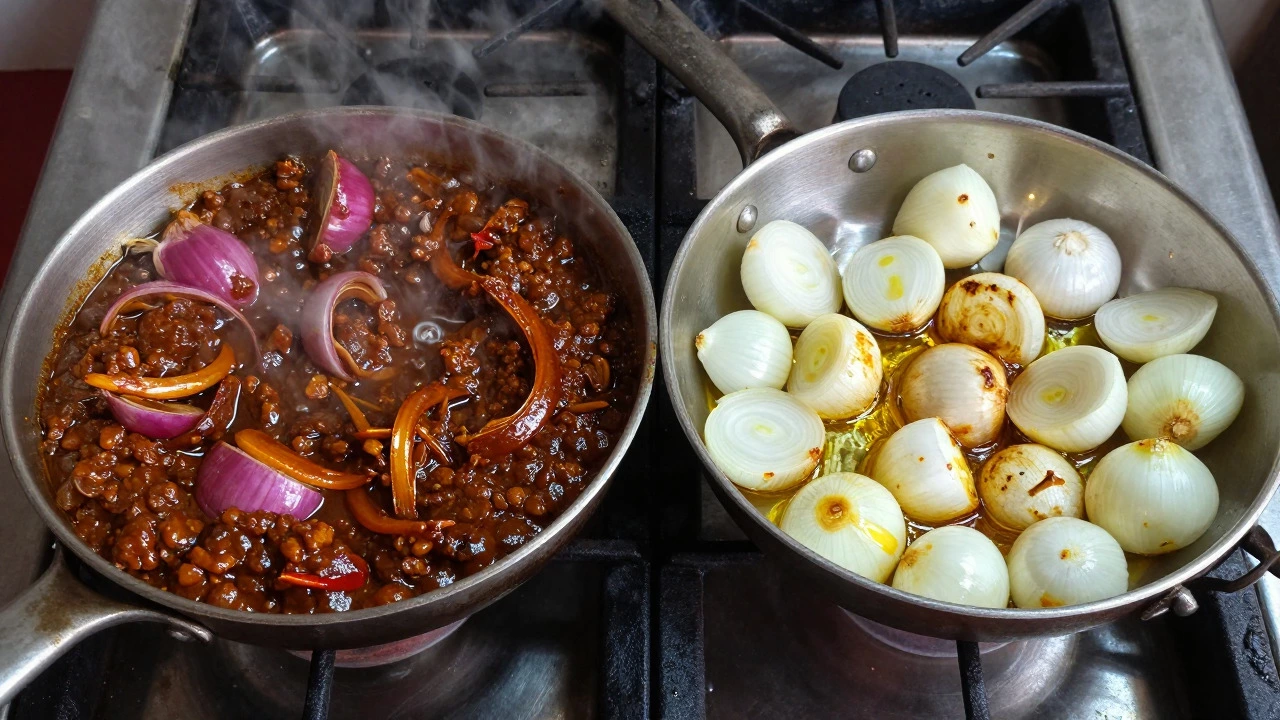
- Fry until golden, not just translucent. Translucent onions are still raw. For a curry base, you need to fry them until they are golden brown. This releases the sugars and removes the harsh sulfurous smell. This process can take 15-20 minutes on medium-low heat. Do not skip this.
- Soak red onions if using raw. If you are adding chopped red onions as a garnish at the end, soak them in ice water for 10 minutes. This reduces the pungency and keeps them crisp.
- Don’t overcrowd the pan. Onions release water. If you put too many in at once, they steam instead of fry. Cook in batches if necessary to ensure proper browning.
- Add salt early. Adding a pinch of salt while frying helps draw out moisture, speeding up the caramelization process.
Common Mistakes to Avoid
I see these errors often in home kitchens. Avoiding them will instantly improve your curry game.
- Mixing types unnecessarily. Unless a recipe specifically calls for a mix (rare), stick to one type. Mixing them can lead to uneven cooking times and inconsistent flavors.
- Burning the onions. Burnt onions taste bitter and will ruin the entire pot. Keep an eye on the heat. If they turn black, discard them and start over. Brown is good; black is bad.
- Ignoring freshness. Old onions lose their moisture and become papery. Fresh onions should feel firm and heavy for their size. Soft spots indicate rot inside.
Final Verdict: What Should You Buy?
If you only buy one type of onion, make it red onions. They are more versatile for the majority of Indian curries, especially the popular gravy-based dishes. They are widely available in Mumbai and most global markets. However, keep a few white onions on hand for salads, salsas, and those specific South Indian recipes where texture and color brightness are paramount.
Ultimately, the best onion is the one that matches your desired outcome. Want a sweet, thick, dark gravy? Go red. Want a bright, textured, savory dish? Go white. Experiment with both in your next chicken curry recipe to see which profile your palate prefers.
Can I substitute yellow onions for red or white in curry?
Yes, yellow onions are a great middle ground. They are similar to white onions but have a bit more sugar, making them easier to caramelize than white but less sweet than red. They work well in almost any curry if you can't find red or white ones.
Do red onions turn curry purple?
They can, especially if the curry is acidic (due to tomatoes or lemon juice). The anthocyanin pigment in red onions reacts with acid to create blue or purple hues. To avoid this, fry the red onions thoroughly until they are brown before adding other ingredients. This breaks down the pigment and results in a darker brown gravy instead of purple.
Which onion is healthier for curries?
Red onions are generally considered healthier because they contain higher levels of antioxidants, particularly quercetin and anthocyanins. While white onions are also nutritious, the extra antioxidant boost in red onions makes them a slightly better choice for health-conscious cooks.
Why do some restaurants use white onions in North Indian curries?
Some restaurants prefer white onions for cost reasons or because they want a lighter-colored gravy that looks more appetizing to certain customers. Additionally, white onions have a sharper flavor that can stand up to very spicy masalas without getting lost in the sweetness.
Can I use onion powder instead of fresh onions in curry?
You can, but it’s not recommended for authentic flavor. Onion powder lacks the moisture and texture of fresh onions. It works in a pinch for seasoning, but it won’t create the thick, rich base that fried fresh onions provide. Always use fresh onions for the best results.