30/30/30 Rule: What It Is and How It Applies to Indian Cooking
When people talk about the 30/30/30 rule, a simple timing framework used in cooking to balance preparation, cooking, and resting time. It’s often linked to fitness, but in Indian kitchens, it’s a quiet secret behind perfect dals, fluffy dosas, and tender paneer. Think of it like this: 30 minutes to prep, 30 minutes to cook, 30 minutes to rest or let flavors settle. It’s not magic—it’s rhythm. And if you’ve ever wondered why your paneer turns crumbly or your dal tastes flat, this rule might be the missing piece.
The 30/30/30 rule, a simple timing framework used in cooking to balance preparation, cooking, and resting time. It’s often linked to fitness, but in Indian kitchens, it’s a quiet secret behind perfect dals, fluffy dosas, and tender paneer. isn’t just about timing—it’s about respecting the science of food. Take urad dal, a key ingredient in dosa and idli batter, known for its high protein content and fermentation properties. You soak it for 6–8 hours, but if you rush the grind or skip the rest, your batter won’t rise. The 30/30/30 rule helps you break that long process into digestible chunks: 30 minutes to soak before grinding, 30 minutes to grind and mix, 30 minutes to let the batter start fermenting before leaving it overnight. Same goes for moong dal, a quick-cooking lentil that doesn’t need soaking and is ideal for busy days. You chop, sauté, and simmer—all within 90 minutes. No guesswork. No overcooking.
You’ll find this rhythm in paneer too. You heat the milk for 30 minutes, add lemon juice, let it sit for 30 minutes to curdle, then drain and press for another 30 minutes. Skip any step, and you get weak, watery paneer. Even garlic and ginger—add them too early and they burn; too late and they’re raw. The 30/30/30 rule isn’t a rigid timer. It’s a mental model that teaches you to pause, observe, and trust the process. In Indian cooking, where spices bloom, proteins tenderize, and grains swell, timing isn’t optional—it’s the flavor’s best friend.
Below, you’ll find real recipes that live by this rhythm. From the fastest dals that skip soaking to the perfect dosa batter timing, each post shows how the 30/30/30 rule quietly shapes everyday meals. No fluff. Just what works in a real Indian kitchen.
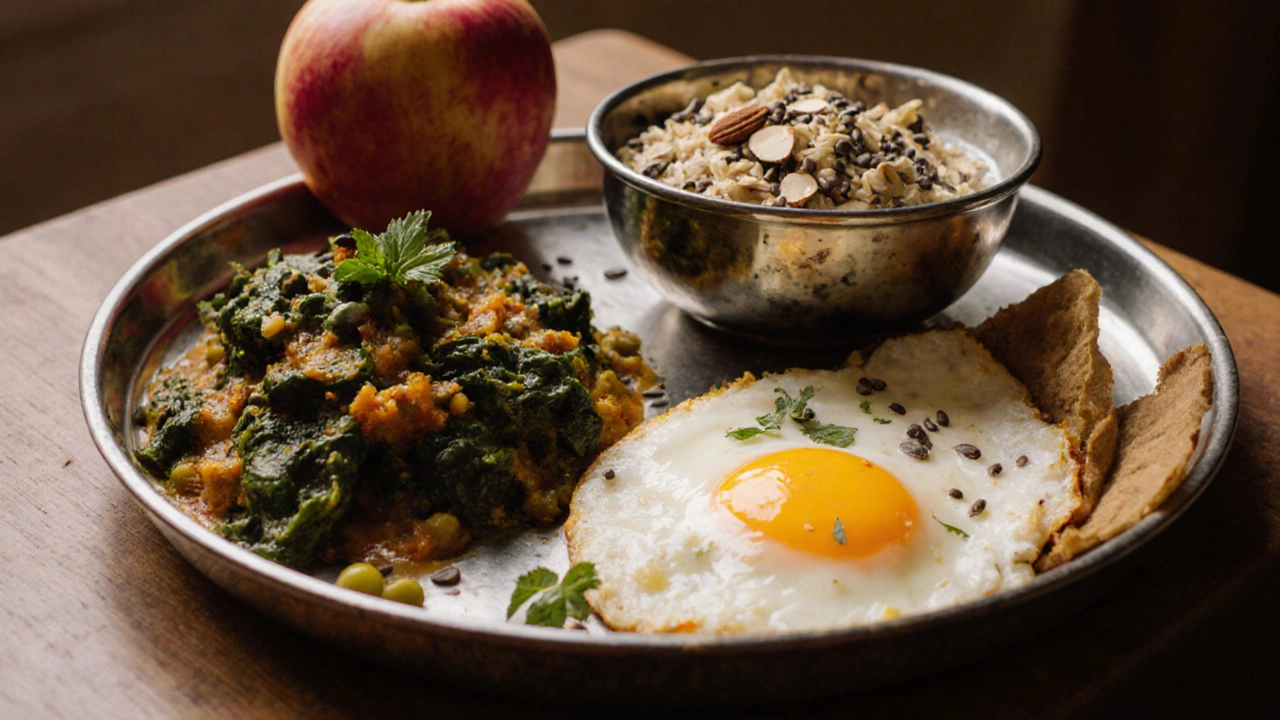
What Is the 30/30/30 Rule for Weight Loss and How to Use It With Indian Snacks
The 30/30/30 rule for weight loss means eating 30g each of protein, fiber, and healthy fats at breakfast. This simple Indian-friendly approach controls hunger, stabilizes blood sugar, and helps you lose weight without dieting.