Biryani Order India: Where to Get the Best Biryani and What Makes It Special
When you think of biryani, a spiced rice dish layered with meat, vegetables, and aromatic herbs, deeply rooted in South Asian culinary tradition. Also known as biriani, it’s the dish that turns family gatherings into celebrations and late-night cravings into full-blown feasts. In India, biryani isn’t just food—it’s history on a plate. Every region has its own version: Hyderabadi biryani with its slow-cooked meat and saffron rice, Kolkata biryani with boiled eggs and potatoes, or Lucknowi biryani that’s subtle and fragrant. And yes, you can order biryani across India—from street stalls in Delhi to upscale restaurants in Mumbai—but not all of them are worth your time.
What makes a good biryani? It’s not just the spices. It’s the basmati rice, long-grain, aromatic rice that stays separate and fluffy when cooked. Also known as Indian long-grain rice, it’s the backbone of any real biryani. Then there’s the meat, usually chicken, goat, or lamb, marinated for hours and cooked slowly to lock in flavor. Also known as curry meat, it’s what gives biryani its depth. And don’t forget the layering—the rice, the meat, the fried onions, the saffron milk, the whole thing stacked and sealed with dough before steaming. That’s the magic. Skip the pre-cooked rice or pre-made spice mixes. Real biryani takes time, and people who order it in India know that.
Why do Muslims eat biryani? Because it’s tied to Eid, weddings, and funerals. It’s the dish that brings people together when words aren’t enough. It’s also why you’ll find the best biryani in places like Hyderabad, Lucknow, and Bhopal—not because they’re big cities, but because the tradition never faded there. If you’re ordering biryani, ask if it’s dum-cooked. That means it’s steamed in a sealed pot, not just mixed in a pan. That’s the difference between good and unforgettable.
There’s no single "best" biryani in India. But if you’re looking for one that’s authentic, rich, and made with care, start with the ones that come from families who’ve been making it for generations. The ones that smell like cardamom and cloves the moment you open the lid. The ones that make you pause mid-bite because it just tastes… right.
Below, you’ll find real stories, tips, and recipes that explain why biryani matters—not just as a meal, but as a cultural anchor. Whether you want to order it, make it, or just understand why people fight over which version is better, these posts have you covered.
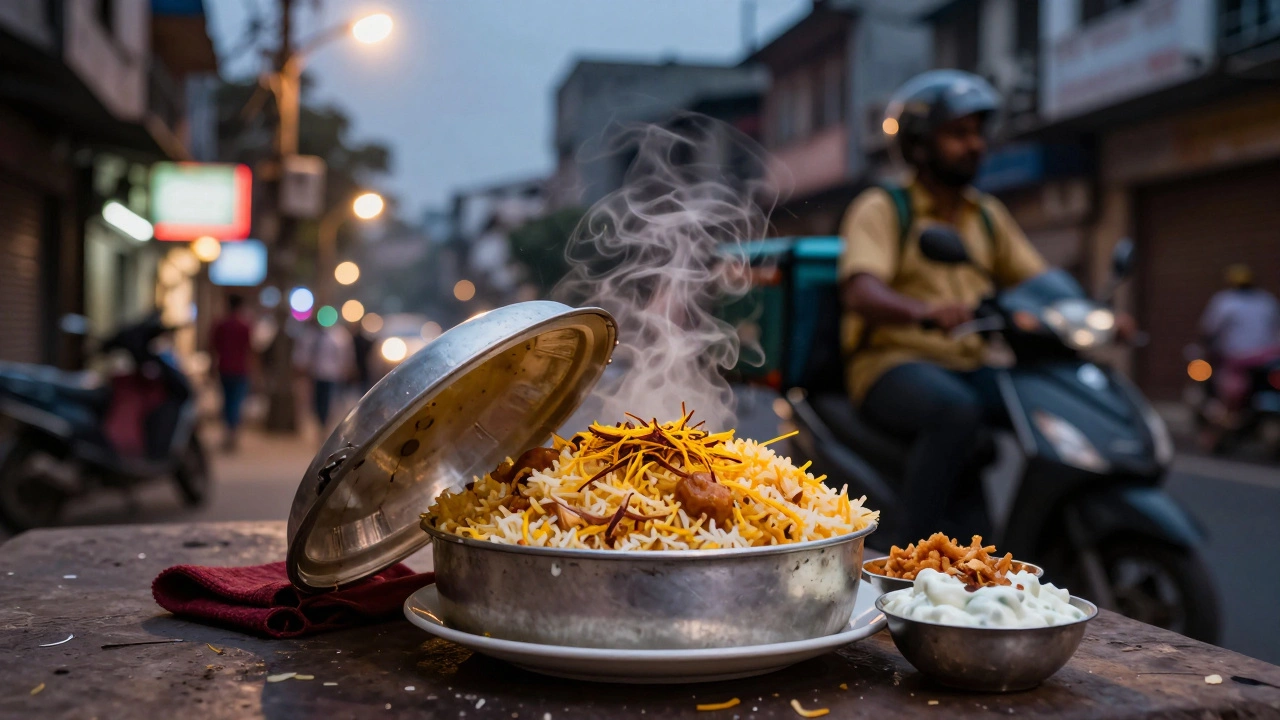
What Is India's Most Ordered Food? The Real Story Behind the Nation's Favorite Dish
Biryani is India's most ordered food, dominating food delivery apps nationwide. Discover why this flavorful rice dish beats butter chicken, dosa, and chole bhature in popularity, affordability, and cultural impact.