Cheeni Definition: Understanding Sugar in Indian Cooking
When talking about cheeni, the Hindi word for sugar, a simple carbohydrate mainly sourced from sugarcane or beet. Also known as sugar, it provides sweetness, helps with preservation, and balances flavors across a huge range of Indian dishes.
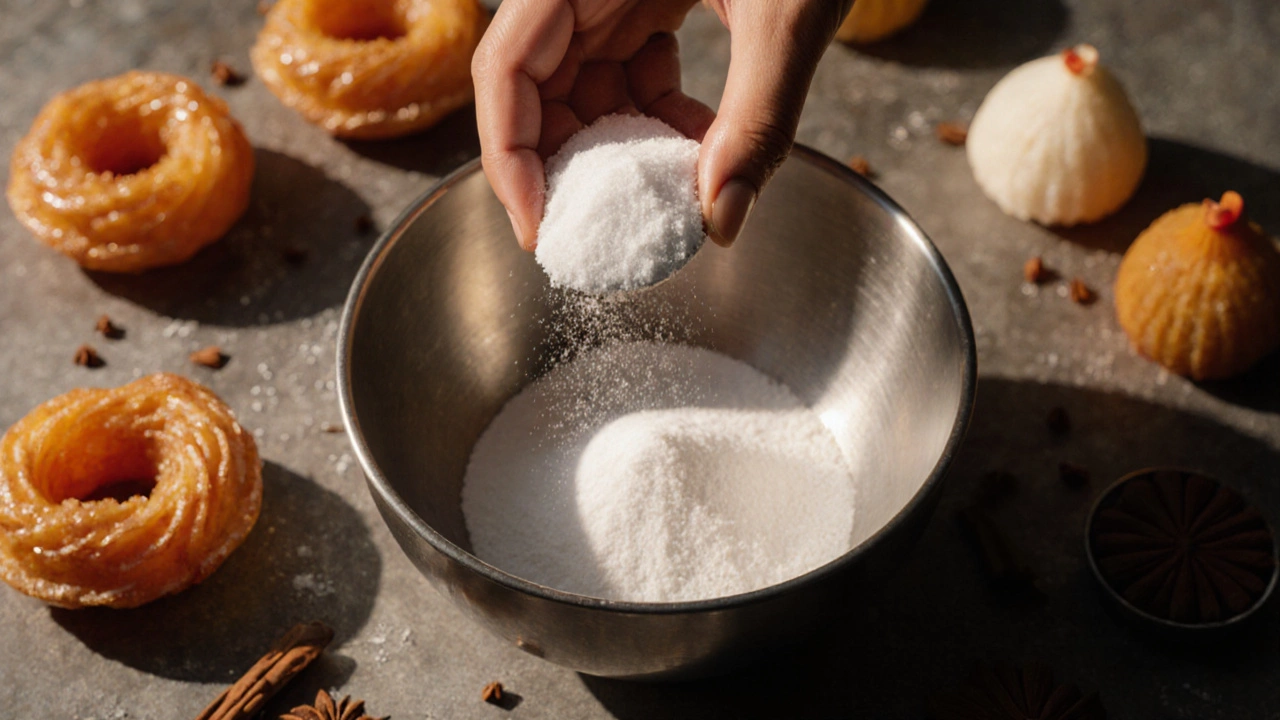
India’s culinary landscape is built on a handful of sweet staples, and Indian desserts, the sugary treats that appear at festivals, celebrations, and everyday meals are the most visible examples. From the syrup‑laden gulab jamun to the crispy jalebi, cheeni isn’t just an add‑on; it defines texture, color, and the characteristic melt‑in‑your‑mouth feel that makes these sweets unforgettable. The type of cheeni – raw, white, or jaggery – will change how quickly a dessert caramelizes and how deep its flavor runs.
The cheeni definition matters for health too. In nutritional terms, cheeni is a high‑glycemic‑index (GI) carbohydrate, meaning it raises blood sugar quickly after a meal. Glycemic index, a measure of how fast foods spike glucose levels, is often used by dietitians to guide portion sizes and frequency of sweet intake. Studies from Indian health institutes show that regular high‑GI foods can increase risks of type‑2 diabetes, especially when combined with sedentary lifestyles. Knowing where cheeni sits on the GI scale helps cooks decide whether to pair it with protein‑rich lentils or fiber‑dense whole grains to blunt the spike.
Beyond the lab, everyday Indians think about cheeni in terms of consumption patterns. Sugar consumption, the total amount of cheeni eaten per person annually in India, has risen sharply over the last decade, driven by urbanization and the availability of processed snacks. This trend has sparked public‑health campaigns encouraging people to trim added cheeni from tea, coffee, and street foods. The conversation isn’t just about cutting out sweetness; it’s about choosing natural alternatives like coconut sugar or palm jaggery that carry trace minerals while still delivering the familiar sweet profile.
When you understand the cheeni definition, you also understand its role in cooking techniques. Cheeni is essential for the tempering of spices, for creating the glossy sheen on biryani rice, and for stabilizing the foam in batters like dosa. The science behind it is simple: sugar lowers the freezing point of water, helps caramelize proteins, and can act as a mild preservative by reducing moisture activity. Whether you’re making a quick masala chai or a labor‑intensive kheer, balancing the right amount of cheeni with acids like lemon or tamarind can keep flavors bright and prevent bitterness.
Below you’ll find a curated list of articles that dive deeper into each of these angles – from the cultural reasons behind sugar restrictions in certain Indian regions to practical tips on measuring cheeni for perfect roti puff, and even the healthiest ways to incorporate sweeteners into everyday meals. This collection gives you the context you need to use cheeni wisely, whether you’re a home cook, a health‑conscious eater, or just curious about the sweet side of Indian cuisine.
What’s the Indian Word for Sugar? Hindi, Regional Terms & Sweet Recipes
Discover the Indian word for sugar, its regional variations like shakkar and cheeni, and how these terms shape classic sweet recipes.