Coffee Safety India: What Every Home Cook Should Know
When thinking about coffee safety India, the practice of handling, storing, and preparing coffee to avoid health risks in the Indian context, it's easy to overlook the details that keep your cup safe. Also known as coffee health guidelines, it intersects with coffee, the brewed beverage made from roasted beans and food safety, the set of practices that prevent contamination and spoilage. Understanding caffeine, the natural stimulant in coffee that affects heart rate and sleep levels is also part of staying safe. coffee safety India matters for every household that enjoys a daily brew.
Key Aspects of Safe Coffee Handling
First, proper storage protects beans from moisture, insects, and rancidity. Beans kept in airtight containers at room temperature stay fresh up to three months, while ground coffee loses flavor faster. Next, water quality influences both taste and safety; using filtered water reduces the risk of heavy metals that sometimes appear in tap supplies across Indian cities. Finally, brewing temperature matters: water between 90‑96°C extracts flavor without over‑extracting bitter compounds, which can irritate the stomach.
These practices are linked by a simple rule: good coffee starts with good hygiene. The central idea is that coffee safety encompasses proper storage, clean water, and accurate brewing temperature. When any of these elements slip, the risk of off‑flavors, microbial growth, or excessive caffeine intake rises.
Regulatory guidance adds another layer. The Food Safety and Standards Authority of India (FSSAI) sets limits for aflatoxin levels in coffee beans, ensuring they stay below 10 µg/kg. Indian coffee regulations, government standards that govern quality, labeling, and safety of coffee products require manufacturers to test batches regularly. For home brewers, this means buying certified brands and checking package dates.
Health considerations go beyond microbes. Caffeine sensitivity varies widely; most adults can safely consume up to 400 mg per day, roughly four 8‑oz cups. Pregnant individuals are advised to limit intake to 200 mg. caffeine guidelines, recommended daily limits based on age, health status, and pregnancy help you tailor your coffee habit. If you notice jitteriness, headaches, or sleep trouble, scaling back or switching to decaf is a practical step.
Beyond the cup, coffee equipment hygiene matters. Filters, carafes, and grinders can harbor oil residues that turn rancid and foster bacteria. Rinsing the pot after each brew and deep‑cleaning the grinder weekly with a mild vinegar solution keeps the system safe. This routine ties back to the broader theme that coffee safety is a continuous process, not a one‑time check.
Understanding these connections—storage, water, temperature, regulations, caffeine limits, and equipment care—gives you a complete picture of safe coffee enjoyment in India. Below you’ll find articles that dive deeper into related food‑safety topics, ingredient storage tricks, and nutrition facts, all aimed at helping you brew with confidence.
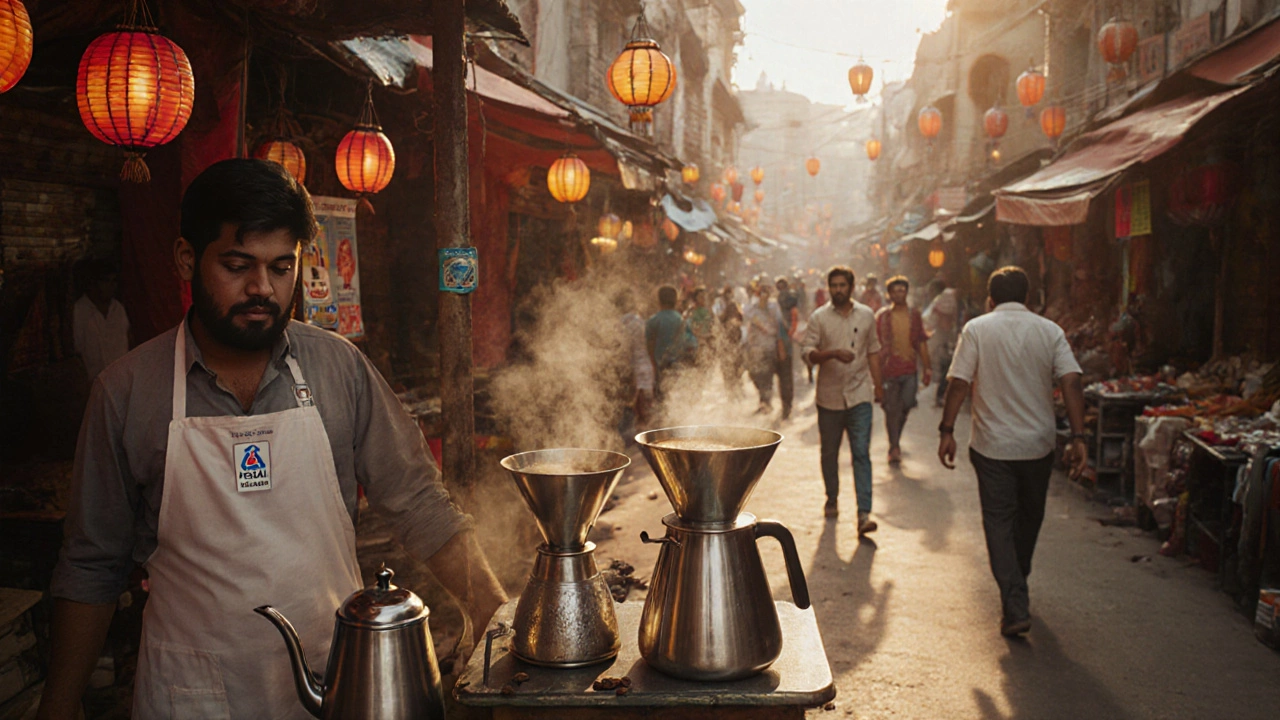
Coffee in India: Legal Status, Health Effects, and Street‑Food Guide
Learn if coffee is legal in India, its health benefits, street‑coffee varieties, and tips for safe consumption while exploring Indian street food.