Coffee in India: Legal Status, Health Effects, and Street‑Food Guide
 Oct, 25 2025
Coffee Caffeine Calculator
Calculate Your Coffee Caffeine Intake
Select the number of cups you consume from each type of Indian coffee to determine your daily caffeine intake.
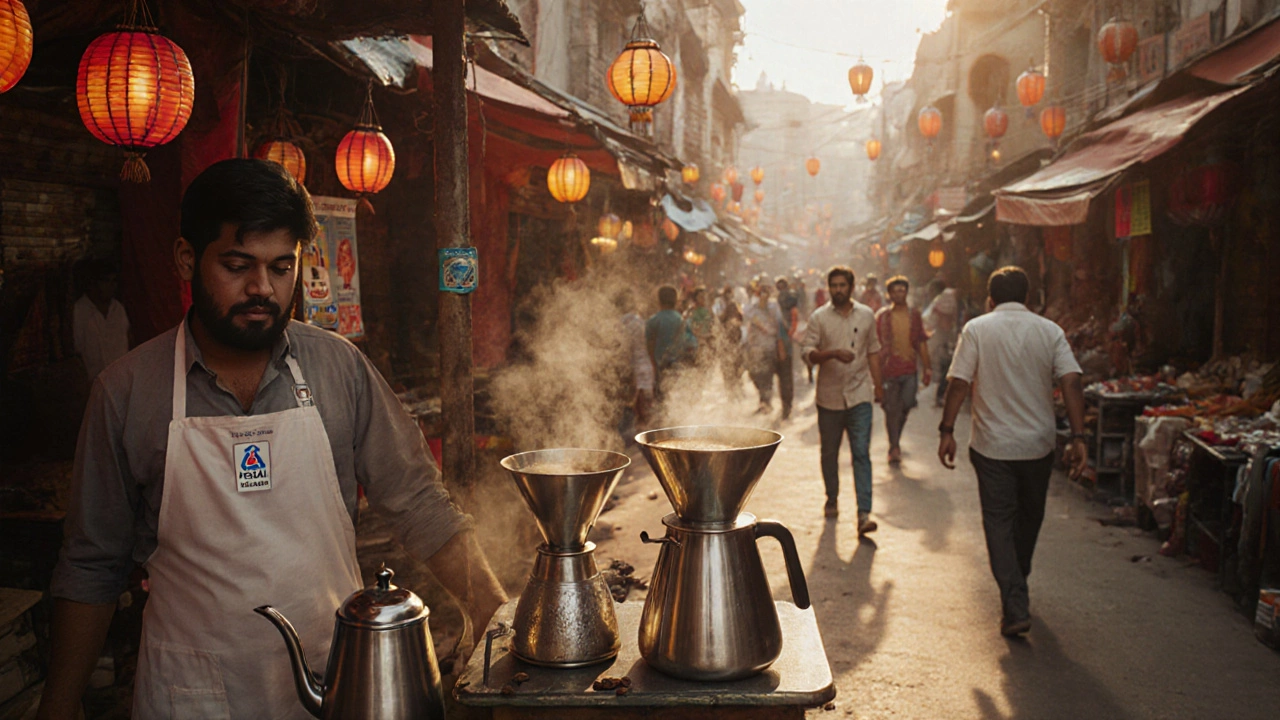
Ever wondered if you can safely sip a cup of coffee in India while strolling through a bustling bazaar or grabbing breakfast on the go? The short answer is yes, but there are a few things to keep in mind - from local regulations to health impacts and the variety of street‑coffee options you’ll meet on every corner.
Legal and Safety Overview
Coffee is a brewed beverage made from roasted coffee beans, enjoyed worldwide for its flavor and stimulant properties. In India, coffee is fully legal and regulated by the Food Safety and Standards Authority of India (FSSAI). The agency classifies coffee as a non‑alcoholic beverage, meaning it can be sold anywhere - from high‑end cafés to roadside stalls.
The FSSAI sets standards for:
- Maximum allowable levels of caffeine in certain products (e.g., energy drinks).
- Packaging and labeling requirements for instant coffee and ready‑to‑drink formats.
- Hygiene protocols for street‑food vendors, including coffee stalls.
Because coffee isn’t a controlled substance, you won’t need a permit to drink it, but vendors must follow the same food‑safety guidelines that apply to any snack or beverage sold on the street.
Health Impacts of Coffee for Indian Consumers
India’s diet is rich in spices, grains, and plant‑based foods - a pattern that influences how coffee interacts with overall health.
Caffeine is the primary stimulant in coffee that boosts alertness and temporarily raises metabolism. In moderate amounts (about 200‑300 mg per day, roughly two cups), caffeine can:
- Enhance cognitive performance and reduce perceived fatigue.
- Increase the release of antioxidants, which help combat oxidative stress.
- Support short‑term weight management by slightly raising basal metabolic rate.
Research conducted by the Indian Council of Medical Research (ICMR) in 2023 found that regular coffee drinkers had a 12 % lower risk of developing type‑2 diabetes compared to non‑drinkers, provided they kept sugar intake low.
On the flip side, excessive coffee (more than 4 cups a day) may:
- Elevate blood pressure, which can be a concern for people with hypertension.
- Disrupt sleep patterns, especially when consumed after 4 pm.
- Cause gastrointestinal irritation in very sensitive stomachs.
Overall, coffee can be a health‑promoting beverage for most Indians when consumed mindfully - keep sugar and cream modest, stay within recommended caffeine limits, and choose high‑quality beans or powders.
Popular Street‑Coffee Varieties Across India
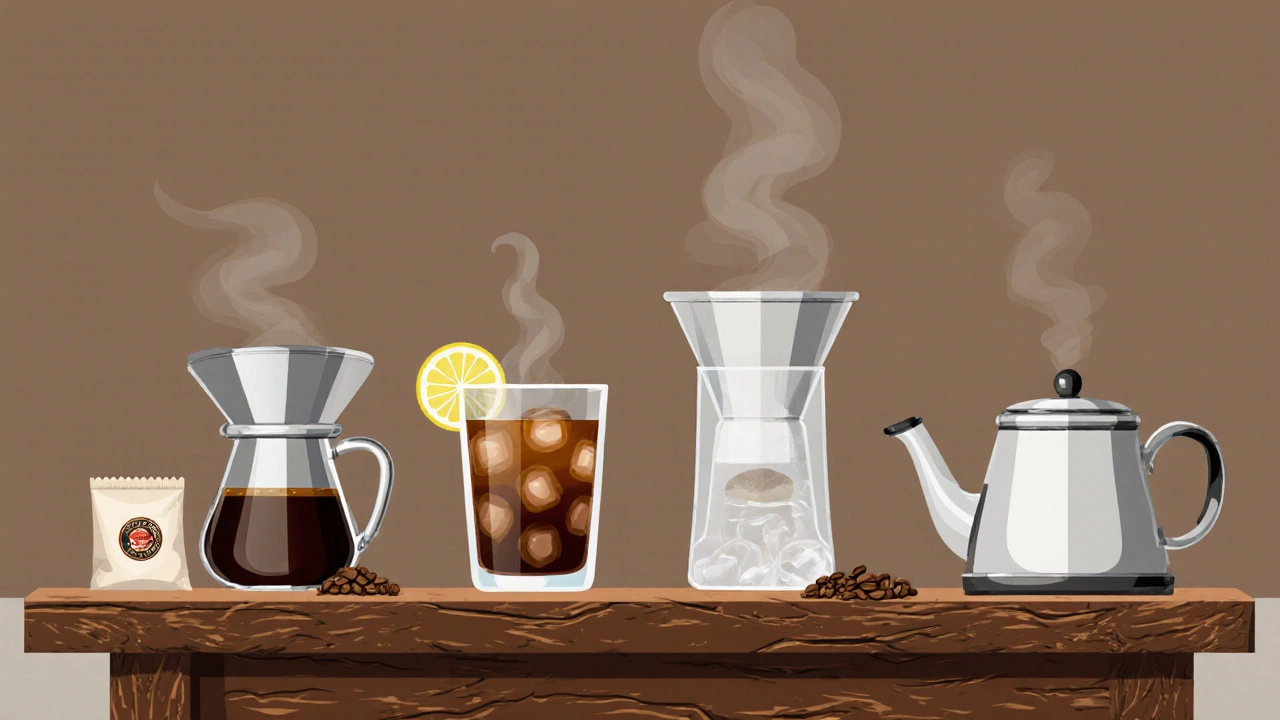
Street coffee in India isn’t just a one‑size‑fits‑all drink. Each region has its own twist, shaped by local taste buds and available ingredients.
- South Indian Filter Coffee: A creamy blend of dark roasted beans and chicory, brewed in a metal filter. Served hot in a stainless steel tumbler (the iconic “dabarah”).
- Caffeine content: ~95 mg per 200 ml cup.
- Typical price: ₹30‑₹45.
- Instant Coffee: The most common offering at roadside stalls. Vendors dissolve a sachet of powdered coffee (often with added sugar and milk solids) in hot water.
- Caffeine: ~70 mg per cup.
- Price: ₹15‑₹25.
- Cold Brew & Iced Coffee: Growing trend in metros like Delhi, Bangalore, and Mumbai. Often prepared in large jars and served over ice with a splash of milk.
- Caffeine: ~120 mg per 300 ml serving.
- Price: ₹60‑₹100.
- Specialty Coffee: Micro‑roasters and boutique stalls serve single‑origin beans, sometimes with butter or almond milk (the “Bulletproof” style). More common in upscale neighborhoods.
- Caffeine: varies 80‑130 mg.
- Price: ₹120‑₹250.
All these options are widely available, but the level of hygiene can differ dramatically from one vendor to the next.

How to Choose Safe Street Coffee
Even though coffee itself is low risk, the water and equipment used by street vendors can affect safety.
- Check the water source. Vendors who boil water for at least 5 minutes reduce the chance of bacterial contamination.
- Observe cleanliness. Look for a tidy stall, clean utensils, and a covered container for coffee powder.
- Ask about the beans. Reputable stalls mention the brand (e.g., Tata Coffee, Narasus, or local roasted beans). Avoid unbranded “mystery powders”.
- Mind the sugar. Street coffee is often drenched in sugar. Request “less sugar” or “no sugar” if you’re watching calories.
For people with compromised immune systems or chronic illnesses, it may be safer to stick to coffee from fully licensed cafés that follow strict FSSAI standards.
Comparison of Common Indian Street‑Coffee Types
| Type | Typical Caffeine (mg per serving) | Average Price (₹) | Health Highlight |
|---|---|---|---|
| South Indian Filter Coffee | 90‑100 | 30‑45 | High antioxidant content; richer flavor due to chicory. |
| Instant Coffee (plain) | 65‑80 | 15‑25 | Convenient; watch for added sugar in pre‑mixed packs. |
| Cold Brew/Iced Coffee | 110‑130 | 60‑100 | Less acidic; may be served with extra sweeteners. |
| Specialty Single‑Origin | 80‑130 | 120‑250 | Potentially higher phytonutrients; pricier. |
Use this table as a quick cheat‑sheet when deciding what to order on the street. If you’re after a low‑calorie pick, go for plain instant coffee or a less‑sweetened filter coffee.
Frequently Asked Questions
Is coffee legal everywhere in India?
Yes. Coffee is classified as a non‑alcoholic beverage and can be sold in any state, provided vendors comply with FSSAI food‑safety rules.
How much caffeine is safe for most adults?
The consensus is 200‑300 mg per day, roughly two to three standard cups. Pregnant women should stay below 150 mg.
Can street coffee cause stomach problems?
If the water isn’t boiled properly or the equipment is dirty, you could ingest bacteria that upset the stomach. Choosing stalls that boil water and keep utensils clean reduces the risk.
Is sweetened street coffee unhealthy?
Most street vendors add generous amounts of sugar. A single cup can contain 8‑12 g of added sugar, which adds up quickly. Ask for “less sugar” or bring your own sweetener to keep calorie intake low.
What’s the best time of day to drink coffee in India’s hot climate?
Morning or early afternoon works best. In the evenings, caffeine can interfere with sleep, especially during the hot summer months when people tend to stay up later.
Wrap‑Up Tips for Coffee Lovers on the Move
To sum it all up, drinking coffee in India is completely fine, but a few smart habits will make the experience healthier and more enjoyable:
- Prefer boiled water or vendors who visibly heat water.
- Watch the sugar amount - request “light sweet” or none at all.
- Stick to 2‑3 cups a day to stay within safe caffeine limits.
- Try regional specialties like South Indian filter coffee for a true local flavor.
- If you have a chronic condition, choose cafés that publish ingredient lists and follow strict hygiene protocols.
Next time you wander through a market or hop onto a morning train, you’ll know exactly which coffee stall to trust and how that cup fits into your overall health routine. Happy sipping!