Coffee in India: A Rich Blend of Tradition and Modern Tastes
When talking about coffee in India, the drink that bridges colonial heritage with vibrant regional flavors. Also known as Indian coffee, it reflects a unique mix of robust beans, spice‑infused brews, and daily rituals that differ from city to village. Coffee in India encompasses both the classic South Indian filter coffee and emerging third‑wave espresso scenes, creating a landscape where heritage meets innovation.
One of the most common companions to a steaming cup is the Indian breakfast, a spread of dosas, idlis, and hearty parathas that often include a side of coffee. This pairing isn’t random; the caffeine balances the carbs in these dishes, giving a steady energy lift for the day ahead. In fact, studies from Indian culinary institutes show that a cup of filter coffee taken with a protein‑rich snack can boost satiety by up to 20% compared to tea‑only meals. The breakfast‑coffee link requires timing—add the coffee after the first bite to preserve the spice aromatics of the food.
Speaking of protein, many Indian snack lovers reach for high‑protein Indian snacks, options like roasted chickpeas, spiced peanuts, or paneer cubes that fuel the body without excess oil. Pairing these snacks with coffee creates a synergy: the caffeine enhances mental alertness while the snack supplies muscle‑building nutrients. Nutritionists often recommend a 30‑gram protein snack alongside a 150‑ml cup of filter coffee for a balanced mid‑morning boost. This combo influences both metabolic rate and mood, making it a staple in many office kitchens across the country.
Regional Roots and Modern Twists
South India is the heartland of filter coffee, where beans from the Western Ghats are roasted with cardamom and sometimes a pinch of cinnamon. The brew is then mixed with boiled milk and a dollop of butter‑cream‑like “milk froth” made from a traditional metal tumbler. This method requires precise grinding, water temperature, and a steady pour—skills passed down through generations. Meanwhile, in the North, espresso bars sprout in metros, offering single‑origin beans from Coorg and aromatic blends infused with local spices like saffron or nutmeg.
Beyond regional styles, coffee is finding its way into Indian desserts such as coffee‑flavored rasgulla or the increasingly popular coffee‑masala chai hybrid. Food technologists note that adding coffee extracts to sweets not only deepens flavor but also contributes antioxidants that combat oxidative stress. This trend creates new markets for coffee‑infused confectionery, linking the beverage to the sweet‑tooth culture of festivals.
Health‑focused consumers also explore the benefits of coffee’s chlorogenic acids, which research from the Indian Council of Medical Research suggests may aid in blood sugar regulation when consumed without excess sugar. Pairing coffee with unsweetened millet porridge, for instance, delivers a low‑glycemic start to the day. Such combos illustrate how traditional dishes can evolve to meet modern wellness goals.
For those curious about brewing at home, the Indian coffee scene offers simple tools: a stainless steel filter (the “drip” cup), a grinder, and fresh milk. The process includes soaking the grounds in hot water for about 30 seconds, then letting gravity pull the brew into a cup. Adding a dash of jaggery instead of refined sugar not only sweetens naturally but also adds iron—a subtle nod to nutritional balance.
Businesses are capitalizing on coffee culture too. Small‑scale roasters in Karnataka experiment with altitude‑adjusted roasting profiles, while startups in Delhi deliver cold‑brew kits with flavors like cardamom‑mint to office inboxes. These ventures require an understanding of both supply chain logistics and consumer taste preferences, bridging agricultural traditions with digital commerce.
When coffee meets Indian festivities, you’ll find it served during celebrations such as Ganesh Chaturthi, where devotees offer a cup to the deity before sharing sweets. The ritual highlights coffee’s role beyond a mere drink—it’s part of cultural symbolism, representing hospitality and community.
Travelers often ask why Indian coffee feels richer than its Western counterparts. The answer lies in the combination of bean variety, spice infusion, and the use of full‑fat milk, which together create a creamy mouthfeel without the need for added creamers. Chefs in coastal cafés often garnish the cup with a thin slice of ginger, adding a zing that cuts through the richness and awakens the palate.
From a sustainability angle, many coffee farms in the Nilgiris are shifting to shade‑grown practices that protect biodiversity. These farms support local bird populations and improve soil health, aligning coffee production with environmental stewardship. Consumers who prefer ethically sourced coffee can look for certifications like “Rainforest Alliance” or “Fair Trade India” when buying beans.
In summary, coffee in India is more than a caffeine fix—it’s a cultural thread that ties breakfast routines, snack choices, health trends, and regional pride together. Whether you enjoy a frothy filter coffee with a dosa, sip an espresso alongside a protein‑packed snack, or experiment with coffee‑spiced desserts, the beverage offers endless ways to enrich everyday meals.
Below you’ll find a curated collection of articles that dive deeper into Indian breakfast drinks, high‑protein snack ideas, regional coffee brewing methods, and the health science behind your daily cup. Explore the insights, try the tips, and let your coffee journey in India become both flavorful and informed.
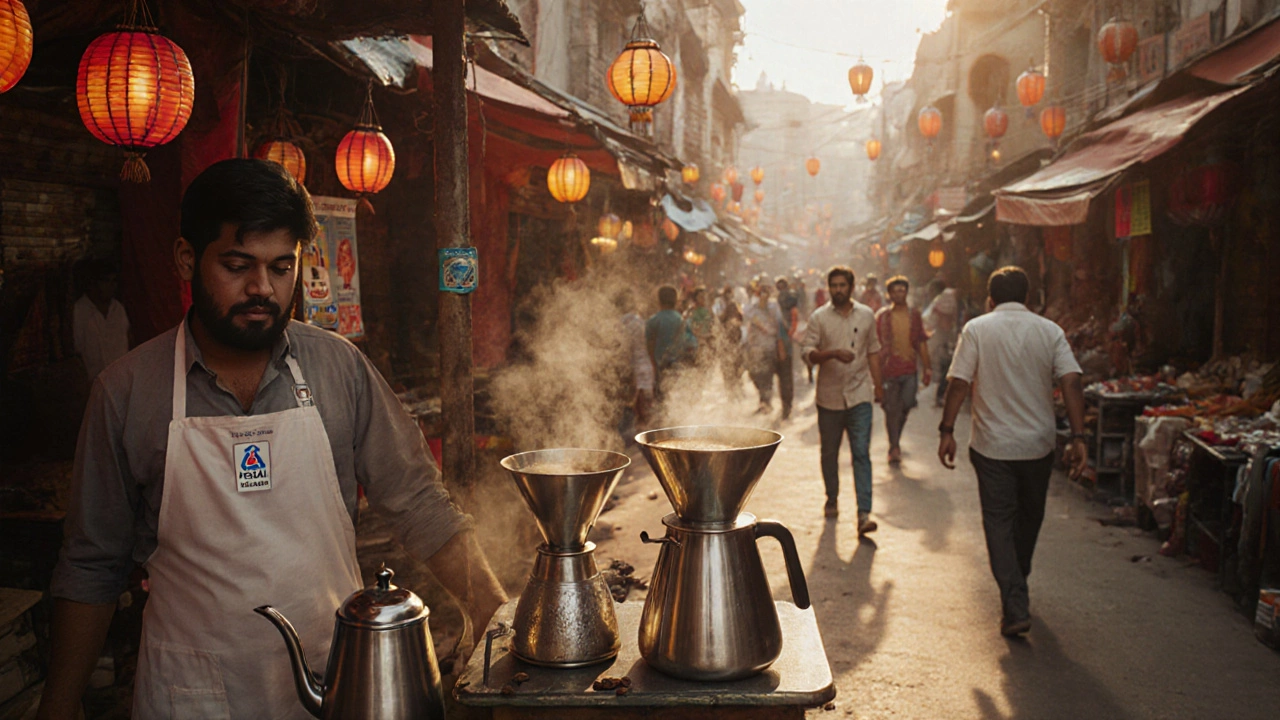
Coffee in India: Legal Status, Health Effects, and Street‑Food Guide
Learn if coffee is legal in India, its health benefits, street‑coffee varieties, and tips for safe consumption while exploring Indian street food.