Indian Dietary Restrictions: Navigating Food Rules Across India
When talking about Indian dietary restrictions, the set of food guidelines shaped by religion, health, and regional customs that govern what many people in India can or cannot eat. Also known as Indian food rules, they affect everything from daily meals to festival feasts. These restrictions influence ingredient selection, dictate cooking methods, and often determine the entire menu for a household. For example, the central topic encompasses various sub‑categories like vegetarianism and fasting practices, and it requires knowledge of specific spices, dairy alternatives, and permissible meats. Understanding them is essential before you start cooking or planning a menu.
Key Categories of Indian Food Rules
One major branch is the Indian vegetarian diet, a plant‑focused eating pattern that excludes meat, fish, and eggs but often includes dairy and honey. It’s a staple for over 30% of the population and varies by region—North Indian veg meals lean heavily on paneer and wheat, while South Indian plates favor rice, lentils, and coconut. Another strict subset is Jain dietary practices, a rigorously non‑violent diet that bans root vegetables, certain legumes, and even honey to avoid harming tiny organisms. This rule affects ingredient choices such as avoiding potatoes, carrots, and onions, prompting cooks to use alternatives like cauliflower or plant‑based proteins. Halal food rules guide Muslims in India to consume only meat slaughtered according to Islamic law and to avoid pork and alcohol; they also influence spice blends, as many traditional halal dishes rely on specific aromatics like cumin and cardamom. Finally, the growing demand for gluten‑free Indian cooking, recipes that replace wheat‑based staples with rice, millets, or chickpea flour to accommodate celiac disease or gluten sensitivity, shows how modern health concerns intersect with age‑old traditions. These entities together shape a complex food landscape where cultural respect and culinary creativity go hand‑in‑hand.
All these rules aren’t just abstract concepts—they show up in the articles below. You’ll find a deep dive into vegetarian meals, nutrition facts for dal, tips for soaking rice for dosa batter, and safety guides for homemade paneer, each written with the awareness that dietary rules matter. Whether you’re a devout practitioner, a curious foodie, or someone managing a health condition, the collection offers actionable insights, clear step‑by‑step advice, and ways to adapt classic dishes without breaking any rules. Ready to see how these restrictions translate into real‑world cooking? Scroll down to explore recipes, safety tips, and flavor hacks that honor every food guideline while keeping your meals delicious and hassle‑free.
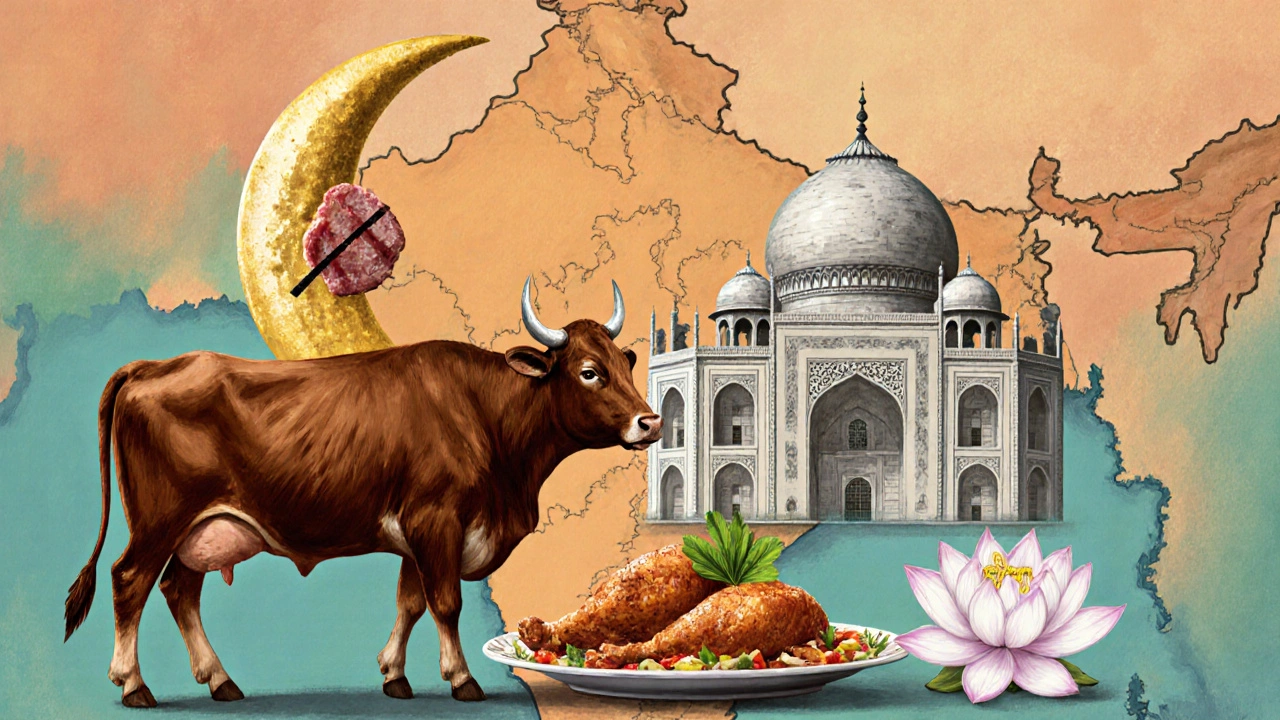
Which Meats Are Not Eaten in India? A Cultural and Legal Guide
Explore which meats are avoided in India, why beef, pork and other proteins are restricted, and how religion, law, and region shape Indian food choices.