Kid-Friendly Curry: Simple, Nutritious Indian Curries Kids Actually Love
When you think of kid-friendly curry, a mild, flavorful Indian dish designed for children’s palates. Also known as child-safe curry, it’s not just about removing spice—it’s about balancing texture, aroma, and nutrition so even picky eaters ask for seconds. Many parents assume Indian food is too spicy or too complex for kids, but that’s not true. The real secret? It’s not about dumbing down the food. It’s about choosing the right ingredients and cooking methods that keep flavor alive while making it gentle on little stomachs.
Indian cuisine has a long history of adapting meals for all ages. yellow moong dal, a soft, quick-cooking lentil that’s naturally easy to digest, is a staple in Indian households for babies and toddlers. It’s often served as a simple, creamy dal with a touch of ghee and cumin—no chili, no onions, no garlic. That’s the foundation of many kid-friendly curry recipes. Then there’s paneer, a mild, soft Indian cheese that holds its shape and absorbs flavors without overpowering. When cubed and gently simmered in a tomato-based sauce with a pinch of turmeric and cumin, it becomes a protein-packed, kid-approved bite. Even roti, a simple whole wheat flatbread, pairs perfectly with these curries, giving kids something to dip and handle on their own.
What makes these dishes work isn’t just the ingredients—it’s the way they’re cooked. Slow simmering turns tough spices into soft, rounded flavors. Skipping the chili powder doesn’t mean skipping flavor. Instead, you use toasted cumin, a little ginger, and a dash of cinnamon to build depth without heat. Many parents don’t realize that store-bought curry pastes often contain hidden sugars and preservatives. Homemade versions, even the simplest ones, are far better for kids. And yes, you can make a curry that’s both healthy and appealing without turning it into pureed mush. The key is texture: soft vegetables, tender protein, and a sauce that’s thick enough to cling to spoon or roti, but not so thick it’s gloppy.
Looking through the recipes here, you’ll find real examples—meals that families actually eat, not just ones that look good on Instagram. You’ll see how to turn leftover dal into a creamy curry base, how to sneak in spinach without kids noticing, and why a little bit of yogurt in the sauce can make all the difference in digestion. These aren’t fancy chef recipes. They’re the kind of meals Indian moms make when they need something quick, healthy, and actually eaten by their kids. No gimmicks. No forced fun. Just good, simple food that works.
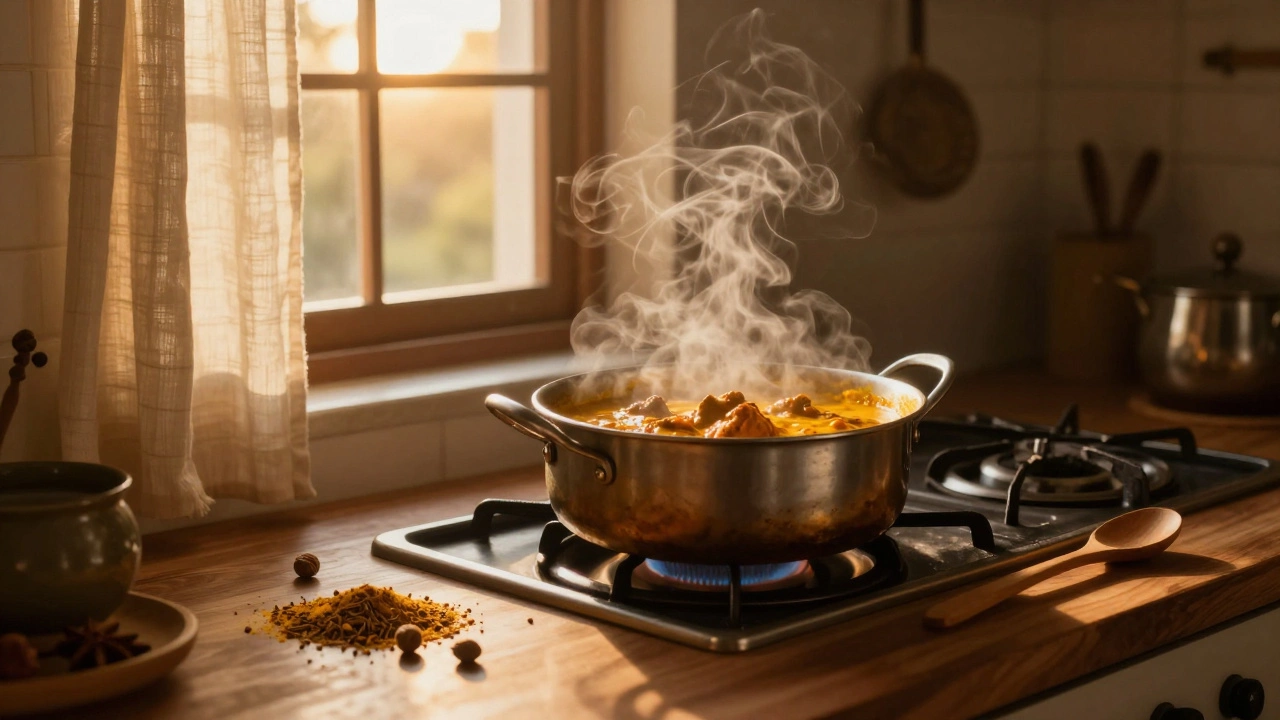
What Is a Very Mild Indian Curry? Easy Recipes for Beginners and Kids
Discover the most popular mild Indian curries that are perfect for beginners, kids, and anyone who loves flavor without heat. No chilies needed-just creamy, aromatic dishes like butter chicken and paneer makhani.