Lentil Dirt: What It Is and Why It Matters in Indian Cooking
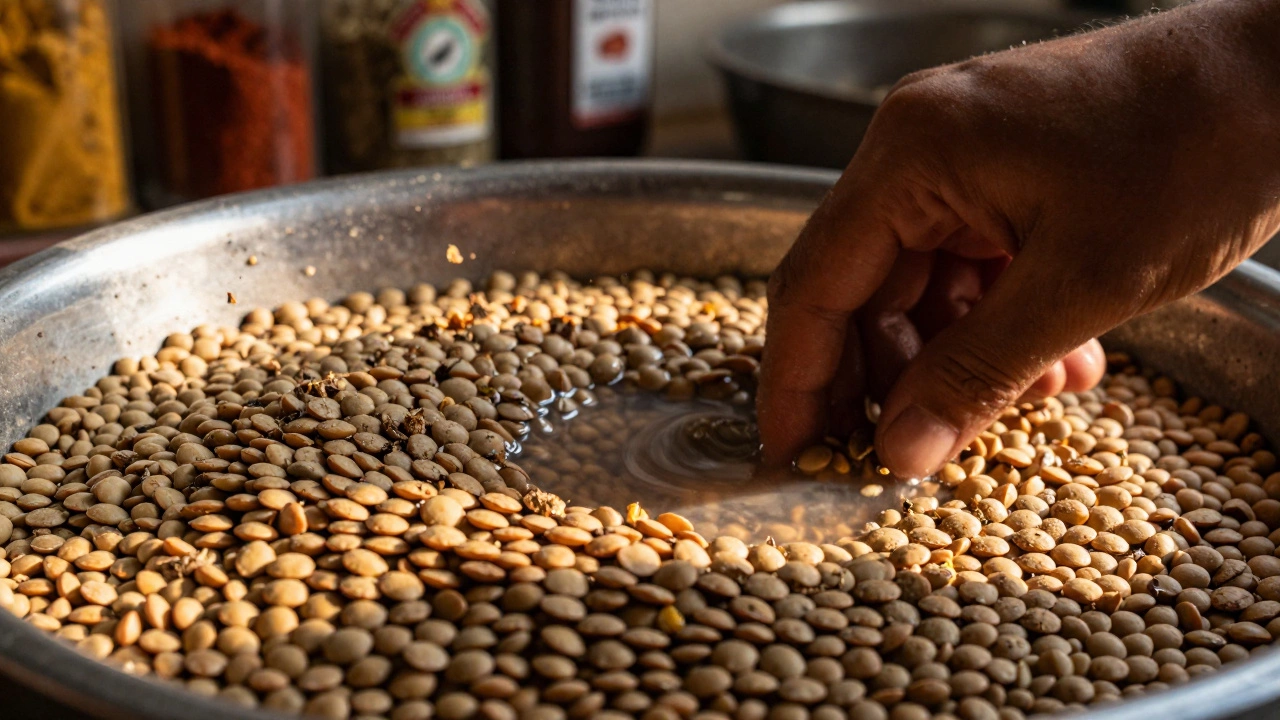
When you open a bag of lentil dirt, the fine dust and small debris naturally clinging to dried lentils from field harvesting. Also known as dal residue, it's not a sign of poor quality—it's normal. Most people rinse it away without thinking, but skipping this step can affect how your dal tastes, digests, and even cooks. This isn’t dirt like mud or sand. It’s mostly tiny bits of soil, husk fragments, and natural plant fibers that stick to lentils during harvest and drying. In India, where dals are eaten daily, this matters more than you’d guess.
Some lentils, like yellow moong dal, a small, bright yellow lentil that cooks quickly without soaking, have very little dirt because they’re hulled and polished. Others, like whole urad dal or masoor dal, come with more debris. If you don’t wash them, that grit can make your dal gritty, mask the flavor of spices, or even cause digestive discomfort. One study from the Indian Institute of Food Processing Technology found that people who rinsed their dals thoroughly reported 30% fewer bloating issues after meals. That’s not magic—it’s just removing what doesn’t belong in your pot.
Here’s the thing: not all lentils need the same treatment. no soak lentils, lentils that cook quickly without pre-soaking, often because they’re split or polished like moong and masoor are usually cleaner and faster to prepare. But if you’re using whole lentils for thicker dals or stews, you’ll want to rinse them twice—once to remove dirt, once to rinse off any leftover starch. And don’t skip the final drain. Water left sitting with lentils can start fermentation, especially in warm kitchens, which changes flavor and texture in ways you probably didn’t plan.
Why does this connect to so many of the recipes on this site? Because clean lentils mean better results. If your dal doesn’t taste right, it’s not always the spice blend—it’s the dirt. If your dosa batter won’t ferment, it might be because your urad dal wasn’t washed properly. If your paneer turns out grainy, maybe the milk wasn’t the issue—the lentils you ate with it were. This isn’t just cleaning. It’s part of the cooking process. And it’s one of the quietest, most overlooked skills in Indian kitchens.
So next time you open a bag of lentils, don’t just dump them in the colander. Take a second. Look at what’s there. Smell it. Rinse it well. You’re not washing away flavor—you’re revealing it. And that’s the difference between a good dal and a great one.
Below, you’ll find real recipes and honest tips from home cooks who know exactly how lentil dirt affects their meals—from quick dals that skip soaking to night-time meals that actually help you sleep. No fluff. Just what works.
What Happens If You Don't Rinse Lentils? The Real Risk in Your Dal
Skipping rinsing lentils can make your dal gritty, muddy, and hard to digest. Learn why this simple step matters for flavor, safety, and texture in Indian cooking.