Paneer Storage
When working with Paneer Storage, the practice of keeping homemade or store‑bought paneer fresh and safe. Also known as Storing Paneer, it helps prevent spoilage and preserve texture. Paneer, a soft, non‑aged Indian cheese made by curdling milk with acid needs careful handling because its high moisture content makes it prone to bacterial growth. Below we’ll walk through the most reliable ways to extend its life without compromising flavor.
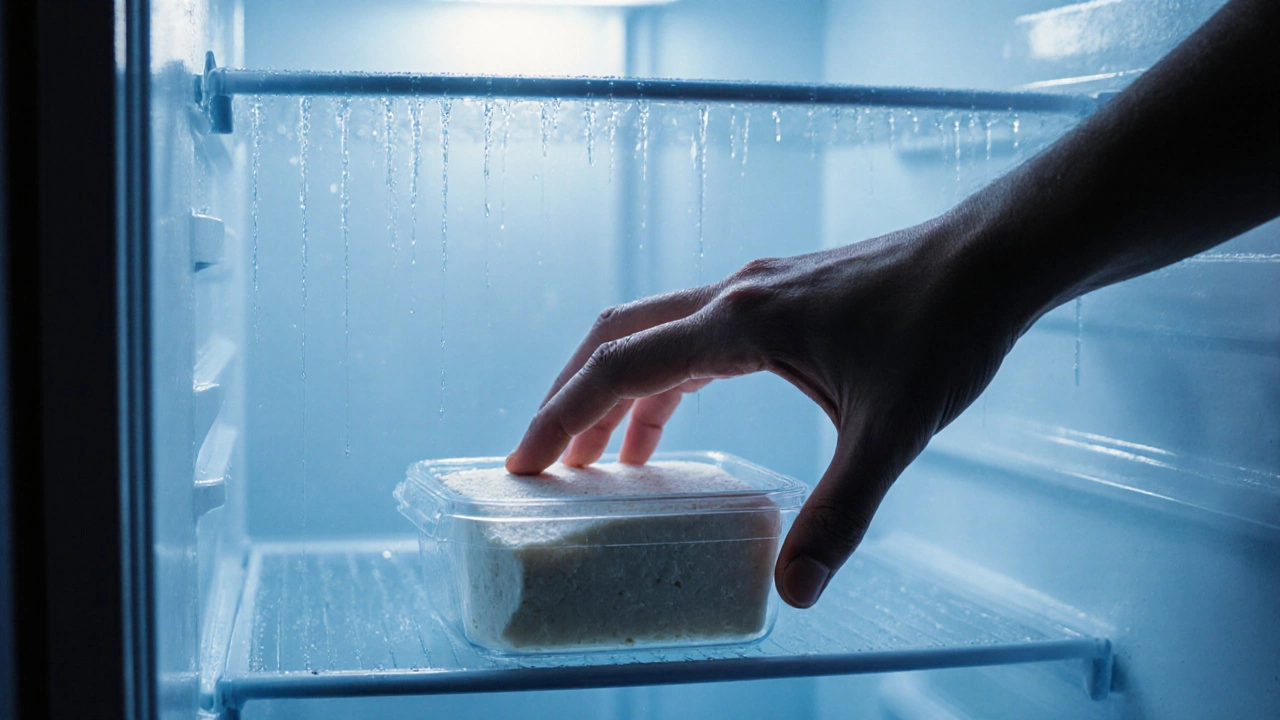
Refrigerator, a standard kitchen appliance that maintains temperatures around 4°C (39°F) is the first line of defense for paneer. paneer storage in the fridge should use an airtight container or a zip‑lock bag with as little air as possible. Placing the cheese in the coldest part—usually the bottom shelf—helps keep it firm for 3‑5 days. A simple trick is to submerge the cubes in a thin layer of water; the water acts as a barrier against drying while staying cool enough to stop bacterial growth. Remember to change the water daily to avoid stagnation.
When you need paneer to last longer, Freezer, an appliance that keeps food at –18°C (0°F) or lower becomes essential. Freezing panes the protein structure, so it’s best to cut the cheese into usable portions first. Wrap each portion tightly in plastic film, then place them in a freezer‑safe bag to prevent freezer burn. Proper freezer storage can keep paneer good for up to two months. Thaw slowly in the refrigerator, not at room temperature, to retain its crumbly texture and avoid excess moisture.
Understanding the Dairy Safety, guidelines that ensure milk‑based products stay free from harmful microbes rules is key to judging paneer’s condition. Look for sour smell, slimy coating, or discoloration—signs that the cheese has passed its safe window. Even if the surface looks fine, a sour taste indicates spoilage. Keep a log of when you opened or made the paneer so you can track its shelf life accurately.
If you make paneer at home, the moment it’s pressed is the perfect time to decide on storage. Warm, freshly pressed cheese can be placed directly into a clean bowl of cold water, then transferred to the fridge within an hour. This method mimics commercial brine and keeps the cheese supple. For those who like flavored paneer, adding herbs or spices to the storage water adds taste without compromising safety.
Finally, transport matters. An insulated cooler with ice packs works wonders for picnics or potlucks, keeping paneer at safe temperatures for several hours. Airtight containers prevent the cheese from absorbing other odors, so it stays tasting fresh wherever you go.
Armed with these storage hacks, you’ll find paneer staying soft, moist, and ready for any curry, grill or snack. Below, explore detailed articles that dive deeper into refrigeration tricks, freezer techniques, spoilage detection, and more—all designed to keep your paneer at its best.
Can I Eat 7‑Day‑Old Paneer? Safety, Signs, and Tips
Learn if 7‑day‑old homemade paneer is safe to eat, how to spot spoilage, storage tips, and quick FAQs for confident cooking.