Peda: The Classic Indian Sweet Made Simple
When you think of Indian sweets, peda, a dense, fudge-like milk sweet from North India, often shaped into round discs and flavored with cardamom or saffron. Also known as pedha, it’s the kind of treat you find at every Diwali table, temple prasad, or wedding reception. It’s not just sugar and milk—it’s slow-cooked milk solids (khoya), gently sweetened, and molded by hand. No fancy equipment. No preservatives. Just patience, heat, and tradition.
Peda is part of a larger family of Indian milk sweets, like khoya, the thickened milk base used in many Indian desserts, including gulab jamun and barfi, and mawa, another name for reduced milk solids, especially in Western India. These aren’t just ingredients—they’re the foundation of a whole cuisine built around dairy. Unlike Western candies, peda doesn’t rely on chocolate or buttercream. It’s all about the milk’s natural sweetness, caramelized over hours, then shaped into bite-sized pieces that melt on your tongue.
Why does peda stay popular? Because it’s simple, satisfying, and deeply tied to culture. You won’t find it in a supermarket aisle next to gummy bears. It’s made in homes, small shops, and temples across Uttar Pradesh, Maharashtra, and Gujarat. Some versions use khoya from buffalo milk for extra richness. Others add pistachios, rose water, or even a touch of saffron. It’s not just dessert—it’s a ritual. Whether you’re giving it as a gift, offering it in prayer, or enjoying it after a spicy curry, peda carries meaning.
And while modern cooks might try shortcuts—using condensed milk or microwave methods—the real thing still takes time. That’s why the recipes you’ll find below focus on the traditional way: simmering milk until it thickens, stirring constantly, and letting the flavor develop naturally. You’ll see how to get the perfect texture, avoid graininess, and make peda that tastes like it came from a street-side sweet shop in Varanasi or a grandmother’s kitchen in Jaipur.
What follows are real recipes, tips, and stories from people who make peda every day. Whether you’re trying it for the first time or you’ve been eating it since childhood, you’ll find something here that connects you to the heart of Indian sweets.
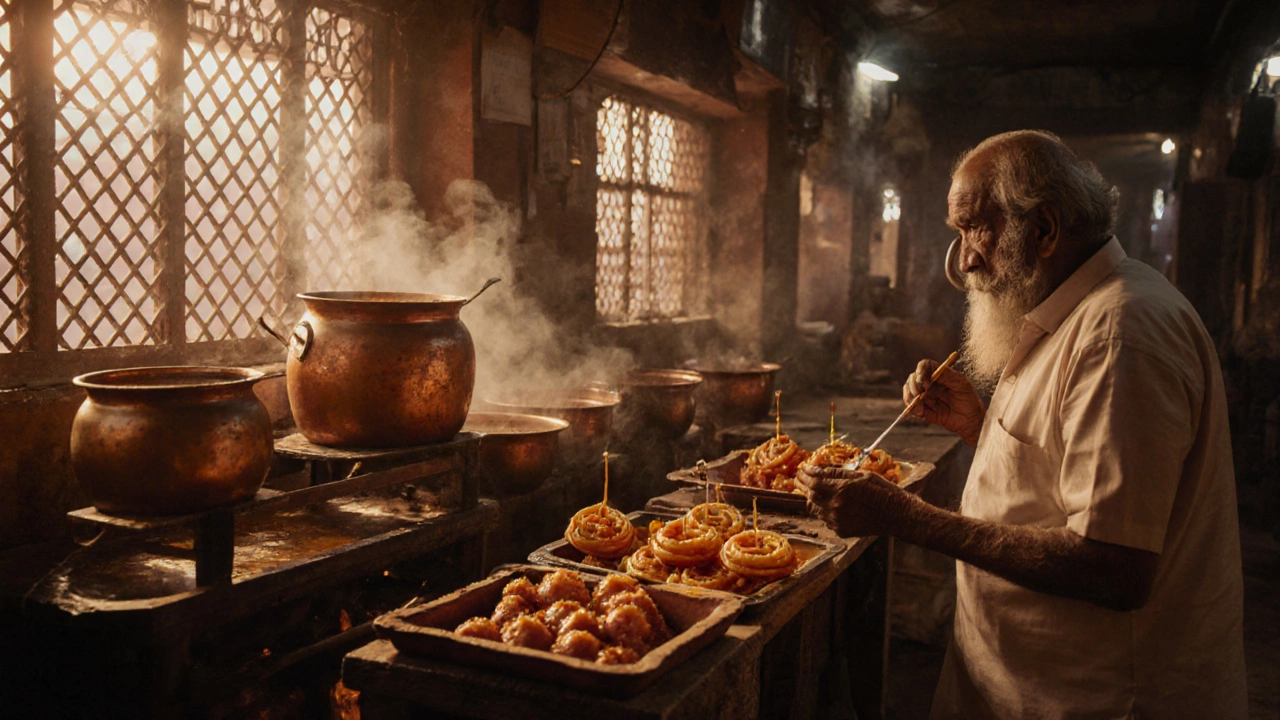
What Is India's Traditional Sweet? A Guide to the Most Beloved Indian Sweets
Discover India's most beloved traditional sweets like gulab jamun, rasgulla, and jalebi-how they're made, why they matter, and where to find the real ones.