Plant-Based Indian Meals: Simple, Nutritious, and Full of Flavor
When you think of plant-based Indian meals, Indian food that excludes all animal products, relying on lentils, vegetables, grains, and spices for nutrition and taste. Also known as vegan Indian dishes, it’s not a trend—it’s the backbone of Indian home cooking for centuries. Millions in India eat this way not because it’s trendy, but because it’s how their grandparents cooked: no butter, no cream, no paneer—just spices, legumes, and seasonal produce. The truth? Most traditional Indian meals are already plant-based. You just need to know which ones to pick.
Take Indian lentils, dals made from split peas, chickpeas, and mung beans that form the protein foundation of countless meals. Yellow moong dal cooks in under 30 minutes without soaking. Urad dal powers crispy dosas when fermented with rice. These aren’t side dishes—they’re the main event. And they’re packed with fiber and slow-digesting protein, keeping you full longer than any processed snack. Then there’s vegetarian Indian cuisine, a broad category that includes dairy, but when stripped of ghee, yogurt, and paneer, becomes fully plant-based. That’s where you find real gems: chana masala, sambar, baingan bharta, and rice with dal—all naturally free of animal products when made right.
Some people think vegan Indian food means bland tofu stir-fries. That’s not it. The flavor comes from mustard seeds popping in hot oil, curry leaves sizzling, cumin and turmeric blooming in ghee (or coconut oil if you’re avoiding dairy). Fermented chutneys boost gut health. Roasted makhana gives you crunch without frying. Even naan can be vegan—if you skip the milk and butter. The key is knowing what to swap: coconut milk for cream, lemon juice for yogurt, flaxseed for egg in baking. You don’t need fancy ingredients. You just need to understand what’s already there.
What you’ll find in the posts below isn’t a list of vegan recipes you need to hunt down. It’s proof that Indian cooking was vegan long before the word existed. You’ll learn why some dals don’t need soaking, how to make paneer without milk (yes, it’s possible), which snacks are protein-packed and dairy-free, and why fermented chutney is better for your gut than any probiotic pill. There’s no need to reinvent the wheel. Just look at what’s already on your stove.
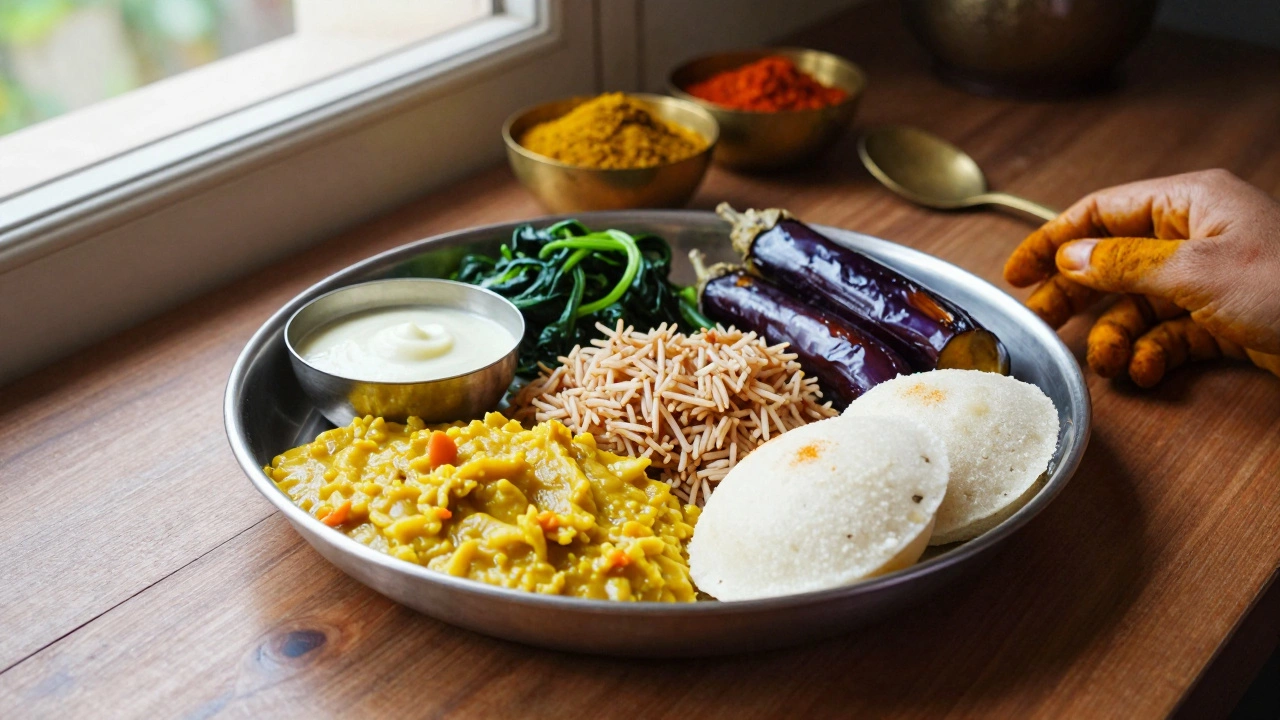
How Healthy Is Indian Vegetarian Food? The Real Facts Behind the Myths
Indian vegetarian food can be incredibly healthy-but only if you avoid fried snacks, refined flour, and added sugar. Learn what makes traditional meals nutritious and how to fix the common pitfalls.