Popular Indian Dish: What Makes These Meals So Loved Across India
When people think of a popular Indian dish, a beloved meal that reflects regional flavors, cultural traditions, and everyday cooking habits. Also known as classic Indian food, it’s not just about spice—it’s about balance, texture, and how food brings people together. You won’t find one single dish that represents all of India, but you will find a few that show up on tables from Delhi to Kerala: biryani, a layered rice dish with meat or vegetables, often cooked for celebrations and family gatherings, roti, a simple, whole wheat flatbread that’s the backbone of daily meals, and Indian curry, a rich, spiced stew that can be mild or bold, made with lentils, vegetables, or chicken. These aren’t just recipes—they’re habits passed down through generations.
What makes these dishes stick around? It’s not just taste. It’s how they fit into real life. Roti doesn’t need fancy equipment—you can make it on a stovetop or even an open flame. Biryani takes time, but it feeds a crowd and tastes better the next day. Indian curry adapts: you can make it with lentils for a quick weeknight meal, or with chicken and cream for a weekend treat. And let’s not forget naan—soft, buttery, and perfect for scooping up everything. But here’s the thing: not all versions are created equal. Store-bought naan is often full of refined flour and oil. Homemade roti, made with the right heat and dough, is a whole different experience. The same goes for curry: the best ones aren’t the spiciest—they’re the ones where every spice has time to bloom. And if you’ve ever wondered why your dal tastes muddy, it’s probably because you skipped rinsing the lentils. That small step changes everything.
People ask if Indian food is healthy. The answer isn’t yes or no—it’s how you make it. Swap white rice for brown. Use full-fat milk for paneer, not skim. Skip fried snacks and choose roasted chana or sprouted moong instead. Even sweets like gulab jamun can be part of a balanced diet if they’re occasional, not daily. The real magic? Indian cooking teaches you to eat with intention. You don’t just eat to fill your stomach—you eat to feel good, to connect, to slow down. That’s why these dishes last. They’re not trends. They’re tools for living well. Below, you’ll find real, tested tips on how to make these meals better, faster, and more nutritious—whether you’re cooking for one or feeding a family.
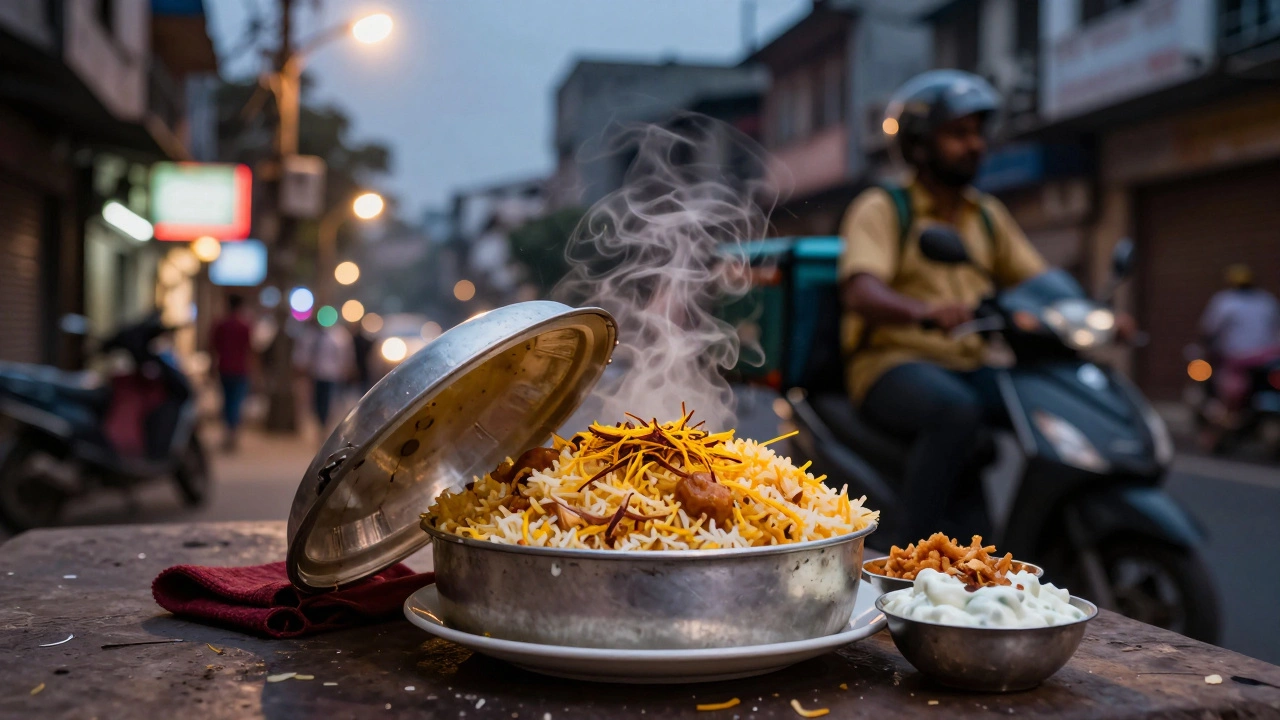
What Is India's Most Ordered Food? The Real Story Behind the Nation's Favorite Dish
Biryani is India's most ordered food, dominating food delivery apps nationwide. Discover why this flavorful rice dish beats butter chicken, dosa, and chole bhature in popularity, affordability, and cultural impact.