Soaking Rice for Dosa: What Every Cook Should Know
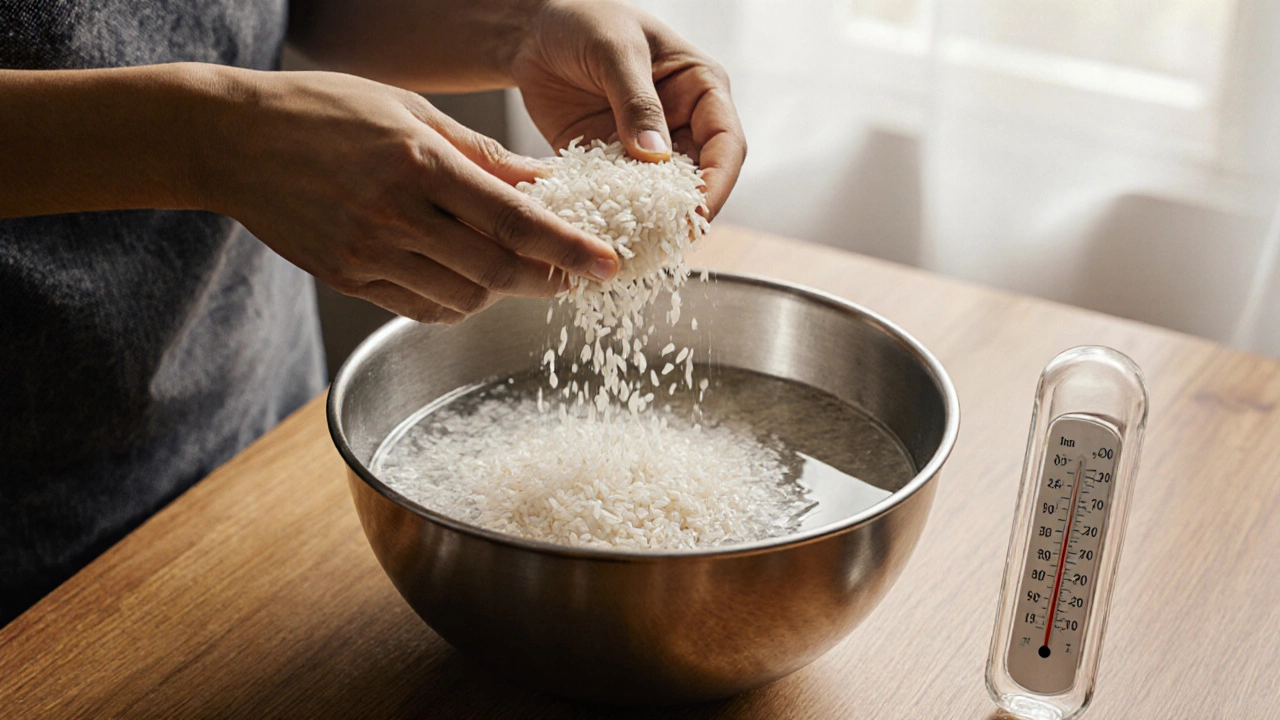
When working with soaking rice for dosa, the practice of immersing rice in water before grinding it into batter for dosa. Also known as rice soak for dosa, this step sets the stage for a smooth, airy batter. It connects directly to Rice, a staple grain that provides starch and flavor, and to Fermentation, the natural leavening process that gives dosa its characteristic sour taste and fluffy texture. By soaking the rice, you make the grains softer, which helps them break down faster during grinding, and you create the right environment for beneficial microbes to work their magic.
Why does this matter? Soaking reduces the grinding time dramatically—what used to take 15 minutes can be done in under five. Shorter grinding means less heat, preserving the delicate flavors of the rice and preventing the batter from turning gummy. Plus, the water absorbed during soak increases the surface area of the grains, allowing enzymes to start breaking down starches into simpler sugars that feed the fermentation bacteria. The result? A lighter, more aromatic batter that puffs up beautifully on the pan.
Key Benefits and Common Mistakes
One big benefit is consistency. When you soak the rice for the right amount of time—usually 4 to 6 hours—you get a predictable texture every time. Too short, and the batter stays grainy; too long, and the rice can become mushy, leading to a batter that collapses during cooking. Another perk is nutrient retention. Soaking activates phytase, an enzyme that breaks down phytic acid, making minerals like iron and zinc more bioavailable. This is especially handy for vegans and vegetarians who rely on rice-based dishes for their iron intake.
A common mistake is skipping the rinse after soaking. Residual starch can cling to the grains, making the batter overly thick. Rinsing the soaked rice under cold water removes excess starch and helps achieve the ideal batter consistency. Also, never use hard water for soaking; the mineral content can interfere with fermentation, leaving your dosa flat and sour.
When you pair soaked rice with other batter components—like urad dal, fenugreek seeds, or a splash of curd—the fermentation process speeds up. The proteins from dal and the lactic acid from curd create a balance that prevents over‑souring while keeping the batter airy. This synergy is why many recipes call for a brief soak of the dal separately, then combine it with the rice during grinding.
Temperature plays a role, too. After grinding, let the batter rest in a warm spot (around 30 °C/86 °F). The microbes thrive best at this range, turning sugars into carbon dioxide and the pleasant tang you love in dosa. If your kitchen is cool, extend the rest period or place the batter in an oven with the light on.
So, what should you look for as a sign of a well‑soaked rice batch? The grains should feel soft but still retain a slight bite when pressed between fingers. When blended, the mixture should form a smooth, slightly thick liquid that spreads easily on a ladle. If you notice clumps, add a bit more water and blend a few more seconds—don’t over‑water, as that can dilute the fermentation.
Finally, remember that soaking isn’t just for dosa. The same principle applies to idli batter, appam, and even some South Indian sweets. Understanding the science behind soaking rice for dosa empowers you to experiment confidently with these related dishes, adjusting times and water ratios to suit your taste.
Ready to put this knowledge into practice? Below you’ll find a curated collection of articles that explore every angle—from timing and water ratios to troubleshooting common issues and extending the technique to other recipes. Dive in and discover how a simple soak can transform your kitchen creations.
Ideal Rice Soaking Time for Perfect Dosa Batter
Learn the perfect rice soaking time for dosa batter, why it matters, and step‑by‑step tips to ensure fluffy, crisp dosas every time.