What is the Healthiest Indian Food to Eat? Top Nutritious Choices
 May, 12 2026
Build Your Healthy Indian Plate
Select the healthiest option from each category to build your perfect traditional Indian meal.
Quick energy
High fiber & calcium
Retains bran layer
Heavy gravy
Light, plant-based
High protein
High starch
Spinach/Mustard greens
Hydrating & light
Trans fats
Low calorie crunch
Enzyme rich
Meal Score
Your Selection:
- Start selecting items...
Add turmeric or cumin for extra anti-inflammatory benefits.
Walking through a bustling street market in Bengaluru or sitting down at a family dinner table, you are likely surrounded by vibrant colors, intense aromas, and complex flavors. But amidst the richness of Indian cuisine, which is a diverse culinary tradition known for its extensive use of herbs, spices, and regional ingredients, a common question arises: what is actually healthy? We often associate Indian food with heavy gravies, deep-fried snacks, and rich desserts. While these dishes have their place, they are not the whole story. In fact, traditional Indian diets are among the most nutrient-dense in the world when prepared correctly.
The secret lies in understanding the foundation of this cuisine. It is not just about avoiding oil; it is about maximizing the power of spices, choosing the right grains, and balancing macronutrients. If you want to know what constitutes the healthiest Indian food to eat, you need to look beyond the restaurant menu and into the kitchen practices that have sustained families for centuries.
The Power of Spices: More Than Just Flavor
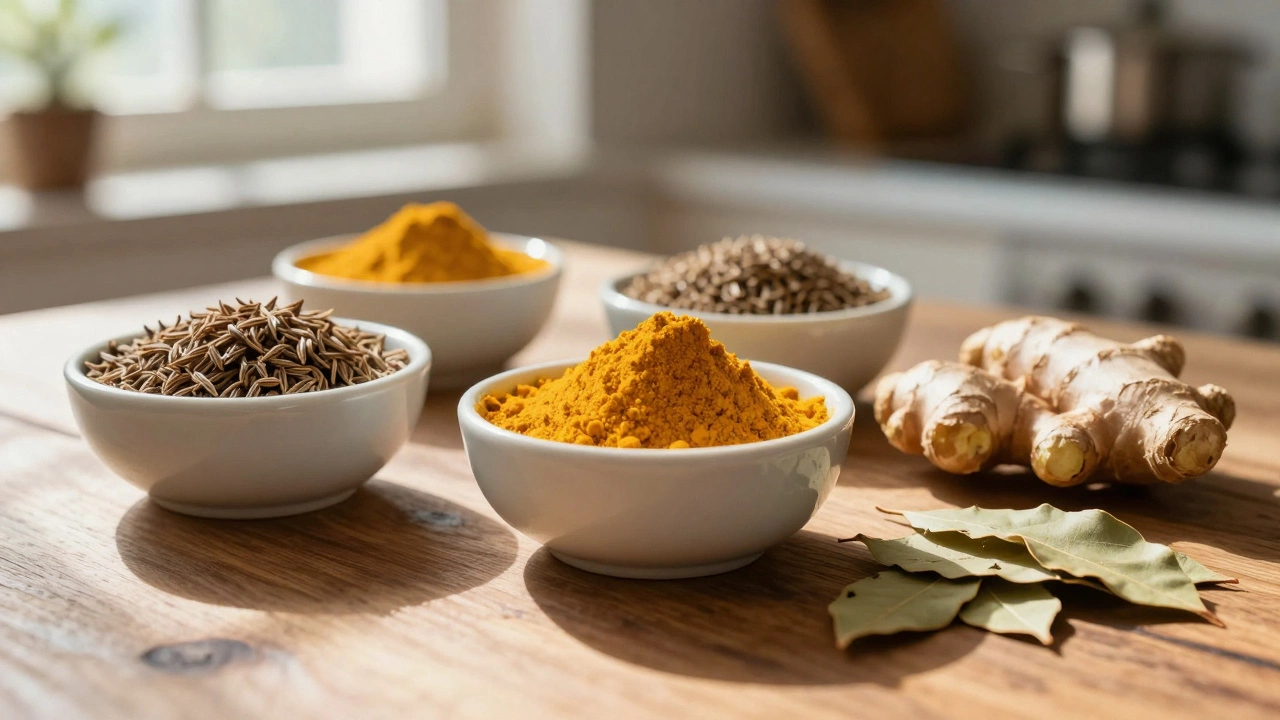
When people think of healthy eating, they rarely start with spices. Yet, in Indian cooking, spices are functional ingredients. They are not just there to make food taste good; they are there to aid digestion, reduce inflammation, and boost immunity. Take Turmeric, which contains curcumin, a potent anti-inflammatory compound that supports joint health and immune function. It is a staple in almost every household. Similarly, Cumin aids in digestion and helps regulate blood sugar levels.
You should also look at Ginger, known for its anti-nausea properties and ability to improve circulation, and Fenugreek, which is rich in fiber and helps manage cholesterol and blood glucose. These spices turn a simple bowl of rice or dal into a medicinal meal. The key is to use them generously but cook them properly-often blooming them in minimal oil or water to release their active compounds without adding excessive calories.
Grains That Go Beyond White Rice
One of the biggest misconceptions about Indian food is that it is all about white rice. While rice is a staple, especially in South India, the healthiest options are often the ancient grains that have been cultivated for thousands of years. Millets, such as foxtail millet (Korralu), little millet (Samai), and finger millet (Ragi), are nutritional powerhouses. They are high in fiber, magnesium, and iron, and they have a low glycemic index, meaning they do not spike your blood sugar like refined wheat or white rice does.
If millets are not your thing, consider Quinoa, which has gained popularity but fits well into Indian curries, or brown rice, which retains its bran layer and offers more nutrients than polished rice. Another excellent choice is Oats, often used in savory porridges or mixed into dough for rotis. Swapping refined flour (maida) for whole wheat (atta) or multigrain flour is a simple step that significantly improves the nutritional profile of your daily bread.
Lentils and Legumes: The Protein Foundation
In many parts of India, meat is not consumed daily, so protein comes from plants. This is where Lentils, or dal, serve as a primary source of plant-based protein, fiber, and essential minerals like potassium and folate. A bowl of well-cooked dal with a tempering of mustard seeds and curry leaves is one of the healthiest foods you can eat. It is easy to digest, keeps you full for hours, and supports heart health.
Variety matters here. Rotate between Masoor Dal (red lentils), yellow split peas that cook quickly and are gentle on the stomach, Chana Dal (chickpea lentils), higher in protein and fiber, ideal for thicker curries, and Moong Dal (green gram), the lightest lentil, often used in soups and sprouts. Adding beans like black chickpeas (kala chana) or kidney beans (rajma) to your weekly rotation ensures you get a complete amino acid profile when combined with grains.
Vegetables: The Seasonal Approach
Indian cooking respects seasonality. Eating vegetables that are in season means they are fresher, more affordable, and packed with more nutrients. In summer, focus on cooling vegetables like Bitter Gourd (karela), which is known for its blood-sugar-lowering properties and detoxifying effects, and Bottle Gourd (lauki), which is high in water content and easy to digest. During winter, root vegetables like carrots, beets, and sweet potatoes become prominent.
Leafy greens are another critical component. Spinach (palak), rich in iron, calcium, and vitamins A and C, and Mustard Greens (sarson ka saag), packed with antioxidants and fiber, are staples in North India. In the South, Drumstick Leaves (moringa), often called the miracle tree, provide immense nutritional value including protein and vitamin E are added to stews and curries. The goal is to fill half your plate with these colorful, fibrous vegetables.
Dairy: Fermented and Moderate
Dairy plays a significant role in Indian diets, but the healthiest forms are fermented products. Yogurt, or dahi, provides probiotics that support gut health, along with calcium and protein. It is often eaten plain with meals or used as a base for raita, a cooling side dish made with cucumbers, onions, and spices. Unlike Western yogurts that are often loaded with sugar, traditional Indian yogurt is unsweetened and tangy.
Buttermilk, or chaas, is a diluted yogurt drink spiced with cumin, salt, and mint. It is an excellent hydrator and aids digestion, especially after heavy meals. While ghee (clarified butter) is used in cooking, moderation is key. A teaspoon of ghee can help absorb fat-soluble vitamins from vegetables, but large amounts should be avoided if you are monitoring calorie intake.
Healthy Snacking: Moving Away from Fried Foods
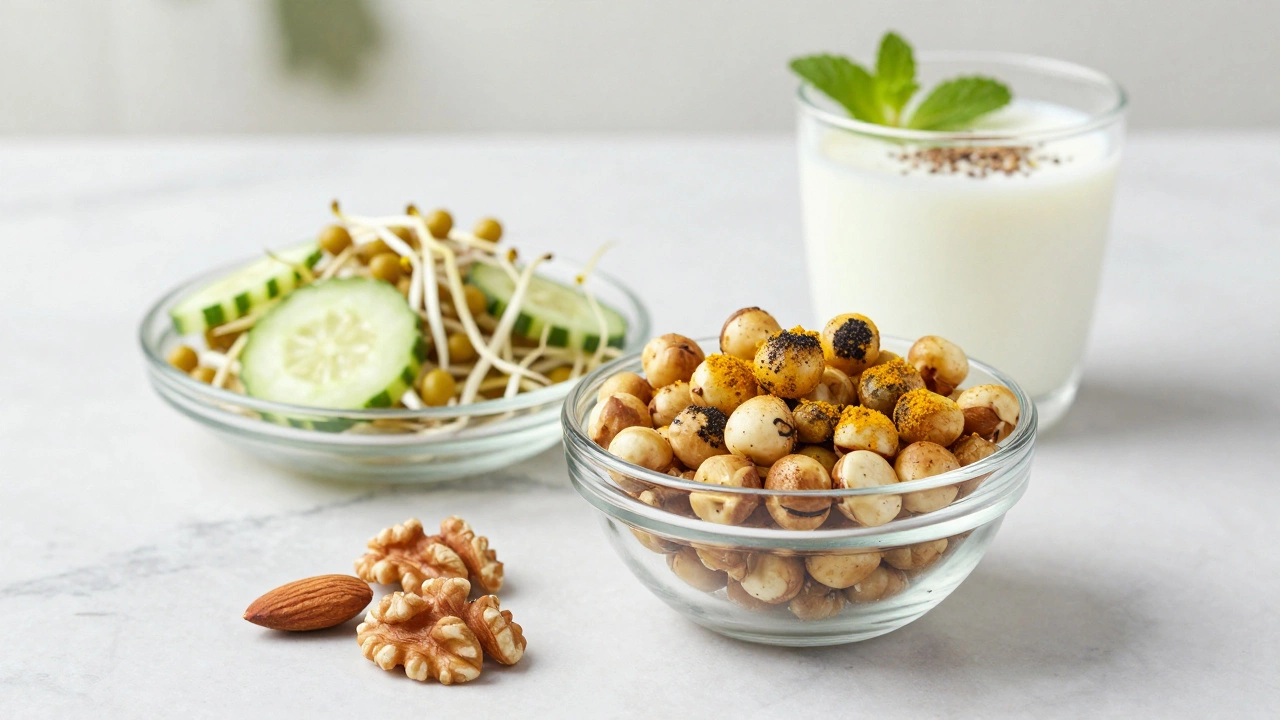
Snacking in India has traditionally been healthier than the modern trend of packaged chips and cookies. Traditional snacks were often homemade and based on nuts, seeds, and roasted grains. Roasted Makhana (fox nuts), low-calorie, high-fiber snacks that are rich in magnesium and antioxidants, are a perfect alternative to fried namkeen. You can roast them with a little turmeric and black salt for a savory crunch.
Another great option is Sprouts, particularly moong bean sprouts, which are high in protein and enzymes that aid digestion. Eating them raw in salads or lightly sautéed adds volume and nutrition without heaviness. Nuts like almonds and walnuts, soaked overnight and peeled, provide healthy fats and omega-3 fatty acids. Avoiding deep-fried items like samosas and pakoras regularly is crucial for maintaining a healthy weight and reducing inflammation.
Beverages: Hydration with Purpose
What you drink is just as important as what you eat. Green Tea, increasingly popular in urban India, contains catechins that boost metabolism and provide antioxidant benefits. However, traditional drinks hold their own. Coconut Water, widely available in tropical regions, is a natural electrolyte drink that hydrates better than sports beverages.
Avoid sugary sodas and packaged juices. Instead, opt for fresh fruit chaats or infused waters. Lemon water with a pinch of rock salt and cumin powder is a refreshing morning drink that kickstarts digestion. Remember, milk is healthy, but drinking large quantities of whole milk daily can add significant saturated fat. Opt for skimmed or toned milk if you are lactose intolerant or watching your fat intake.
| Food Item | Nutritional Benefit | Health Consideration |
|---|---|---|
| White Rice | Quick energy source | High glycemic index; causes blood sugar spikes |
| Millets (Ragi/Finger Millet) | High calcium, fiber, and iron | Low glycemic index; sustainable energy |
| Fried Samosa | Taste satisfaction | High trans fats and calories; inflammatory |
| Roasted Makhana | Low calorie, high fiber | Heart-healthy snack alternative |
| Sugary Lassi | Cooling effect | High sugar content; leads to insulin resistance |
| Plain Dahi/Yogurt | Probiotics, protein, calcium | Supports gut health and immunity |
Building a Balanced Plate
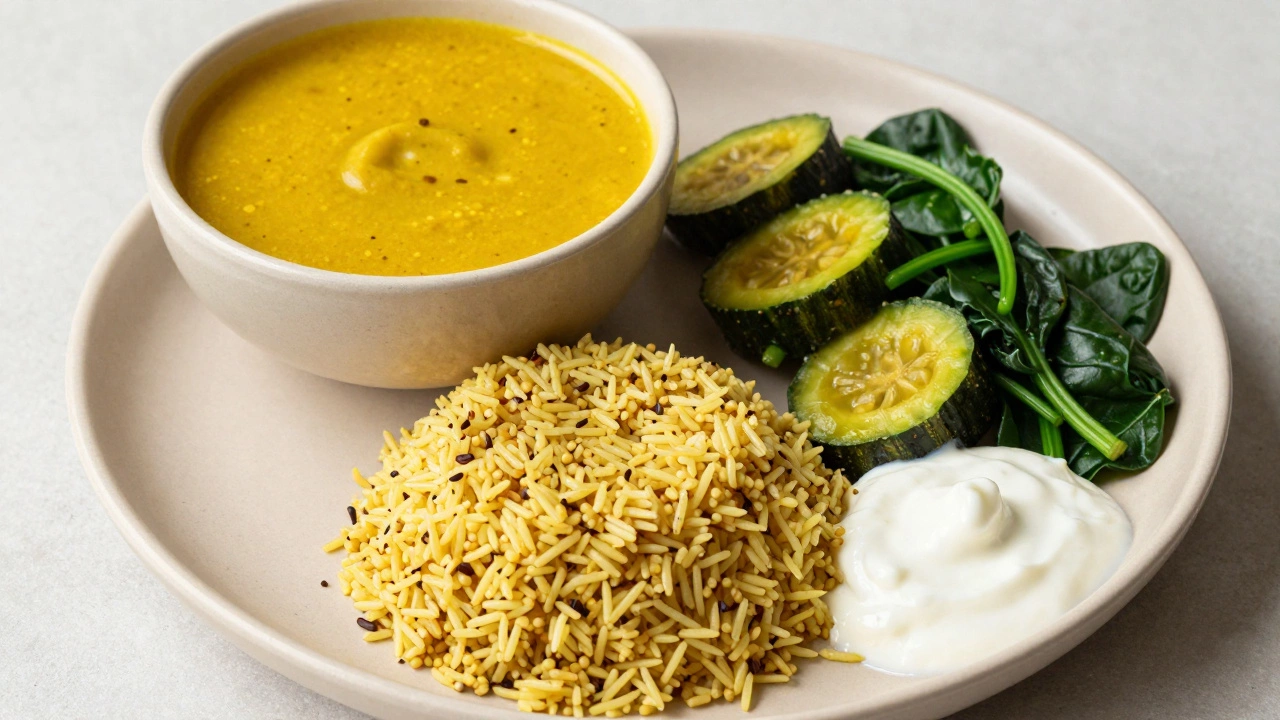
The healthiest Indian meal is not defined by a single ingredient but by balance. Aim for a plate that includes a portion of whole grains, a serving of dal or legumes, a generous amount of vegetables, and a small dollop of yogurt. This combination ensures you get carbohydrates for energy, protein for muscle repair, fiber for digestion, and probiotics for gut health. The spices used in preparation will further enhance nutrient absorption and provide anti-inflammatory benefits.
Avoid the trap of thinking "healthy" means bland. Indian food is inherently flavorful. Use herbs like cilantro, mint, and curry leaves to add freshness without salt. Reduce the amount of oil used for frying and switch to steaming, boiling, or dry roasting methods. By making these small adjustments, you can enjoy the rich heritage of Indian cuisine while supporting your long-term health goals.
Is Indian food generally healthy?
Traditional Indian food can be very healthy due to its reliance on spices, lentils, and seasonal vegetables. However, modern restaurant versions often contain excess oil, salt, and sugar. The healthiness depends on preparation methods and ingredient choices.
What are the best Indian breakfast options for weight loss?
Opt for high-protein and high-fiber options like vegetable upma made with semolina or oats, idli with sambar, or moong dal chilla. Avoid poori and paratha which are high in refined carbs and fat.
Can I eat rice if I am diabetic?
Yes, but in moderation and preferably brown rice or millets. Pair rice with plenty of fiber-rich vegetables and protein sources like dal to slow down sugar absorption. Portion control is critical.
Which spices are most beneficial for health?
Turmeric, ginger, cumin, fenugreek, and black pepper are highly beneficial. They aid digestion, reduce inflammation, and boost immunity. Incorporating these into daily cooking provides cumulative health benefits.
What is the healthiest Indian snack?
Roasted makhana, sprouted moong salad, and a handful of soaked almonds are among the healthiest snacks. They provide sustained energy without causing blood sugar spikes or adding empty calories.