Tender Chicken: Tips, Techniques, and Flavor Tricks
Did you ever wonder why some chicken bites melt in your mouth while others feel rubbery? When working with tender chicken, chicken that stays juicy and soft after cooking. Also known as soft chicken, it forms the heart of countless Indian dishes and is the goal of every home cook. The secret starts with marination, soaking meat in a seasoned liquid before heat hits. A good marination not only tenderizes but also opens up the fibers for deeper flavor absorption. Pair that with the right spices, ground or whole flavor powerhouses like cumin, coriander, and turmeric, and you set the stage for a dish that sings.
Why Tender Chicken Matters in Indian Cooking
Indian kitchens love bold curry, a sauce‑based dish featuring a mix of spices, aromatics, and often dairy or tomatoes. When the chicken stays tender, the curry’s sauce clings better, delivering that layered taste in every spoonful. Think of the classic butter chicken or a fiery chettinad, where the meat’s softness balances the heat. Without proper tenderness, the meat can turn gritty, stealing the spotlight from the sauce. That’s why chefs stress timing: adding garlic and ginger at the right stage, as one of our featured posts explains, locks in aroma while protecting the meat’s texture.
Heat control is another piece of the puzzle. Whether you’re using a smoky tandoor, a hot skillet, or a gentle oven bake, the method determines how quickly proteins denature. A quick sear in a tandoor creates that charred crust while keeping the inside juicy—a trick highlighted in our tandoori chicken guide. Conversely, over‑cooking in a pan can squeeze out moisture, leaving the chicken dry. By mastering the balance between high heat for flavor and low heat for moisture, you can turn any cut into tender perfection.
Acidity plays a quiet but powerful role. A splash of lemon juice in a biryani marinade, for instance, not only brightens flavor but also helps break down muscle fibers, making the meat softer. The same principle works for any chicken dish: a little yogurt, buttermilk, or even a pinch of vinegar can act as a natural tenderizer. This is why many recipes call for a brief soak before grilling or roasting. The acid‑protein interaction is quick, yet it leaves a lasting impact on texture.
Don’t forget the aromatics that build depth before the meat even hits the heat. Adding ginger and garlic at the right cooking stage, as discussed in our timing guide, prevents bitterness and maximizes their health benefits. When these aromatics mingle with spices during the early simmer, they create a flavor base that seeps into the chicken, keeping it moist and aromatic throughout.
All these techniques—marination, spice pairing, heat management, acidity, and aromatic timing—interlock to produce the ultimate tender chicken experience. Below you’ll find a curated list of articles that dive deep into each of these areas, from the science behind lemon‑induced tenderness to the secrets of a perfect tandoori crust. Use them as a roadmap, experiment in your kitchen, and soon every chicken dish you serve will have that melt‑in‑your‑mouth quality you’ve been chasing.
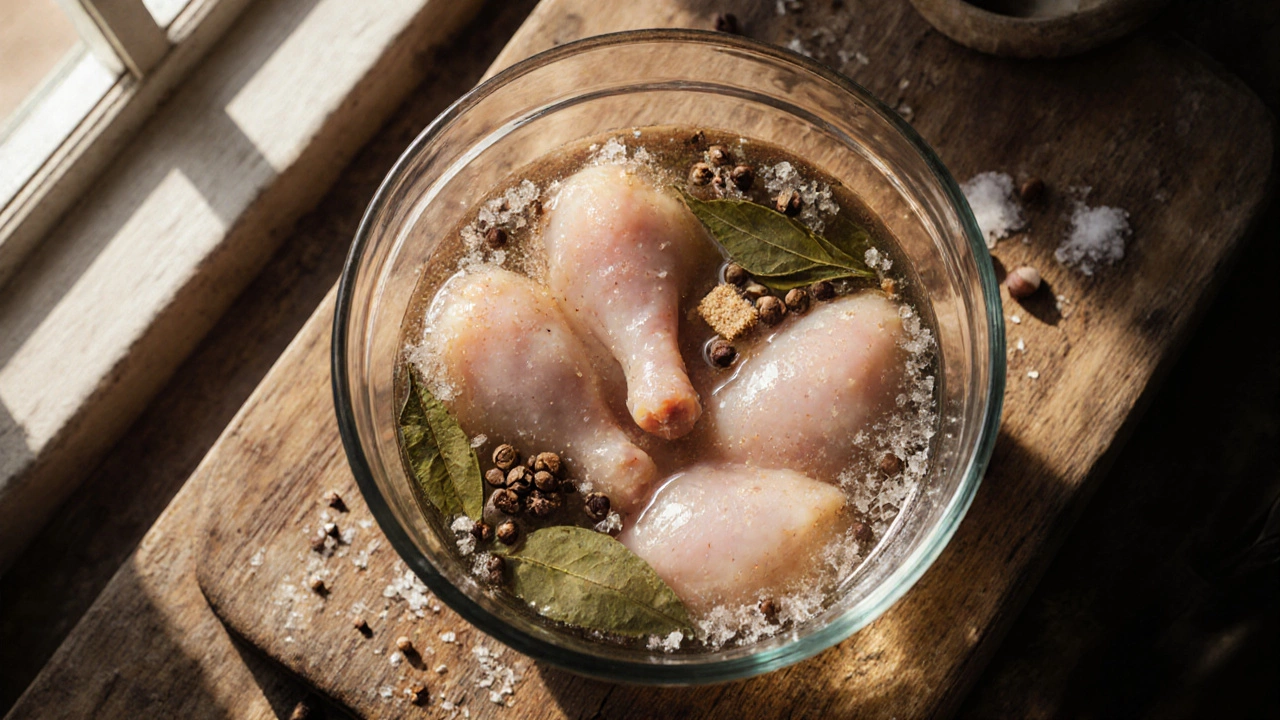
Best Soaks to Make Chicken Tender - Simple Tips for Juicy Results
Discover the best liquids to soak chicken for ultimate tenderness. Learn brining, buttermilk, yogurt, citrus, and enzymatic methods with timing, ratios, and tips.