Vegan Indian Dishes: Common Plant‑Based Recipes Across India
 Oct, 26 2025
Vegan Dish Checker
Check if Your Indian Dish is Vegan
Enter a dish name to see if it's naturally vegan or how to make it vegan-friendly. Based on traditional Indian cooking knowledge.
Vegan Indian dishes are plant‑based preparations from the diverse culinary traditions of India that contain no meat, dairy, eggs, or honey. They rely on legumes, vegetables, grains, nuts, and aromatic spices to create rich, satisfying flavors. Whether you’re a longtime vegan, a curious traveler, or simply looking to cut down on animal products, knowing which dishes are naturally vegan helps you eat confidently at home or in a restaurant.
Key Takeaways
- Most north‑Indian dals, south‑Indian coconut‑based stews, and many street‑food snacks are inherently vegan.
- Watch out for hidden dairy like ghee, paneer, yogurt, or cream; they often sneak into recipes.
- Regional specialties such as Chana Masala (Punjab), Aloo Gobi (Uttar Pradesh), and Sambar (Tamil Nadu) are reliably vegan.
- Simple swaps-replace ghee with oil, dairy yogurt with coconut yogurt-turn many classic dishes vegan.
- A quick vegan meal plan can be built around a few core dishes: dal, rice, flatbread, and a stir‑fried vegetable.
What Makes a Dish Vegan?
A dish qualifies as vegan when it contains no animal‑derived ingredients. In the Indian context, the usual culprits are:
- Ghee (clarified butter)
- Paneer (cottage cheese)
- Yogurt or curd
- Milk, cream, or butter
- Eggs (used in some batters or biryanis)
Spices, herbs, legumes, nuts, seeds, and plant oils are all safe. If a recipe lists “cooking oil” without specifying ghee, it’s generally vegan, but double‑check when dining out.
Regional Highlights of Naturally Vegan Dishes
India’s culinary map is divided into five broad zones. Each zone offers a set of dishes that are traditionally prepared without any animal products.
North India
Staples include wheat‑based breads and hearty chickpea‑based gravies. Two stand‑outs are:
- Chana Masala: Chickpeas simmered in a tomato‑onion‑spice blend. Served with bhature or rice.
- Aloo Gobi: Cauliflower and potatoes tossed with turmeric, cumin, and coriander. No dairy required.
South India
Rice, coconut, and lentils dominate here. Naturally vegan dishes include:
- Sambar: A tamarind‑scented lentil stew packed with vegetables like drumstick, carrot, and pumpkin.
- Coconut Chutney: Fresh coconut, green chilies, and mustard seeds ground into a creamy dip (no dairy needed).
- Idli: Steamed rice‑and‑urad dal cakes. Traditionally dairy‑free and perfect with sambar.
West India
Gujarat and Maharashtra bring a mix of sweet and savory vegan options:
- Dal Dhokla: A steamed snack made from fermented rice‑and‑lentil batter, often served with green chutney.
- Thepla: Spiced flatbread using fenugreek leaves, whole‑wheat flour, and oil.
- Bhindi Masala: Okra sautéed with onion, tomato, and mustard seeds.
East India
Rice and mustard flavors dominate Bengal and Odisha:
- Masoor Dal: Red lentil cooked with ginger, garlic, and a mustard‑seed tempering.
- Pakhala (fermented rice water) often served with fried vegetables-naturally vegan.
- Aloo Posto: Potatoes cooked with poppy‑seed paste, a classic Bengali dish without dairy.
Central India
Heartland flavors highlight simple, hearty fare:
- Rajma: Kidney beans in a thick tomato‑onion gravy, typically served with rice.
- Poha: Flattened rice flakes sautéed with peanuts, curry leaves, and mustard seeds.
- Sabudana Khichdi: Tapioca pearls cooked with potatoes and peanuts, common during fasting periods and vegan by default.
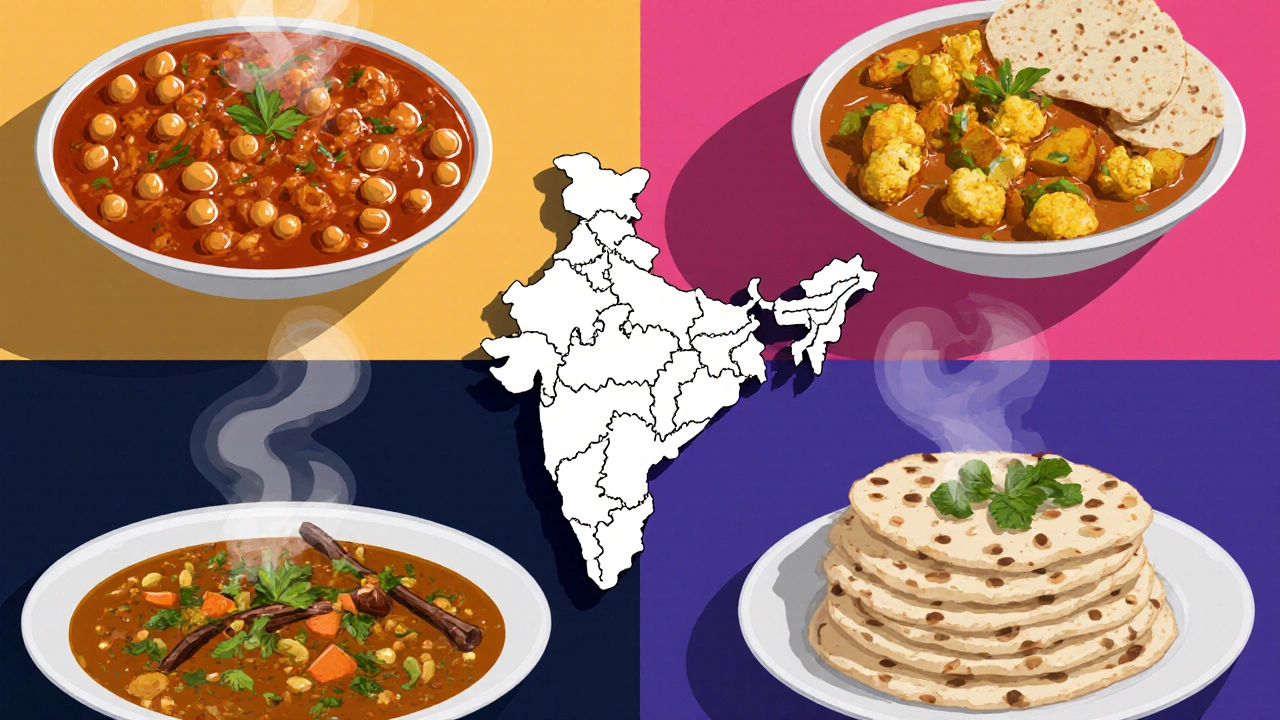
Comparison of Common Vegan Indian Dishes
| Dish | Main Ingredient(s) | Typical Region | Vegan Status |
|---|---|---|---|
| Chana Masala | Chickpeas, tomatoes, onions | North India | ✅ |
| Aloo Gobi | Potatoes, cauliflower | North India | ✅ |
| Sambar | Lentils, tamarind, mixed veg | South India | ✅ |
| Rajma | Kidney beans, tomatoes | Central India | ✅ |
| Poha | Flattened rice, peanuts | Central India | ✅ |
| Masoor Dal | Red lentils, mustard seeds | East India | ✅ |
Turning Non‑Vegan Classics Vegan
Many beloved Indian recipes use ghee or paneer by default. Simple swaps keep the flavor while staying plant‑based:
- Replace ghee with a neutral oil (sunflower, canola) or coconut oil for a subtle aroma.
- Swap paneer with tofu cubes marinated in turmeric and lemon juice.
- Use coconut yogurt or soy yogurt instead of dairy curd in raitas and marinades.
- Skip cream in kormas; blend cashews or soaked almonds with water to create a silky sauce.
- For biryanis that call for egg, add extra vegetables or chickpeas for protein.
These tweaks require minimal effort but make a big difference if you’re dining out or cooking for a vegan family.
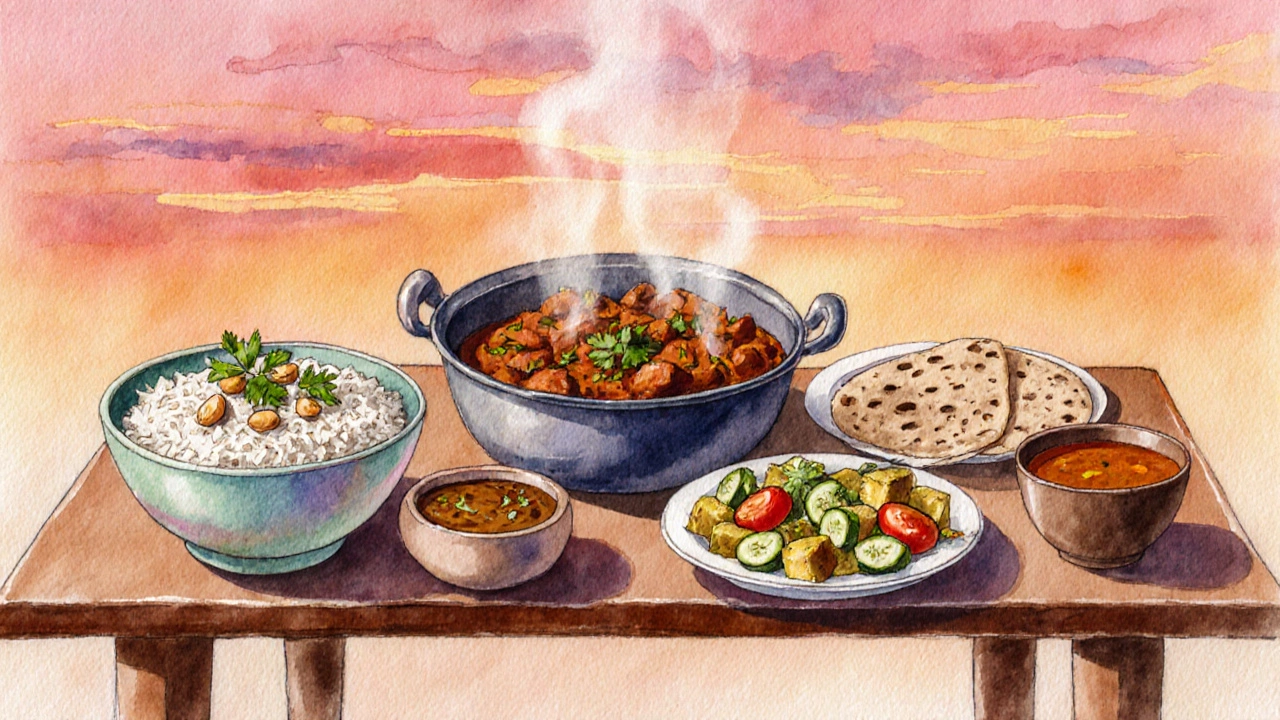
Sample One‑Day Vegan Indian Meal Plan
Putting the dishes together creates a balanced day of protein, carbs, and healthy fats.
- Breakfast: Poha with peanuts and fresh cilantro, served with coconut chutney.
- Mid‑morning snack: A handful of roasted chana (spiced chickpeas).
- Lunch: Rajma with brown basmati rice, side of cucumber‑tomato salad dressed in lemon‑olive‑oil.
- Afternoon tea: Masala chai made with almond milk.
- Dinner: Aloo Gobi with whole‑wheat roti and a small bowl of sambar.
This plan hits around 60 g of protein, plenty of fiber, and diverse micronutrients from turmeric, cumin, and leafy greens.
Common Pitfalls to Watch Out For
Even when you pick a dish labeled “vegan,” restaurants sometimes add hidden dairy:
- Ghee in tempering - ask for oil instead.
- Yogurt in raita - request coconut or soy yogurt.
- Paneer in curries - ask if tofu can be used.
- Butter in naans - many kitchens bake plain flour naan without butter; confirm.
When in doubt, read the menu description carefully or ask the chef. Most places in Bengaluru and other metro cities are familiar with vegan requests.
Frequently Asked Questions
Are most Indian street foods vegan?
A large portion of street snacks are naturally vegan - think bhel puri (puffed rice, veggies, tamarind sauce), sev, roasted corn, and tikki made from potatoes. However, be cautious of butter‑based bhajjis or papadums fried in ghee.
Can I find vegan options in traditional Indian restaurants?
Yes. Many restaurants now label dishes as "vegan" or "pure veg" - the latter often means no meat but may still contain dairy. Ask for "no ghee" or "no paneer" to be safe.
Is lentil soup (dal) always vegan?
Most dal recipes are vegan, but some South Indian versions add a splash of ghee at the end. Request "tempering with oil only" and you’re good.
What are good protein sources in Indian vegan cooking?
Legumes (chickpeas, kidney beans, lentils), soy products (tofu, soy chunks), nuts (peanuts, cashews), and seeds (pumpkin, sesame) all deliver high‑quality protein.
How do I make a vegan version of rich gravies like korma?
Blend soaked cashews or roasted almonds with water to create a creamy base. Add coconut milk for extra richness, and use spices as usual. The result mimics the silkiness of dairy‑based korma without any animal product.