What Are the 5 Types of Dal? A Simple Guide to Common Indian Lentils
 Jan, 2 2026
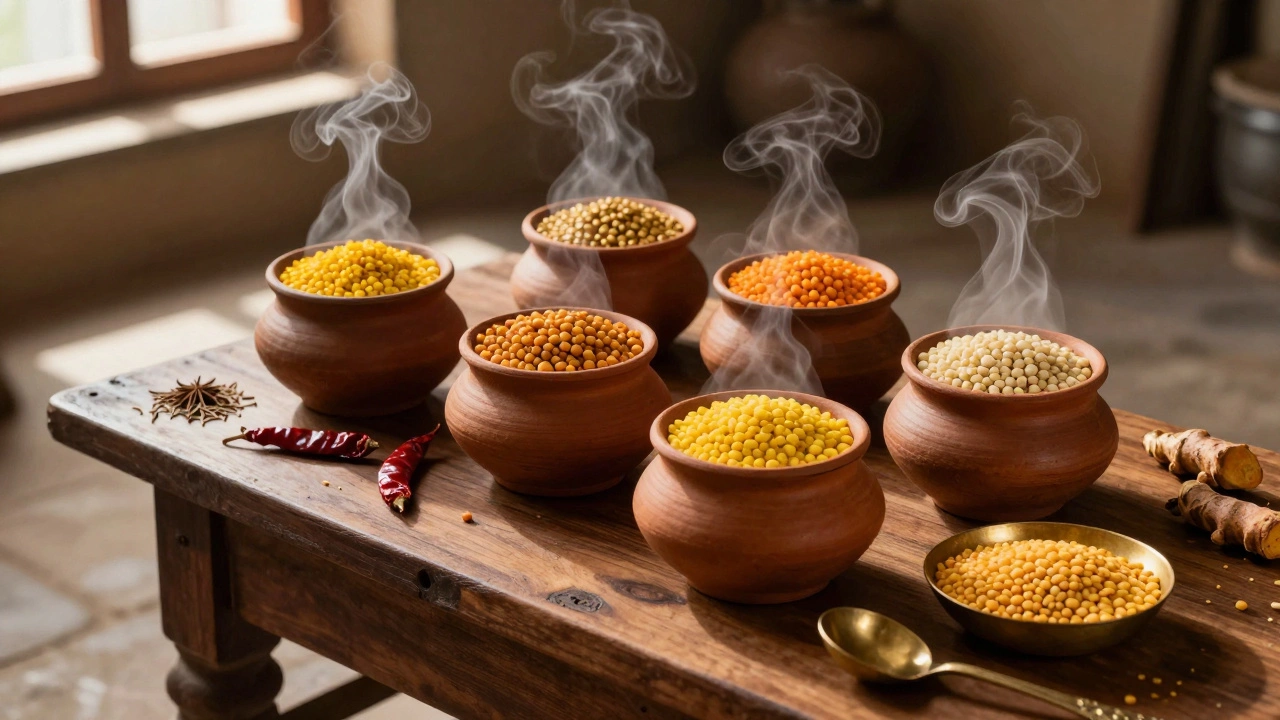
If you’ve ever eaten a bowl of warm dal with rice or roti, you’ve tasted one of India’s most loved comfort foods. But not all dal is the same. The word "dal" doesn’t just mean lentils-it refers to a whole family of split pulses, each with its own flavor, texture, and best use in the kitchen. Knowing the five main types of dal helps you cook better, eat healthier, and understand why some dals take longer to cook or pair better with certain spices.
Toor Dal (Split Pigeon Peas)
Toor dal is the most common dal you’ll find in Indian homes. It’s yellow, slightly earthy, and holds its shape well after cooking. This is the dal used in sambar, the tangy vegetable stew from South India, and also in everyday dal tadka. It cooks faster than whole lentils but still needs about 20-25 minutes on the stove. Toor dal is rich in protein and fiber, and it’s often the first dal introduced to babies because it’s easy to digest. You’ll see it labeled as "arhar dal" in some regions. It’s the backbone of many North and South Indian meals.
Moong Dal (Split Mung Beans)
Moong dal comes in two forms: yellow (split and skinned) and green (whole or split with skin). The yellow version is the most popular for dal recipes-it’s mild, sweet, and cooks in under 15 minutes. It’s perfect for quick weeknight meals or when you want a light, soothing dish. Moong dal is also used in sweet dishes like moong dal halwa and in snacks like moong dal vada. Nutritionally, it’s one of the cleanest lentils-low in fat, high in folate, and easy on the stomach. Many people eat it during fasting days because it’s considered pure and light.
Chana Dal (Split Chickpeas)
Chana dal isn’t a lentil-it’s made from hulled and split brown chickpeas. It’s small, golden, and has a nutty, slightly sweet flavor. Unlike other dals, chana dal takes longer to cook-about 30-40 minutes-and often needs soaking. It’s the key ingredient in dal fry, a thick, spicy North Indian dish, and also used in snacks like chana dal papdi and sweets like besan ladoo. Chana dal is packed with protein and complex carbs, making it a great energy source. It’s also a favorite in diabetic-friendly meals because it has a low glycemic index.
Masoor Dal (Split Red Lentils)
Masoor dal is the fastest-cooking dal you’ll find. It breaks down easily into a creamy texture, making it ideal for soups, stews, or simple dal with just garlic and cumin. It’s bright orange-red when whole, but turns a soft yellow when split and skinned. This dal is often called "red lentil" in Western stores. It’s rich in iron and folate, and cooks in just 10-12 minutes without soaking. Masoor dal is a staple in many households because it’s affordable, quick, and doesn’t need fancy spices to taste good. It’s also a go-to for postpartum meals in many parts of India because it’s gentle and nourishing.
Urad Dal (Split Black Gram)
Urad dal is small, black, and has a rich, earthy flavor. When split and skinned, it turns white and becomes creamy when cooked. It’s the main ingredient in dosa and idli batter, and also used in dal makhani-the creamy, buttery North Indian favorite slow-cooked for hours. Whole urad dal is used in snacks like papadum, and the split version is great for dal tadka with a thick, velvety texture. It’s high in protein, magnesium, and iron, and is often recommended for people recovering from illness. Unlike other dals, urad dal benefits from soaking overnight, which cuts cooking time and improves digestibility.
Why These Five? What About Others?
You might have heard of rajma dal or kidney beans, or even lobia (black-eyed peas). But those aren’t classified as "dal" in traditional Indian cooking. Dal specifically refers to split, skinned pulses that cook quickly and form the base of everyday meals. The five types above are the ones you’ll find in every Indian grocery store, used in 90% of home kitchens. Other lentils like sabut masoor (whole red lentils) or whole urad are used too, but they’re more for specialty dishes or snacks. If you’re learning to cook dal, start with these five-they’re the foundation.
How to Cook Dal Like a Pro
Here’s what you need to know to get perfect dal every time:
- Always rinse dal under cold water until the water runs clear. This removes dust and reduces foam.
- Soak urad dal and chana dal for 30 minutes to 2 hours-this makes them cook faster and easier to digest.
- Use a 1:3 ratio of dal to water for a thick dal, or 1:4 for a soupier version.
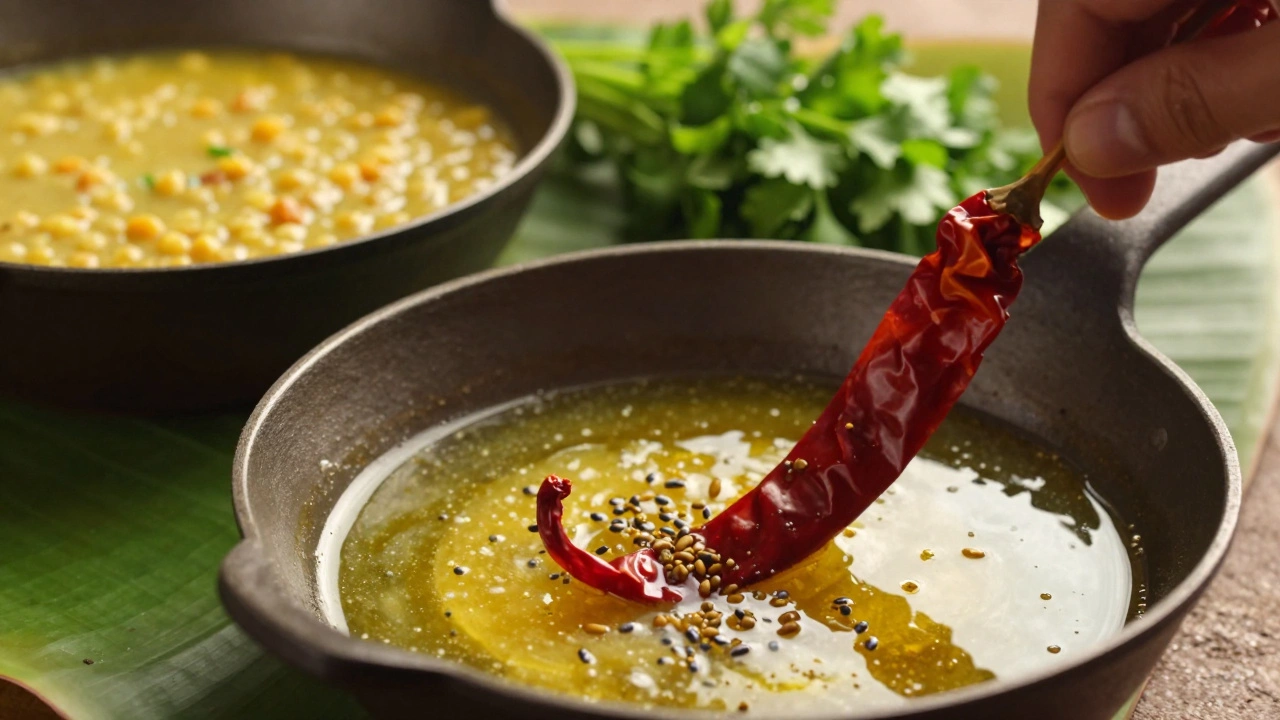
- Tadka (tempering) is non-negotiable. Heat oil or ghee, add cumin, mustard seeds, dried red chilies, and garlic. Pour it hot over the cooked dal-it unlocks flavor.
- Don’t overcook masoor or moong dal. They turn mushy fast. Stop cooking when they’re soft but still hold shape.
Which Dal Is Best for You?
Each dal has a different nutritional profile and digestive effect:
- For protein and energy: Urad dal and chana dal
- For quick meals: Masoor dal and moong dal
- For digestion: Moong dal and toor dal
- For iron-rich meals: Masoor dal and urad dal
- For diabetics: Chana dal and moong dal
If you’re eating dal daily, rotate them. Don’t stick to just one. Each brings different nutrients to the table. Mixing them up also keeps meals interesting.
Simple Dal Recipe to Try Today
Here’s a basic masoor dal you can make in 20 minutes:
- Rinse 1 cup red lentils until water runs clear.
- Boil with 3 cups water, a pinch of turmeric, and salt. Simmer 10-12 minutes until soft.
- Heat 1 tbsp ghee in a small pan. Add 1 tsp cumin seeds, 2 dried red chilies, 2 minced garlic cloves. Sizzle for 30 seconds.
- Pour the tempering over the cooked dal. Stir. Garnish with fresh coriander.
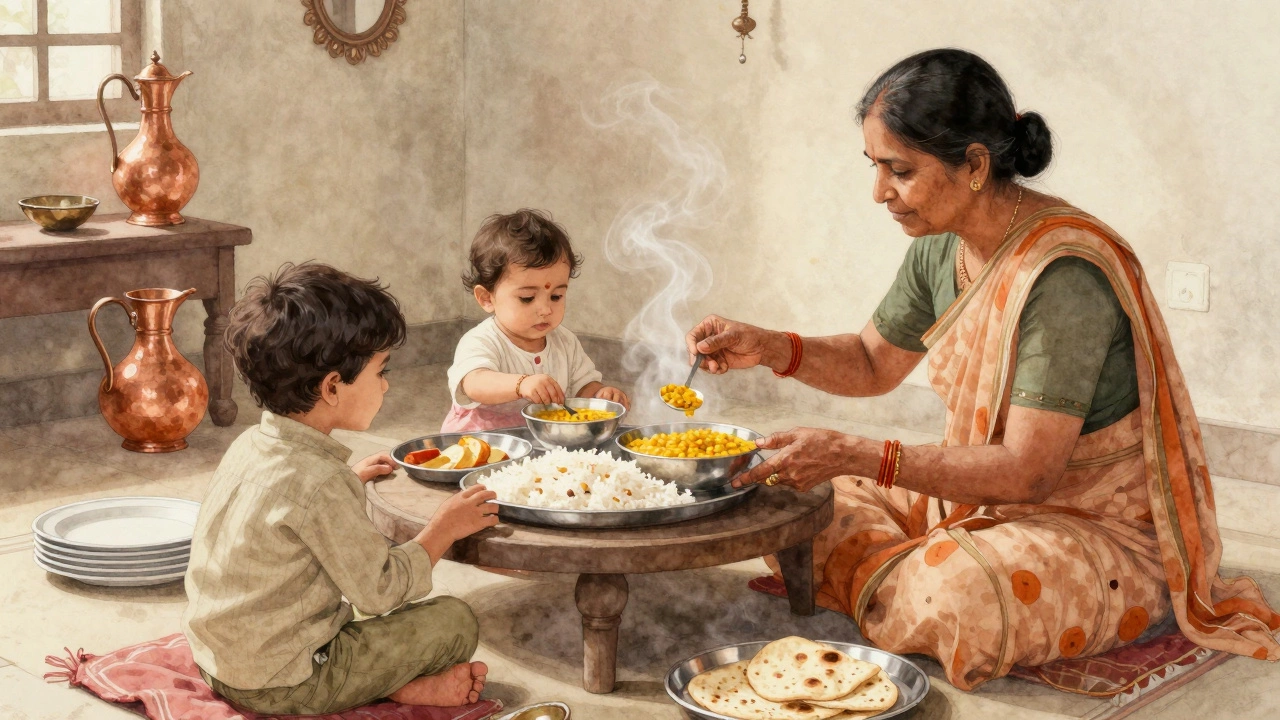
Serve with steamed rice or roti. That’s it. No fancy ingredients. Just pure, comforting flavor.
Final Thoughts
Dal isn’t just food. It’s culture, tradition, and daily care packed into a bowl. Knowing the five main types lets you cook with confidence and choose the right one for your needs-whether you’re feeding a baby, recovering from illness, or just craving something warm and simple. Start with one, learn its rhythm, then try the others. You’ll find that each dal has its own personality, and together, they make Indian cooking so rich and varied.
What is the difference between dal and lentils?
In India, "dal" refers to split and often skinned pulses-like split red lentils or split chickpeas. "Lentils" is a broader Western term that includes whole pulses too. So all dal is a type of lentil, but not all lentils are dal. For example, whole brown lentils aren’t called dal until they’re split and skinned.
Can I substitute one type of dal for another?
Yes, but with changes in texture and flavor. You can swap moong dal for masoor dal in a soup-they both cook fast and turn soft. But don’t substitute chana dal for toor dal in sambar. Chana dal is nuttier and holds shape longer, which changes the dish’s character. For best results, match the cooking time and texture you need.
Why does my dal taste bitter?
Bitterness usually comes from not rinsing the dal properly. Dust or debris can leave a bitter aftertaste. Also, burning the tadka-especially garlic or cumin-can make the whole dish bitter. Always cook the tempering on low heat and don’t let the spices brown too much. If you’re using urad dal, make sure it’s fresh-old dal can turn bitter over time.
Which dal is best for weight loss?
Moong dal and masoor dal are your best bets. They’re low in fat, high in fiber, and digest quickly, helping you feel full without adding calories. They also don’t require heavy ghee or cream to taste good. Cook them with minimal oil, add veggies, and skip the cream-based toppings.
How long can I store cooked dal?
Cooked dal lasts 3-4 days in the fridge if stored in an airtight container. For longer storage, freeze it in portions. It freezes well and tastes just as good after thawing. Just reheat with a splash of water to bring back the texture.
Next time you’re at the grocery store, pick up one dal you’ve never tried. Cook it simply. Taste it. You might just find your new favorite.