What Country Eats the Least Sugar? Global Data and Low-Sugar Indian Sweets
 May, 5 2026
Daily Sugar Intake & Sweet Substitution Calculator
Enter the amount of added sugar you consume from various sources per day.
See how swapping refined sugar for healthier alternatives impacts your intake.
Who Actually Eats the Least Sugar?
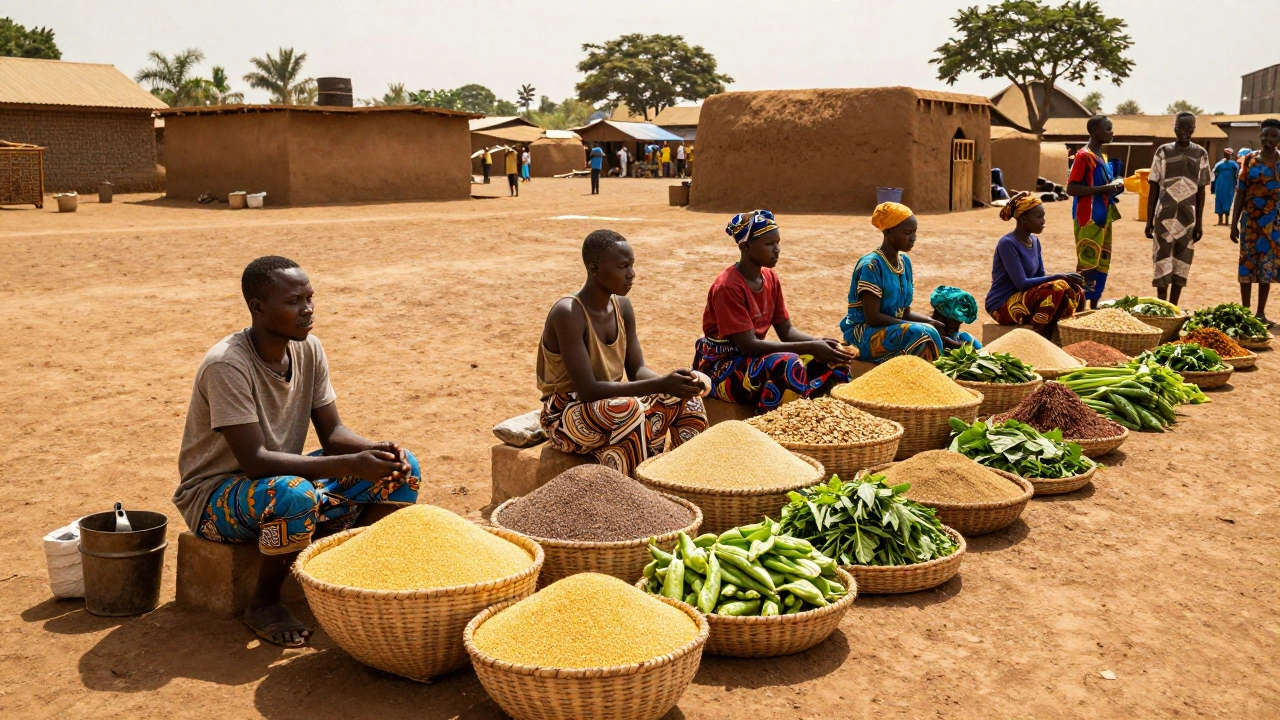
If you look at global health statistics, one name keeps popping up as the outlier: Burkina Faso. According to data from the World Health Organization (WHO), this West African nation has consistently recorded some of the lowest daily sugar intakes in the world. The average person there consumes roughly 10 to 15 grams of sugar per day. That is barely more than a single teaspoon.
But here is the catch. Low sugar intake does not always mean better health outcomes. In many developing nations, low sugar consumption often correlates with limited access to processed foods and higher rates of food insecurity. When we talk about "eating less sugar" in a way that actually improves your life, we need to separate voluntary dietary choices from economic necessity.
For most of us living in countries with abundant food supplies, the question isn't just "who eats the least?" It is "how can I eat less without sacrificing flavor or culture?" This is especially tricky for people who love rich, traditional foods like Indian desserts.
The Global Sugar Landscape
To understand where we stand, let's look at the other end of the spectrum. Countries like the United States, Mexico, and Russia top the charts for highest sugar consumption. The average American eats over 100 grams of added sugar daily-more than six times the WHO recommendation. This excess intake is directly linked to rising rates of type 2 diabetes, heart disease, and obesity.
In contrast, Mediterranean countries like Greece and Italy tend to have moderate sugar intake. Their diets rely heavily on whole fruits, vegetables, and natural fats rather than refined sugars. This pattern suggests that it is not just about cutting out sugar entirely, but replacing it with nutrient-dense alternatives.
| Country | Average Daily Intake (grams) | Dietary Context |
|---|---|---|
| Burkina Faso | 10-15g | Limited processed food access |
| Senegal | 18-22g | Traditional whole-food diet |
| Japan | 30-35g | Low-sugar culinary traditions |
| India | 40-45g | Mix of traditional and modern diets |
| United States | 100-120g | Highly processed food environment |
Why India’s Sugar Story Is Complicated
Living in Mumbai, I see this tension every day. On one hand, India has a deep cultural heritage of using spices, herbs, and natural sweeteners. On the other hand, the rapid urbanization and rise of packaged snacks have pushed average sugar intake upward. While India doesn't rank among the worst offenders globally, the trend is moving in the wrong direction.
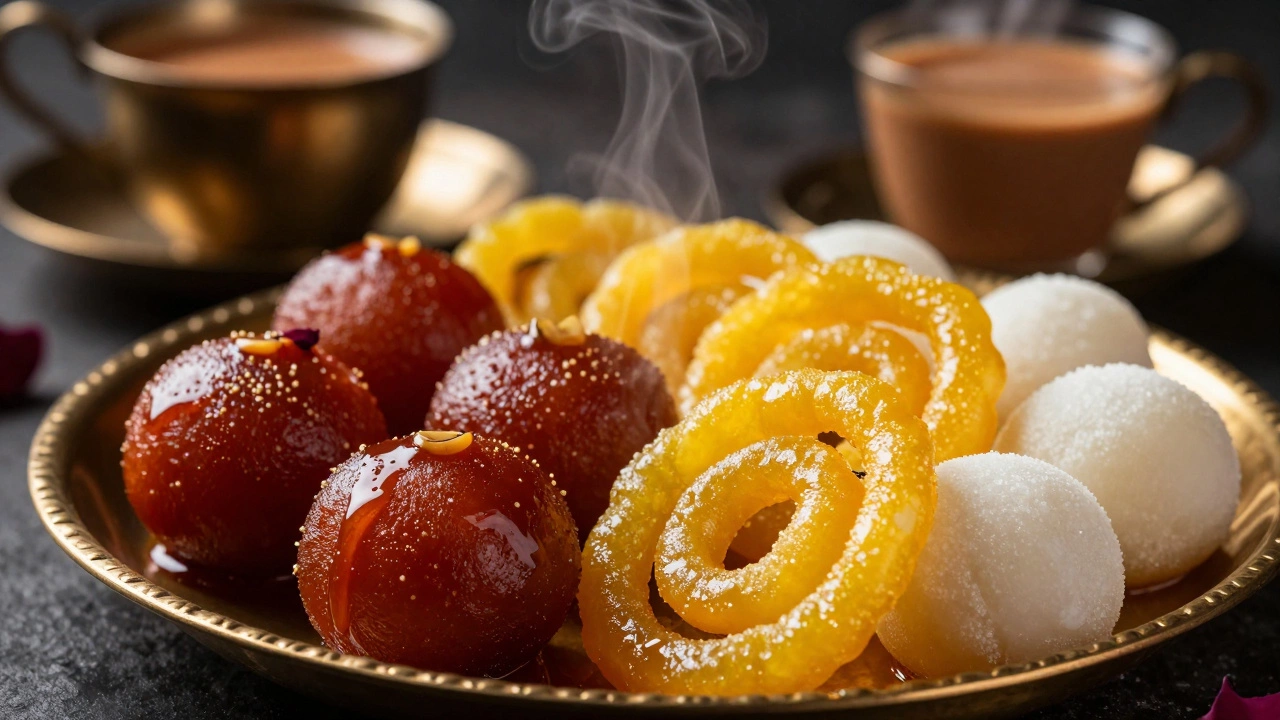
The real challenge for many Indians is not soda or candy-it is our beloved sweets. Traditional Indian sweets like Gulab Jamun, Rasgulla, and Jalebi are made with significant amounts of refined sugar and ghee. These treats are central to festivals, weddings, and family gatherings. Cutting them out completely feels culturally jarring.
So, how do we reconcile the desire for lower sugar intake with the joy of eating authentic Indian desserts? The answer lies in smart substitutions and mindful preparation.
Smart Substitutions for Indian Sweets
You don’t need to abandon tradition to improve your health. Here are practical ways to reduce sugar in popular Indian sweets without losing their soul:
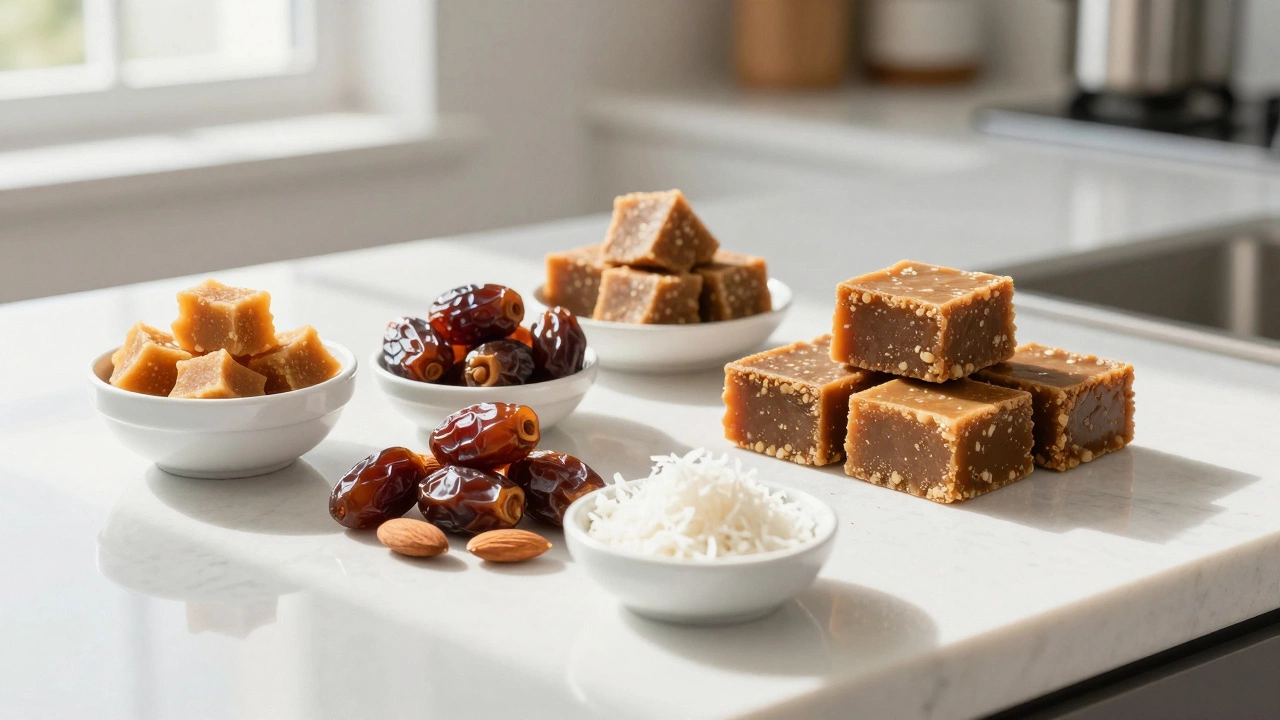
- Use Jaggery Instead of White Sugar: Jaggery (or Gud) contains iron, magnesium, and potassium. While it still has calories, it offers more nutritional value than refined sugar. Use it in Peda or Ladoo recipes.
- Stevia or Monk Fruit: For syrups in Gulab Jamun or Kheer, zero-calorie sweeteners like Stevia can cut sugar content by up to 90%. Just be careful with quantities, as these are much sweeter than sugar.
- Date Syrup: If you are making Barfi or energy balls, date syrup adds moisture and sweetness along with fiber. It prevents blood sugar spikes compared to pure sucrose.
- Reduce, Don’t Eliminate: Start by cutting the sugar in your recipe by 25%. Your palate will adjust over time, and you’ll likely find the original version too sweet later.
Low-Sugar Indian Sweet Recipes
Let’s put this into practice. Here are two simple, delicious recipes that keep sugar low but flavor high.
1. Coconut and Cardamom Laddoos (Low-Sugar Version)
These laddoos use fresh coconut and minimal jaggery, relying on the natural fat and aroma of cardamom for richness.
- Grate 2 cups of fresh young coconut.
- Roast it lightly in a pan until fragrant (about 5 minutes).
- Add ½ cup of finely grated jaggery (not powdered sugar).
- Stir in 1 tsp of crushed green cardamom powder.
- Cook on low heat until the mixture holds together when pressed.
- Shape into small balls while warm.
Each laddoo contains only about 8 grams of sugar, compared to 15+ grams in traditional versions.
2. Spiced Date and Almond Bars
No baking required. This snack satisfies sweet cravings with natural fruit sugars and protein.
- Pit and chop 1 cup of Medjool dates.
- Blend with ½ cup of almonds, 1 tbsp of almond butter, and a pinch of cinnamon.
- Press into a tray and refrigerate for 1 hour.
- Cut into squares.
These bars provide sustained energy without the crash associated with refined sugar.
The Hidden Sugars You’re Missing
While we focus on sweets, remember that sugar hides in plain sight. In India, common culprits include:
- Chaat Masala: Often contains hidden sugar to balance tanginess.
- Pickles: Many commercial pickles add sugar for preservation.
- Yogurt Drinks: Flavored lassi or chaas often have added sugar even if they taste mild.
- Sauces: Ketchup, tomato sauce, and even some chutneys are loaded with sugar.
Reading labels is your best defense. Look for terms like "sucrose," "high-fructose corn syrup," "maltose," or "glucose-fructose solution."
How to Train Your Palate
Your taste buds are adaptable. If you currently eat high-sugar foods, everything tastes bland when you switch to low-sugar options. But after 2-3 weeks of reducing intake, your sensitivity to sweetness increases. Natural fruits start tasting sweeter. Unsweetened tea becomes enjoyable. This biological shift is powerful and scientifically backed.
Start small. Replace one sugary habit per week. Swap afternoon chai with milk and sugar for herbal tea with a slice of lemon. Choose fruit instead of pastry for dessert. Over time, these changes compound into significant health benefits.
FAQs About Low-Sugar Diets
Is it safe to eliminate all sugar from my diet?
No, you should not eliminate all sugar. Your body needs glucose for energy. However, you can drastically reduce *added* sugars. Focus on getting carbohydrates from whole foods like fruits, vegetables, and legumes, which contain fiber and nutrients alongside natural sugars.
Does jaggery have less sugar than white sugar?
Jaggery has roughly the same amount of sugar as white sugar by weight. However, it retains trace minerals like iron and zinc due to minimal processing. It is a healthier choice nutritionally, but you still need to consume it in moderation.
Can I use stevia in traditional Indian sweets?
Yes, but texture matters. Stevia works well in syrups (like for Gulab Jamun) or baked goods. It does not caramelize like sugar, so it won’t work for recipes requiring crystallization or thickening via sugar reduction. Use it sparingly as it is much sweeter.
Why do countries with low sugar intake sometimes have poor health metrics?
Low sugar intake in countries like Burkina Faso is often driven by lack of access to diverse foods, not dietary choice. These populations may face malnutrition, lack of healthcare, or high rates of infectious diseases. Correlation does not equal causation; context matters.
How much sugar should I aim for daily?
The World Health Organization recommends limiting added sugars to less than 10% of total daily calories. Ideally, aim for under 5% (about 25 grams or 6 teaspoons) for additional health benefits. For an average adult, this means no more than 50-100 grams of total sugar from all sources.