What Desserts Are Popular in India? Top Traditional Sweets You Must Try
 Feb, 20 2026
Indian Dessert Recommender
Find Your Perfect Indian Sweet
Answer a few questions to discover which traditional Indian desserts match your preferences.
Walk into any Indian home during Diwali, Eid, or even a random Sunday, and you’ll find a tray of colorful sweets waiting to be shared. Indian desserts aren’t just after-meal treats-they’re part of the culture, the rituals, the celebrations. From sticky, syrup-soaked gulab jamun to creamy, cardamom-scented kheer, India’s sweet traditions are as diverse as its languages. If you’ve ever wondered what desserts Indians actually eat every day, here’s the real list-not the tourist brochures, but the ones that show up on dinner tables, temple offerings, and wedding buffets.
Khoya-Based Sweets: The Heart of Indian Mithai
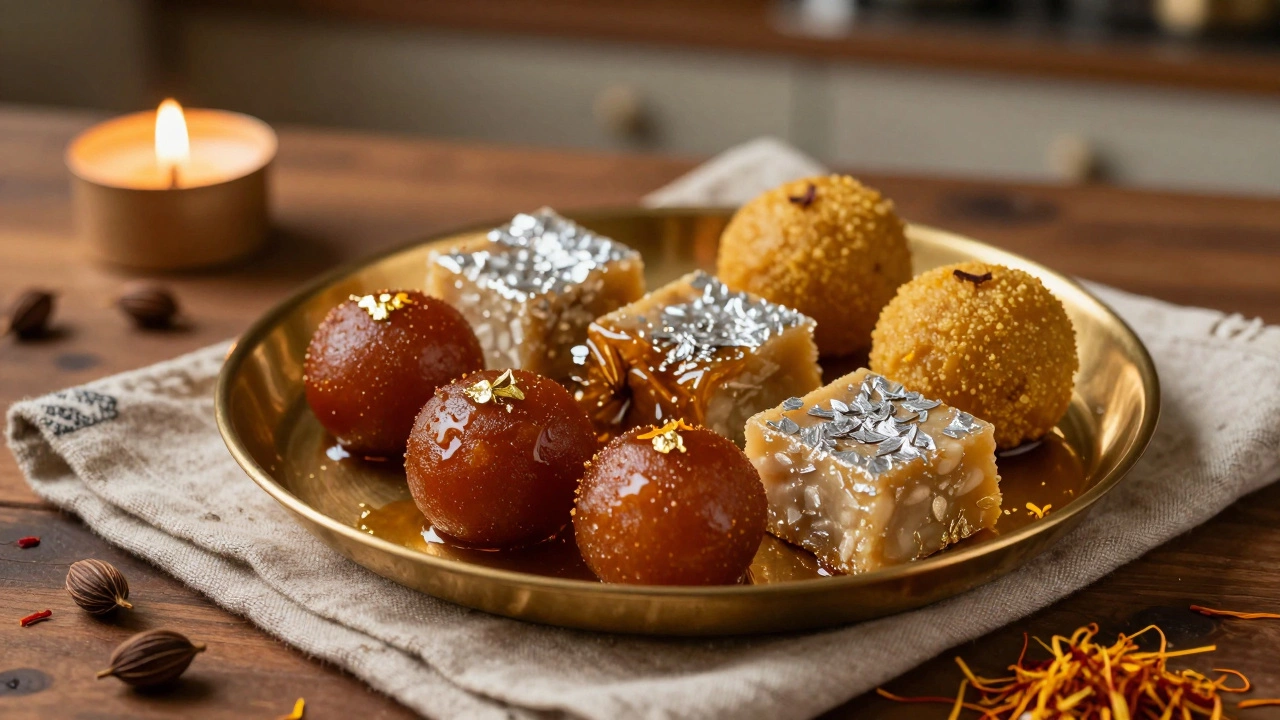
Khoya, or milk solids, is the unsung hero of Indian desserts. Made by slowly simmering milk until it thickens into a dense, creamy paste, khoya gives sweets their rich, melt-in-your-mouth texture. Kheer is a rice pudding made with khoya, milk, sugar, and cardamom, often garnished with saffron and nuts. It’s served at every major celebration, from baby showers to funerals. Then there’s Barfi, a firm, square-shaped sweet that comes in dozens of variations-pumpkin, coconut, almond, and the classic milk barfi. It’s pressed into molds, sliced, and dusted with edible silver leaf for special occasions.
In Mumbai, you’ll find Ladoos everywhere. Made from roasted gram flour, ghee, and sugar, besan ladoo is a staple during Ganesh Chaturthi. But the real star is Shankarpali, a crispy, diamond-shaped cookie fried in ghee and dipped in sugar syrup. It’s crunchy, sweet, and impossible to eat just one.
Deep-Fried Delights: The Crunch You Can’t Ignore
India’s sweetest fried treats are made with flour, milk solids, or semolina, then dunked in sugar syrup. Gulab Jamun is soft, deep-fried dough balls soaked in warm sugar syrup flavored with rose water and cardamom. They’re served hot or cold, often with a scoop of vanilla ice cream now-a modern twist that started in Delhi’s cafes and spread nationwide.
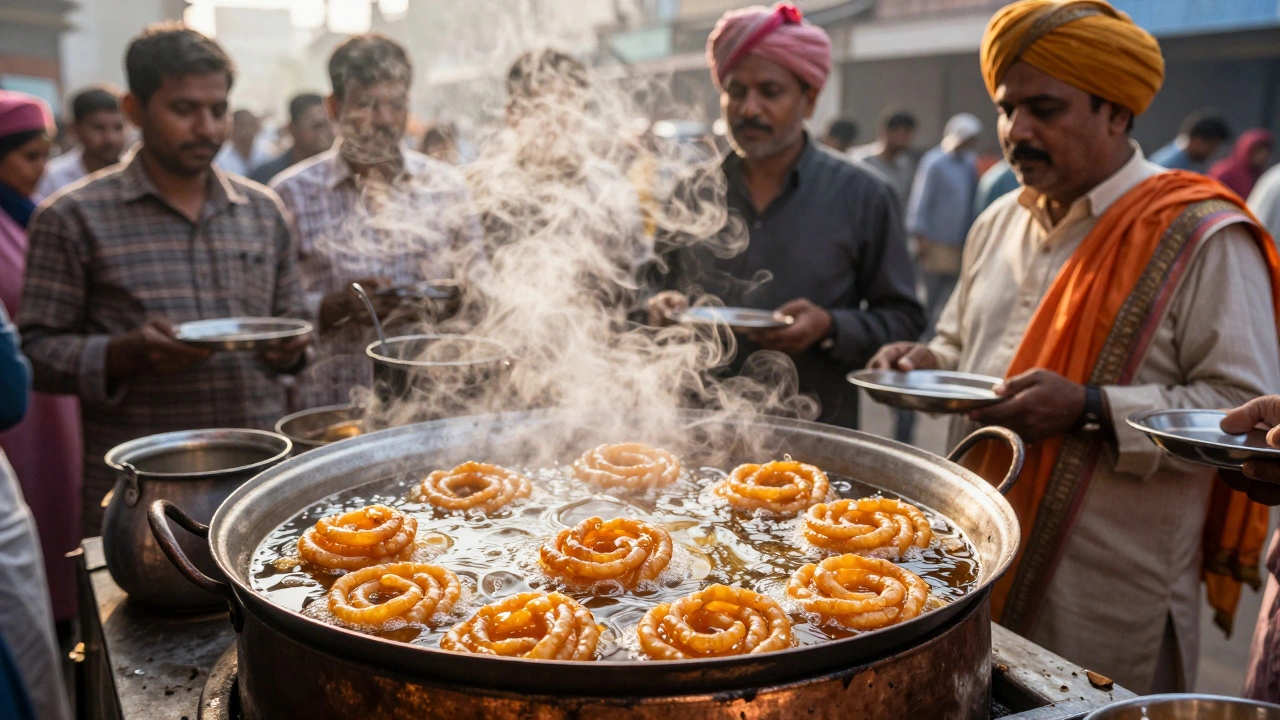
Jalebi is another favorite. Made by piping fermented batter into hot oil in spiral shapes, then soaking them in syrup, jalebi is best eaten fresh. In Lucknow and Varanasi, you’ll find street vendors selling them warm at dawn, right after morning prayers. The syrup should be thick enough to cling to the fry, not drip off. If it drips, it’s not done right.
Then there’s Sohan Papdi, a flaky, layered sweet from Rajasthan. Made with gram flour, sugar, ghee, and nuts, it’s cut into squares and packed with layers of texture-crispy, chewy, and nutty all at once.
Coconut and Rice-Based Sweets: South India’s Sweet Signature
While North India leans on khoya and ghee, South India’s desserts rely on coconut, jaggery, and rice. Payasam is the southern cousin of kheer, made with rice, vermicelli, or lentils, cooked in coconut milk and sweetened with jaggery. In Kerala, it’s often flavored with cardamom and topped with fried cashews. In Tamil Nadu, they use broken rice and add a pinch of saffron.
Halwa here isn’t made with semolina-it’s made with ripe plantains or carrots. Ada Pradhaman from Kerala is a thick, creamy dessert made with rice flour discs, coconut milk, and jaggery. It’s slow-cooked for hours until the flavors meld into something deeply aromatic. You’ll find it only during Onam, the state’s biggest festival.
And let’s not forget Undhiyu-wait, no, that’s a savory dish. But Mysore Pak is the real star. A dense, golden-yellow sweet made from gram flour, ghee, and sugar, it melts in your mouth like fudge. It’s so rich that one piece is usually enough. Originally from Mysore, it’s now sold in every sweet shop from Bangalore to Bhubaneswar.
Modern Twists: Where Tradition Meets Innovation
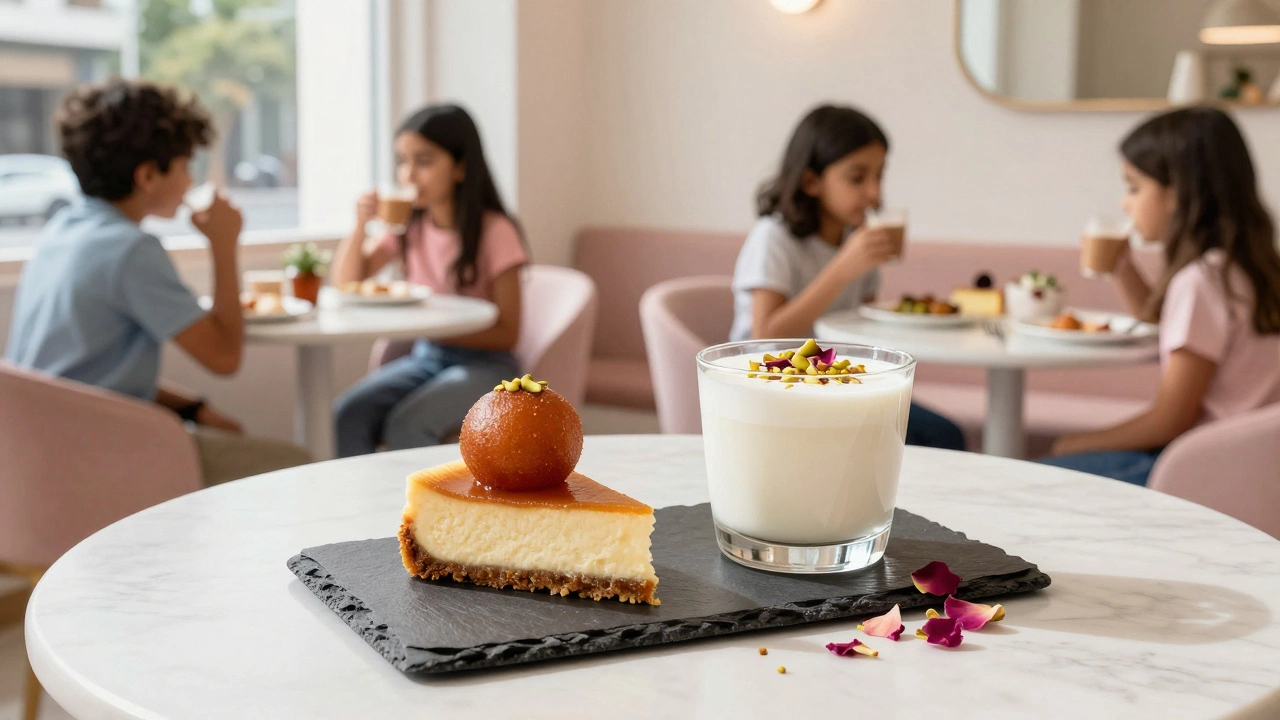
Younger generations aren’t abandoning tradition-they’re reinventing it. In Pune and Bengaluru, you’ll find Dry Fruit Ladoo made with dates instead of sugar, and Kheer served cold with almond milk. Dessert cafes in Delhi are serving Gulab Jamun Cheesecake and Jalebi Ice Cream Cones. Even the classic Rasgulla now comes in pistachio and mango flavors.
But here’s the truth: no matter how fancy the twist, Indians still crave the original. The real test? Ask someone what they ate on their last birthday. Nine out of ten will say, “My mother’s ladoos.” That’s the heartbeat of Indian desserts-not Instagram, not fusion, but home.
Why These Sweets Still Dominate
These desserts aren’t popular because they’re trendy. They’re popular because they’re tied to memory. The smell of ghee frying in a kadai. The sound of syrup bubbling. The way your grandmother would press a warm ladoo into your hand after a long day. They’re made with patience, with love, and with ingredients that don’t need a label.
Unlike Western cakes, which rely on butter and eggs, Indian sweets are built on milk, sugar, and spices that have been used for centuries. They’re naturally vegetarian, often vegan-friendly, and rarely need refrigeration. That’s why they travel well-packed in tins, carried on trains, sent as gifts across states.
And yes, they’re sweet. But not cloying. The balance is intentional. Cardamom cuts the sugar. Saffron adds depth. Nuts give texture. It’s not just sugar-it’s a layered experience.
Where to Find the Best Indian Sweets
If you’re in India, skip the big-brand sweet shops. Go local. In Kolkata, head to Balaram Sweets for rasgulla so soft it falls apart in your fingers. In Jaipur, try Rawat Sweets for their jalebi that’s still warm from the fryer. In Chennai, Parvati Sweets makes payasam with coconut milk from their own trees. In Mumbai, Gajanan Sweets on Dadar’s main road still makes shankarpali the old way-with hand-rolled dough and ghee from cow’s milk.
Outside India? Look for stores that sell fresh, not vacuum-sealed. If the sweet looks shiny and plastic, it’s been sitting in a warehouse. Real Indian sweets have a soft glow, not a glossy sheen.
What is the most popular Indian dessert nationwide?
Ladoo, especially besan ladoo, is the most widely loved across India. It’s simple, affordable, and tied to religious festivals like Diwali and Ganesh Chaturthi. Almost every household makes it at least once a year, and it’s the go-to gift during celebrations.
Are Indian sweets unhealthy?
Yes, most traditional Indian sweets are high in sugar and fat, especially those made with khoya and ghee. But they’re not meant to be eaten daily. They’re reserved for special occasions. Many families now use jaggery instead of sugar, coconut milk instead of cream, and reduce oil to make them lighter. The key is moderation-not elimination.
Can I make Indian sweets at home without special equipment?
Absolutely. You don’t need fancy tools. A heavy-bottomed pan, a wooden spoon, and patience are all you need. Making gulab jamun or kheer takes time, not technology. Many recipes use just milk, sugar, flour, and spices-all available in any grocery store. The real challenge? Learning to recognize when the syrup is ready-just a drop in cold water should form a soft ball.
What’s the difference between kheer and payasam?
Kheer is the North Indian version, made with milk, rice, and sugar, often with cardamom and saffron. Payasam is the South Indian version, which often uses coconut milk, jaggery, and sometimes lentils or vermicelli. The texture is thicker in payasam, and the flavor is more earthy due to jaggery.
Which Indian sweet is the easiest for beginners to make?
Kheer is the easiest. You just simmer rice or vermicelli in milk until thick, then add sugar and spices. No frying, no shaping, no syrup control. It’s forgiving, slow-cooked, and hard to ruin. Perfect for first-timers.
If you want to taste what real Indian sweetness feels like, start with one thing: a homemade ladoo. Make it with love, not perfection. That’s the secret no recipe book will tell you.