What Gives Curry More Flavor? Essential Ingredients and Techniques for Richer Chicken Curry
 Jan, 6 2026
Ever made chicken curry and felt like something was missing? It’s not undercooked. It’s not too spicy. It’s just… flat. Like it’s missing its soul. That’s not your fault. Most home cooks skip the real flavor builders-the ones that turn a simple pot of chicken and tomatoes into something that lingers on your tongue and makes you want to lick the bowl.
It’s Not Just the Spices
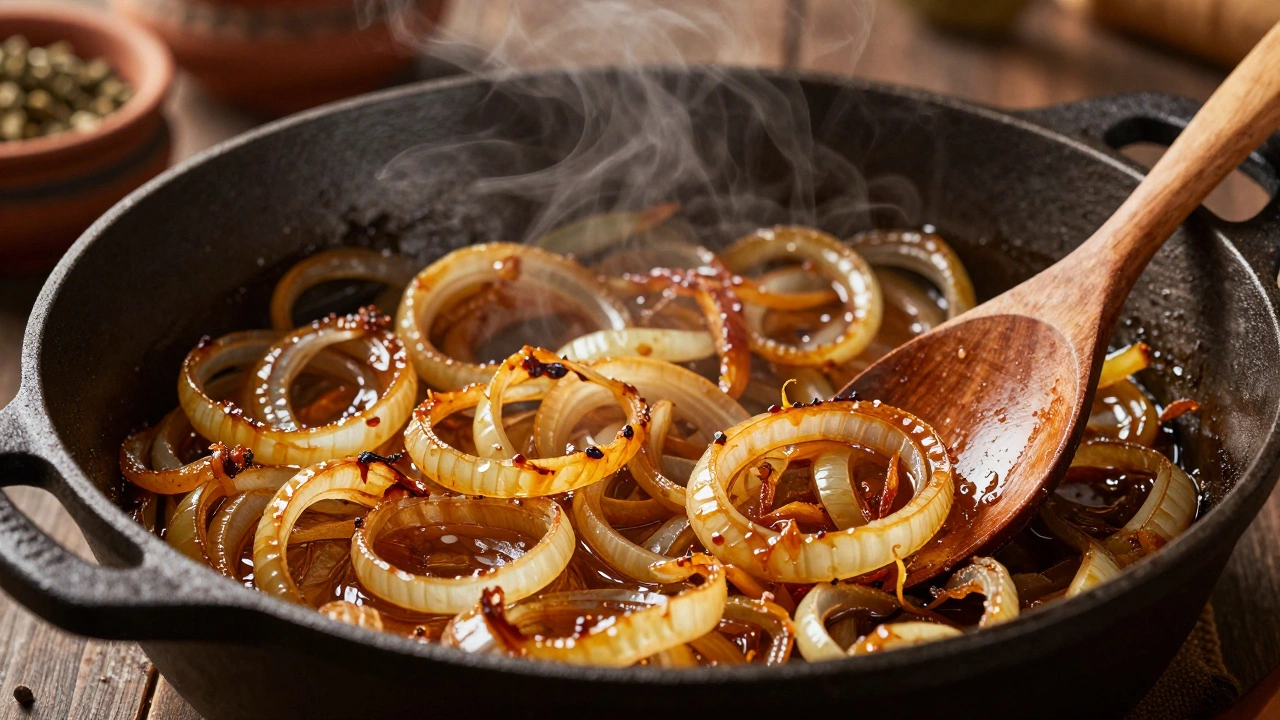
People think curry flavor comes from garam masala or cumin. It doesn’t. Those are the finishing touches. The real depth comes from what you do before you even add them. Start with onions. Not chopped. Not sliced. Slowly caramelized. Cook them over low heat for 20 to 30 minutes until they turn deep brown and sticky. That’s not just sweetness-it’s Maillard reaction, the same chemical magic that gives grilled steak its crust. This step alone adds a layer of richness no spice jar can replicate.Then there’s garlic and ginger. Don’t just toss them in. Grind them into a paste with a little water. Use a mortar and pestle if you can. The texture matters. When you fry this paste in hot oil, it doesn’t just cook-it transforms. The raw bite vanishes. In its place comes a deep, earthy aroma that smells like a village kitchen in Punjab. Skip this, and your curry tastes like it came from a packet.
The Oil Matters More Than You Think
Most recipes say “add oil.” They don’t say what kind. For real flavor, use mustard oil. It’s pungent, almost sharp when raw. But heat it until it just starts to smoke, then let it cool a bit. That’s when the harshness burns off and leaves behind a nutty, almost smoky base. If you can’t find mustard oil, use ghee. It’s clarified butter, and it carries spices better than any vegetable oil. It doesn’t burn. It doesn’t taste greasy. It just… holds everything together.And don’t forget the tempering. After you add your curry paste and cook it for a few minutes, turn off the heat. Pour a spoonful of hot oil over the top. Add a pinch of asafoetida (hing), a few dried red chilies, and a teaspoon of mustard seeds. Let them sizzle. The smell alone will make your mouth water. This step, called tadka, is what separates restaurant-style curry from home-cooked.
Tomatoes Are the Secret Acid
Tomatoes aren’t just for color. They’re your acid. But raw tomatoes? They’ll make your curry taste sour and watery. Cook them down until they break apart and turn into a thick, jammy sauce. Use ripe, in-season tomatoes. If you’re using canned, go for whole San Marzano. Drain the juice. Add the tomatoes, then simmer for 15 minutes. Let the water evaporate. That’s when the natural sugars concentrate and the acidity mellows. You’re not adding tomato flavor-you’re building a base that lets the spices sing.The Spice Order Is Everything
Adding all your spices at once is like throwing every instrument into an orchestra at the same time. No one can hear the violin. The order matters. Start with whole spices-cumin seeds, fenugreek, cardamom pods. Toast them in oil for 30 seconds. They release oils you can’t get from ground versions. Then add ground coriander. It’s mild, earthy. Let it cook for a minute. Then turmeric. It’s delicate. Burn it, and it turns bitter. After that, add chili powder. Then, finally, garam masala. Stir it in at the very end. That’s when the volatile oils stay bright and fresh. If you add garam masala at the start, it’s gone by the time you serve it.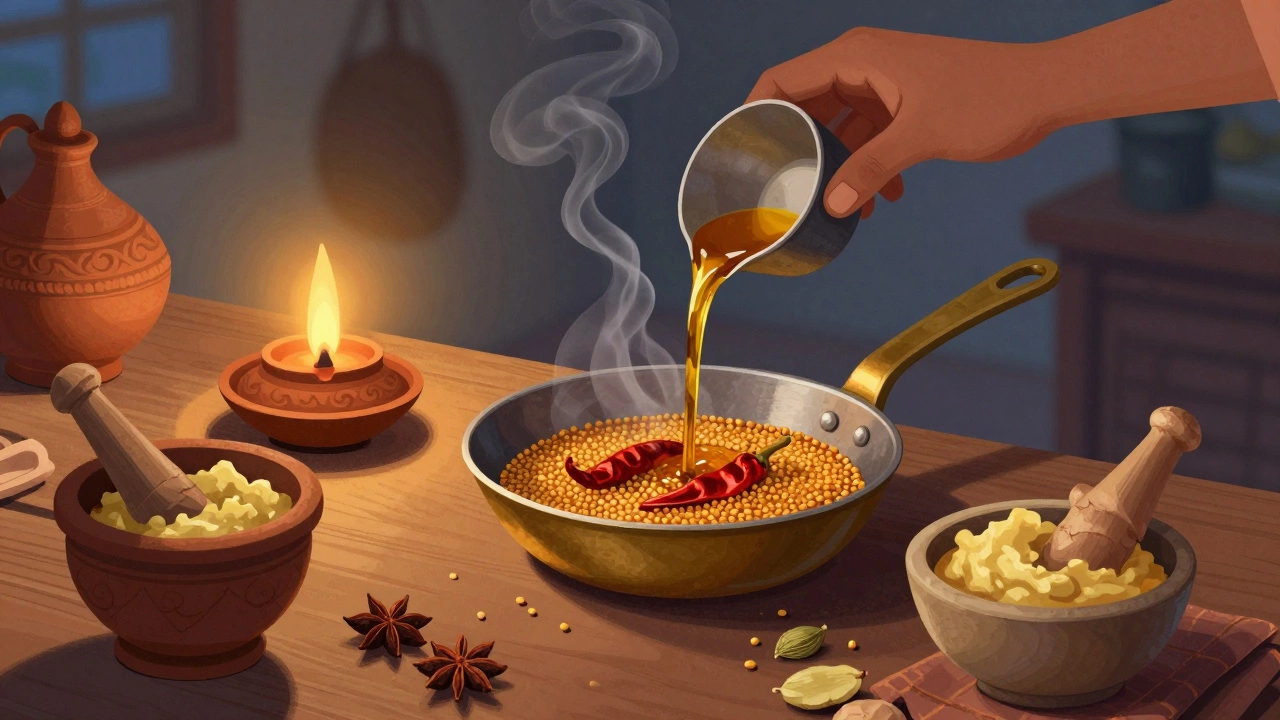
Slow Cooking Isn’t Optional
Chicken curry isn’t a 20-minute meal. It’s a three-hour love letter. Brown the chicken pieces first-don’t just drop them in raw. Sear them until they’re golden on all sides. Then add your spice base. Let it cling to the meat. Then add liquid-water, broth, or coconut milk. Bring it to a gentle bubble. Then turn the heat down so low the surface barely ripples. Cover it. Walk away for 90 minutes. The collagen in the chicken breaks down. The fat melts. The spices sink in. What you get isn’t just tender chicken. It’s meat that falls off the bone and soaks up every drop of flavor.Finish With Freshness
The last thing you add is the brightness. Fresh cilantro. A squeeze of lime. A sprinkle of amchoor (dry mango powder). These aren’t garnishes. They’re flavor reset buttons. They cut through the richness. They wake up the palate. Skip this, and your curry feels heavy. Add it, and it sings. Even if you’ve done everything right, this step is what turns good into unforgettable.What to Avoid
Don’t use pre-ground spices older than six months. They lose their oils. Taste them. If they smell like dust, throw them out. Don’t add salt too early. It pulls moisture out of the chicken and makes it tough. Wait until the end. Don’t stir too much while simmering. You break down the sauce. Let it rest. Don’t use water as your only liquid. Coconut milk, yogurt, or even a splash of heavy cream adds body. Water dilutes. Fat carries flavor.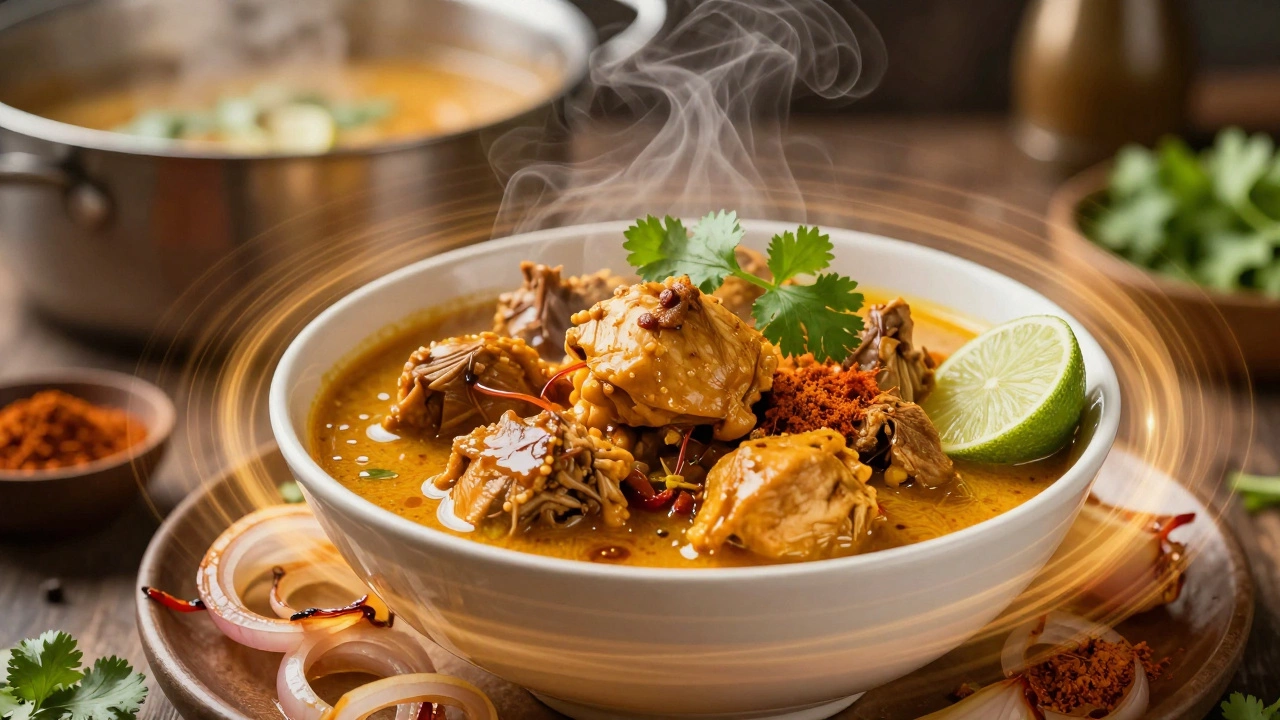
One Trick That Changes Everything
Try this: after your curry simmers for an hour, turn off the heat. Let it sit, covered, for another 30 minutes. The residual heat keeps cooking gently. The flavors keep marrying. It’s the same trick restaurants use. They don’t cook curry right before service. They make it hours ahead. The best chicken curry is the one that’s been resting.| Component | What It Does | How to Use It |
|---|---|---|
| Caramelized Onions | Deep sweetness and umami base | Slow-cook 25-30 mins until dark brown |
| Mustard Oil or Ghee | Carries spices, adds richness | Heat until smoking, then cool slightly |
| Ground Ginger-Garlic Paste | Earthy depth, no raw bite | Fry in oil until aroma blooms |
| Whole Spices (cumin, cardamom, fenugreek) | Complex aroma | Toast in oil before grinding |
| Simmer Time | Collagen breaks down, flavors meld | 90+ minutes on low heat |
| Final Fresh Additions | Balance and brightness | Lime, cilantro, amchoor at the end |
Why Your Curry Tastes Bland (Even If You Followed a Recipe)
Most recipes tell you to add “1 tsp cumin.” They don’t say to toast it. They don’t say to use fresh. They don’t say to cook it long enough. They don’t mention that the oil matters. They assume you know. You don’t. That’s why your curry tastes like a shadow of what it could be. Flavor isn’t in the ingredients. It’s in the process. It’s in the patience. It’s in the heat, the time, the silence while it simmers.Try this next time: make two batches. One the way you always do. One using the steps above. Taste them side by side. You won’t need to ask what gives curry more flavor. You’ll know.
What’s the most important ingredient for chicken curry flavor?
It’s not one ingredient-it’s the sequence. But if you had to pick one, it’s slow-cooked caramelized onions. They build the foundational sweetness and depth that everything else rests on. Without them, even the best spices fall flat.
Can I use store-bought curry powder instead of whole spices?
You can, but you’ll lose complexity. Store-bought curry powder is often stale and blends too many flavors together. It’s like drinking pre-mixed lemonade instead of squeezing fresh lemons. If you must use it, add it after the onions and garlic have cooked, and toast it for a full minute to wake up the oils.
Why does my curry taste bitter?
Most likely, you burned the turmeric or garlic. Turmeric turns bitter if cooked too long over high heat. Garlic burns in seconds. Always cook spices on medium-low, and stir constantly. If you smell smoke, start over. Burnt spices can’t be saved.
Should I add sugar to my curry?
Not directly. The natural sugars in caramelized onions and tomatoes are enough. Adding sugar masks flavor imbalance instead of fixing it. If your curry tastes too sour, add a pinch of amchoor (dry mango powder) instead. It adds tang without sweetness.
How long should I cook chicken curry for the best flavor?
At least 90 minutes on low heat after the chicken is browned. The first 30 minutes builds the sauce. The next 60 lets the meat absorb flavor and become fall-apart tender. Letting it rest for another 30 minutes off the heat makes it even better. The longer it sits, the more the flavors deepen.
Can I make chicken curry ahead of time?
Yes-and you should. Curry tastes better the next day. The spices keep infusing, the fat solidifies and then re-melts, redistributing flavor. Make it a day ahead, refrigerate, then reheat gently. It’s the secret behind most restaurant curries.