What Is Tandoori Mayonnaise? The Spicy Yogurt-Based Condiment Behind Perfect Tandoori Chicken
 Jan, 16 2026
Tandoori Mayo Ingredient Calculator
Make Perfect Tandoori Mayo for Any Quantity
Adjust ingredients for your chicken servings
Your Tandoori Mayo Ingredients
Pro Tip: Always use full-fat yogurt and strain if watery for best texture.
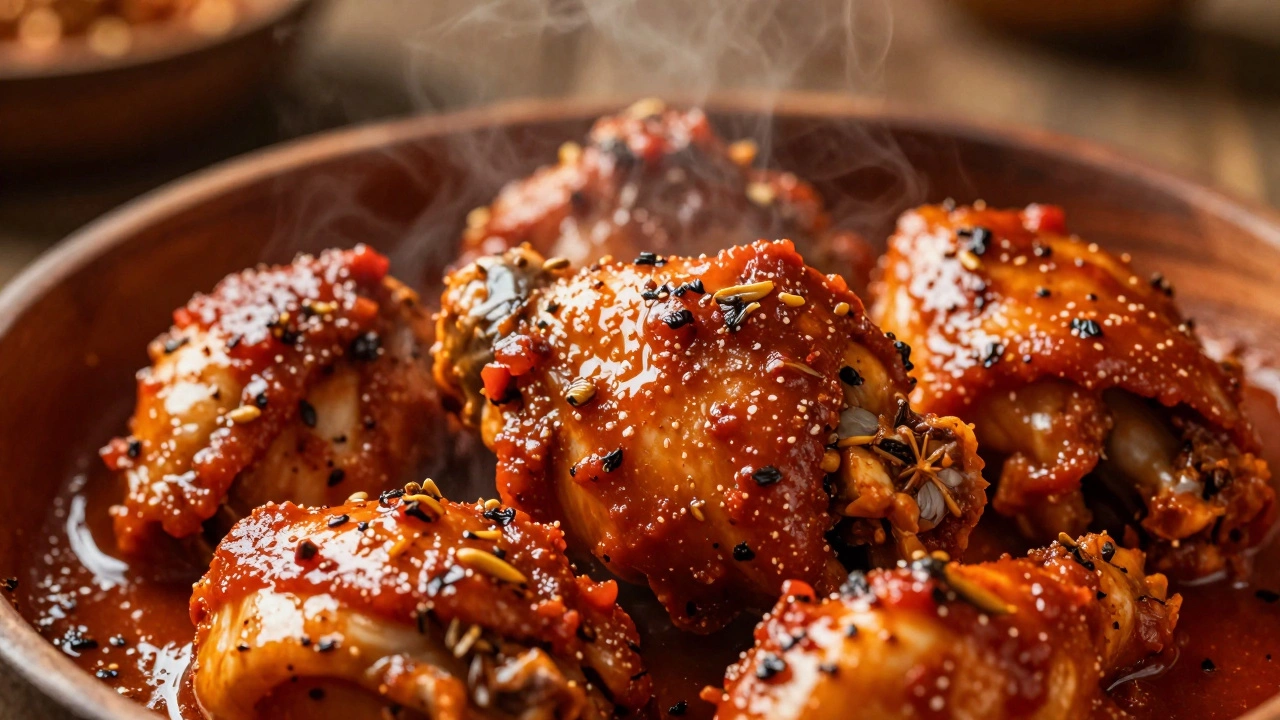
Ever bitten into a juicy piece of tandoori chicken and wondered what gives it that creamy, tangy, spicy kick? It’s not just the spices. It’s the secret sauce clinging to every bite - tandoori mayonnaise. But here’s the twist: it’s not mayonnaise at all. Not in the traditional sense. No eggs, no oil, no vinegar. What people call tandoori mayonnaise is really a thick, cooling yogurt-based marinade that’s been spiced up with garlic, ginger, cumin, and chili. And it’s the backbone of every great tandoori chicken recipe you’ve ever tasted.
Why It’s Called Mayonnaise (Even Though It’s Not)
The name stuck because of texture, not ingredients. In Indian homes and restaurants, anything thick, creamy, and used as a coating gets called ‘mayonnaise’ - even if it’s made with yogurt, cream, or even khoya. It’s a linguistic shortcut. When you see a dish labeled ‘tandoori mayonnaise’ on a menu, you’re not getting a Western-style emulsion. You’re getting a luscious, tangy yogurt paste that clings to chicken like a second skin. It’s the same reason people say ‘curry’ for dozens of different Indian gravies - it’s about function, not form.
What’s Actually in Tandoori Mayonnaise?
Real tandoori mayonnaise starts with full-fat yogurt - the kind you’d find in any Indian grocery, thick and slightly sour. Then come the spices: ground cumin, coriander, garam masala, and a good pinch of Kashmiri red chili powder for color without too much heat. Fresh garlic and ginger, crushed into a paste, give it depth. A splash of lemon juice brightens it up. And then there’s the secret: a little bit of kasuri methi (dried fenugreek leaves), crushed between your fingers, that adds an earthy, almost smoky note you can’t replicate with anything else.
Some versions add a touch of honey or sugar to balance the tang. Others use a spoonful of heavy cream to make it even richer. But no egg yolk. No oil. No preservatives. It’s all fresh, all natural, all made in minutes.
How It Works with Tandoori Chicken
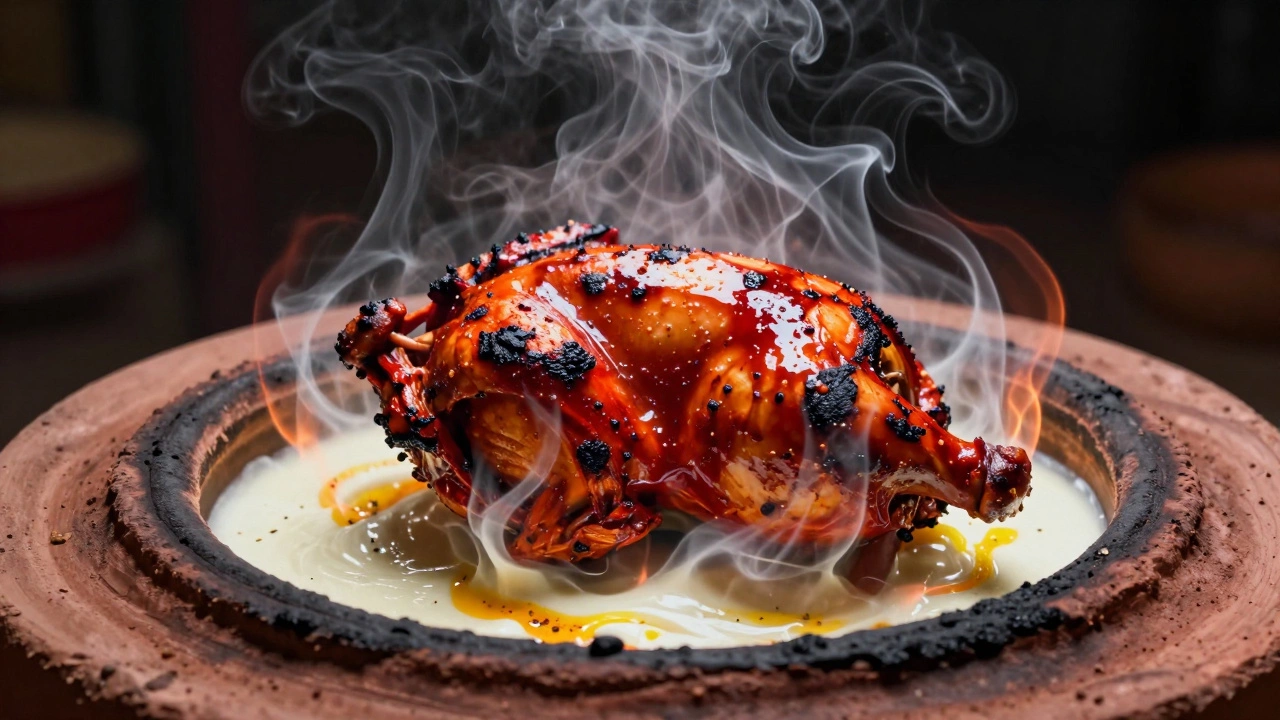
Tandoori chicken isn’t just about grilling. It’s about marination. The yogurt in this sauce does something magical: it tenderizes the meat. The lactic acid gently breaks down proteins without turning the chicken mushy. At the same time, the spices cling to the yogurt, coating every inch of the meat. When you put it in a tandoor - or even a hot oven - the yogurt caramelizes slightly, creating a crust that’s crisp on the outside and juicy inside.
Without this yogurt-based paste, tandoori chicken would be dry, bland, and just grilled chicken with spices on top. With it? You get that signature charred exterior, the deep red color (thanks to the chili and a bit of food coloring in restaurants), and the creamy, cooling bite that cuts through the spice.

How to Make It at Home
You don’t need fancy equipment. Just a bowl, a whisk, and about 15 minutes.
- Start with 1 cup of thick, full-fat yogurt. Strain it overnight in a muslin cloth if yours is watery.
- Add 2 tablespoons of fresh ginger-garlic paste.
- Stir in 1 teaspoon each of ground cumin, coriander, and garam masala.
- Throw in 1 teaspoon of Kashmiri chili powder (or paprika if you can’t find it).
- Crush 1 teaspoon of kasuri methi between your palms and mix it in.
- Squeeze in half a lemon’s juice and a pinch of sugar if you like.
- Whisk until smooth. That’s it.
Use it immediately to coat chicken thighs or drumsticks. Let it sit for at least 4 hours - overnight is better. Then grill, roast, or broil until the edges are charred and the meat pulls away easily from the bone.
Common Mistakes People Make
Most home cooks ruin tandoori chicken before they even turn on the oven. Here’s what goes wrong:
- Using low-fat yogurt - it’s too watery and won’t cling to the meat. You’ll end up with dry chicken and a mess in your pan.
- Skipping the kasuri methi - it’s not optional. That’s the flavor that makes it taste like a restaurant dish, not a home experiment.
- Marinating for less than 2 hours - the yogurt needs time to work. Rushing it means tough meat and weak flavor.
- Adding vinegar or lemon juice too early - too much acid too soon can make the chicken rubbery. Add it last, after the yogurt is well mixed.
What to Serve With It
Tandoori mayonnaise isn’t just for chicken. It’s a versatile condiment. Serve it alongside:
- Grilled paneer or vegetables for a vegetarian twist
- As a dip for naan or roti
- On a sandwich with sliced cucumber and red onion
- Drizzled over rice bowls with chickpeas and pickled carrots
It also makes a killer base for salad dressings. Mix it with a little olive oil, a squeeze of lime, and chopped cilantro. Instant Indian-inspired vinaigrette.
Where It Comes From - And Why It’s Not in Old Cookbooks
This isn’t an ancient recipe. It’s a modern Indian invention, born in the 1970s and 80s, when restaurants in Delhi and Mumbai started experimenting with Western-style sauces to appeal to tourists and urban diners. They took the traditional yogurt marinade, gave it a creamy texture, and slapped on the name ‘mayonnaise’ because it sounded fancy. Over time, it stuck.
You won’t find it in 19th-century Punjabi cookbooks. But you’ll find it in every tandoori chicken recipe posted online today - because it works. It’s practical. It’s flavorful. And it’s deeply Indian, even if the name sounds foreign.
Can You Buy It Ready-Made?
Not really. You won’t find bottled tandoori mayonnaise on supermarket shelves - not even in Indian grocery stores. That’s because it’s meant to be made fresh. The yogurt separates if stored too long. The spices lose their punch. Even refrigerated, it’s best used within 24 hours.
If you see a jar labeled ‘tandoori mayonnaise’ in a store, it’s probably a Western-style mayo with chili powder and cumin mixed in. It won’t tenderize your chicken. It won’t give you that authentic crust. Stick to making your own.
Why This Matters for Your Cooking
Understanding what tandoori mayonnaise really is changes how you cook. You stop looking for mayo and start looking for thick yogurt. You stop adding oil and start trusting acid. You stop fearing spice and start balancing it with tang. It’s not just a sauce - it’s a lesson in Indian cooking: simple ingredients, deep technique, and flavor that builds over time.
Once you make your own, you’ll never go back to store-bought marinades. And you’ll realize - it’s not about the name. It’s about the result. Juicy, spicy, smoky chicken with a creamy bite that lingers on your tongue. That’s what tandoori mayonnaise is really about.
Is tandoori mayonnaise the same as raita?
No. Raita is a cooling side dish made with yogurt, cucumber, mint, and sometimes roasted cumin. It’s served chilled and eaten separately. Tandoori mayonnaise is a thick, spiced marinade meant to coat meat before cooking. It’s not served as a side - it’s part of the cooking process.
Can I use Greek yogurt instead of Indian yogurt?
Yes, but with a caveat. Greek yogurt is thicker and less tangy than traditional Indian yogurt. You’ll need to thin it with a teaspoon of water or milk to match the consistency of Indian yogurt. Also, it may not tenderize the meat as well because it’s been strained more aggressively. For best results, use full-fat Indian dahi if you can find it.
Why is my tandoori chicken not turning red?
The red color comes from Kashmiri chili powder, which is mild but deeply pigmented. If you used regular paprika or cayenne, you won’t get that vibrant red. Some restaurants add a drop of food coloring for show, but that’s not necessary. Just make sure you’re using Kashmiri chili powder - it’s the key to the color without overpowering heat.
Can I make tandoori mayonnaise without garlic and ginger?
You can, but you’ll lose the backbone of the flavor. Garlic and ginger aren’t just seasonings - they’re flavor carriers. They help the spices penetrate the meat. If you must skip them, add a pinch of asafoetida (hing) and a little more lemon juice to compensate. But it won’t be the same.
How long can I store tandoori mayonnaise?
Store it in an airtight container in the fridge for up to 24 hours. After that, the yogurt starts to separate and the spices lose their brightness. Always use it fresh for the best texture and flavor. Don’t try to make a big batch ahead - it’s not worth it.