What is the Famous English Chutney? A Guide to Mango, Apricot & More
 Aug, 25 2026
English Chutney Recipe & Pairing Planner
Pick a fruit, set how much you want to make, and adjust your taste. The tool recalculates ingredient amounts, cooking time, jars needed, and the best dishes to serve it with.
Walk into any high-end British deli or supermarket aisle, and you’ll spot jars of thick, dark spreads labeled simply as "chutney." But what exactly makes an English chutney distinct from its Indian counterparts? It’s not just a translation of a word; it’s a culinary category that evolved through centuries of trade, colonial influence, and local adaptation. While Indian chutneys are often fresh, spicy, and tangy, their British cousins tend to be sweeter, fruitier, and designed to complement rich meats rather than cut through heat.
If you’ve ever wondered why a slice of pork belly tastes better with a spoonful of sweet mango spread, this guide breaks down the history, types, and flavors that define this iconic British condiment. We’ll look at the specific fruits used, the cooking methods that create that signature texture, and how you can make your own at home without needing a professional kitchen.
The Origins: From India to Britain
To understand what English chutney is, you have to look at where it came from. The word "chutney" comes from the Sanskrit chatni, meaning a mixture of spices. However, the version found in British kitchens today bears little resemblance to the fiery, raw pastes served in Mumbai or Delhi. The transformation began in the 18th and 19th centuries when British merchants brought back recipes from India, but adapted them to suit local palates and available ingredients.
In Britain, fresh tropical fruits like tamarind and green mango weren’t readily available year-round. Instead, cooks turned to preserved fruits that were abundant locally or imported from colonies: apricots, peaches, plums, and eventually, mangoes (which became more accessible later). The result was a cooked, jarred preserve that balanced sweetness with vinegar and spice. This shift from a fresh condiment to a preserved sauce is what defines the modern English chutney.
The Big Three: Mango, Apricot, and Peach
While there are dozens of varieties, three fruits dominate the market and the home cook’s pantry. Knowing these helps you identify which type you’re looking for when shopping or cooking.
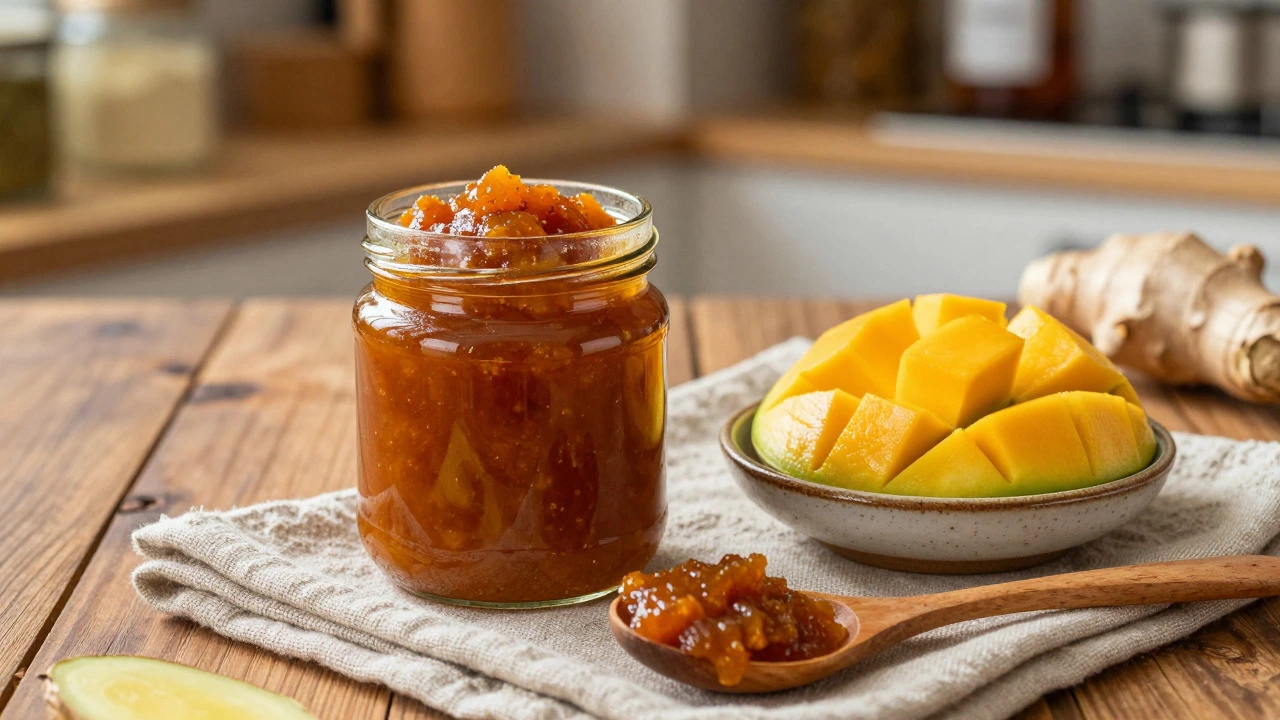
- Mango Chutney: Often considered the quintessential English chutney. It’s usually made with overripe mangoes (often canned or dried) to ensure a deep, concentrated flavor. It has a balance of sweet, sour, and a hint of chili. This is the go-to pairing for pork, chicken, and cheese boards.
- Apricot Chutney: Slightly less common than mango but very traditional. Apricots provide a natural tartness that reduces the need for excessive vinegar. The texture is often smoother and darker due to the skin being removed during processing. It pairs exceptionally well with game meats like venison or duck.
- Peach Chutney: Milder and fruitier, peach chutney leans heavily on sweetness. It’s often used in desserts or with milder proteins like turkey or fish. Some variations include ginger or cinnamon to add warmth.
Each of these relies on a similar base structure but differs in the final taste profile due to the acidity and sugar content of the fruit itself.
Anatomy of a Jar: Ingredients and Texture
What goes into the jar? The recipe is surprisingly simple, relying on five core components. Understanding these helps you troubleshoot your own batches or choose quality products.
- Fruit: The primary ingredient. Usually cooked down until soft. In commercial production, this might be pulp or chunks; in home cooking, whole fruits are often chopped.
- Sugar: Brown sugar or demerara is preferred for its molasses notes, which add depth. White sugar is used if a lighter color is desired.
- Vinegar: Apple cider vinegar is the standard choice because its fruity acidity complements the other ingredients without overpowering them. White wine vinegar is sometimes used for a sharper bite.
- Spices: Ginger (fresh or ground), mustard seeds, cumin, and a pinch of cayenne or chili powder. These aren't meant to burn; they’re meant to add complexity.
- Liquids: Sometimes a splash of water or juice is added to prevent burning during the long cooking process.
The texture is crucial. A proper English chutney should be thick enough to coat the back of a spoon but still pourable. It shouldn’t be runny like a jam, nor dry like a paste. The pectin in the fruit helps achieve this gel-like consistency when combined with sugar and acid.
How to Make Authentic-Style English Chutney at Home
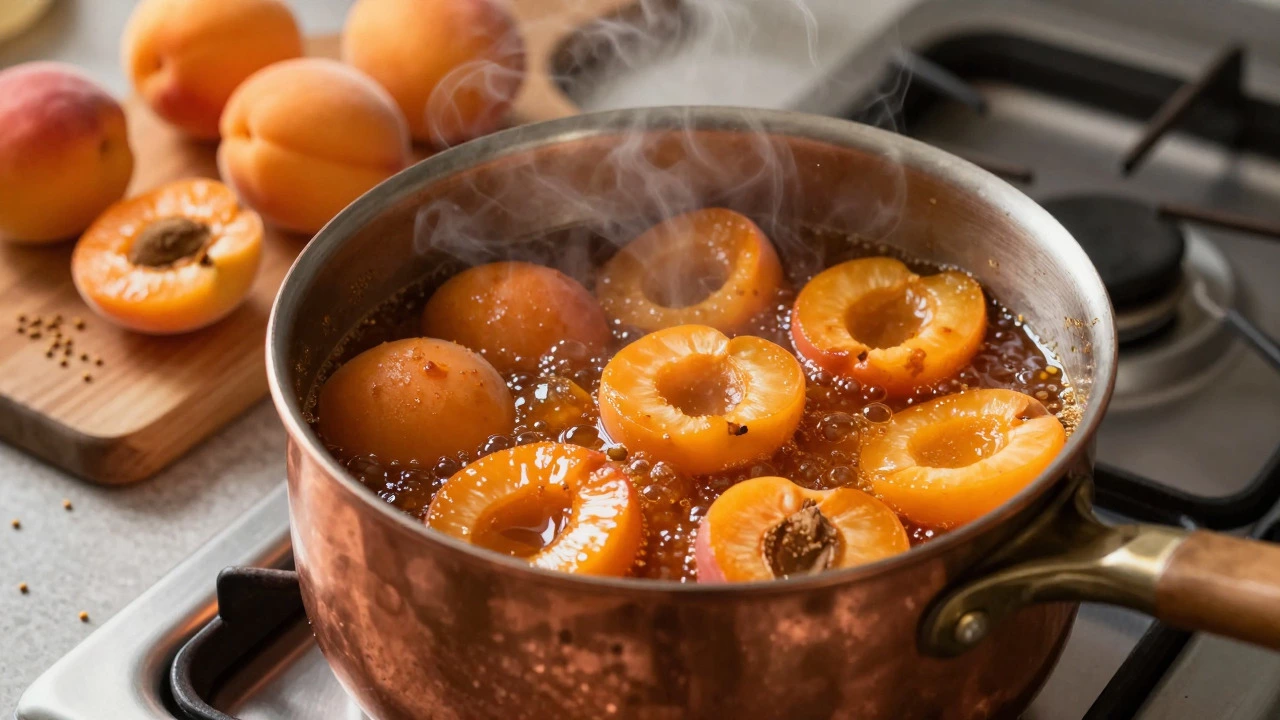
You don’t need exotic ingredients to make a convincing batch. Here is a straightforward method using apricots, which are widely available in most supermarkets during summer months. This recipe yields about four half-pint jars.
- Prep the Fruit: Pit and chop 500g of ripe apricots. Remove the skins if possible for a smoother finish, though leaving them in adds fiber and color.
- Combine Ingredients: Place the fruit in a heavy-bottomed pot. Add 250g of brown sugar, 100ml of apple cider vinegar, 1 tablespoon of grated fresh ginger, 1 teaspoon of mustard seeds, and a pinch of salt.
- Cook Slowly: Bring to a boil, then reduce heat to low. Simmer for 45-60 minutes, stirring frequently to prevent sticking. The mixture will darken and thicken significantly.
- Test Consistency: Drop a small amount on a cold plate. If it sets up and doesn’t spread too much after a minute, it’s ready. If it’s too thin, simmer for another 10 minutes.
- Jar It: Pour into sterilized jars while hot. Seal immediately. As it cools, the vacuum seal will form. Store in a cool, dark place for up to six months.
Tips for success: Don’t rush the simmering stage. That’s where the flavors meld. Also, taste for acidity before adding more vinegar; once it’s in, you can’t take it out.
Serving Suggestions: What Does It Pair With?
One of the best things about English chutney is its versatility. It’s not just for meat. Here are some practical ways to use it in your kitchen:
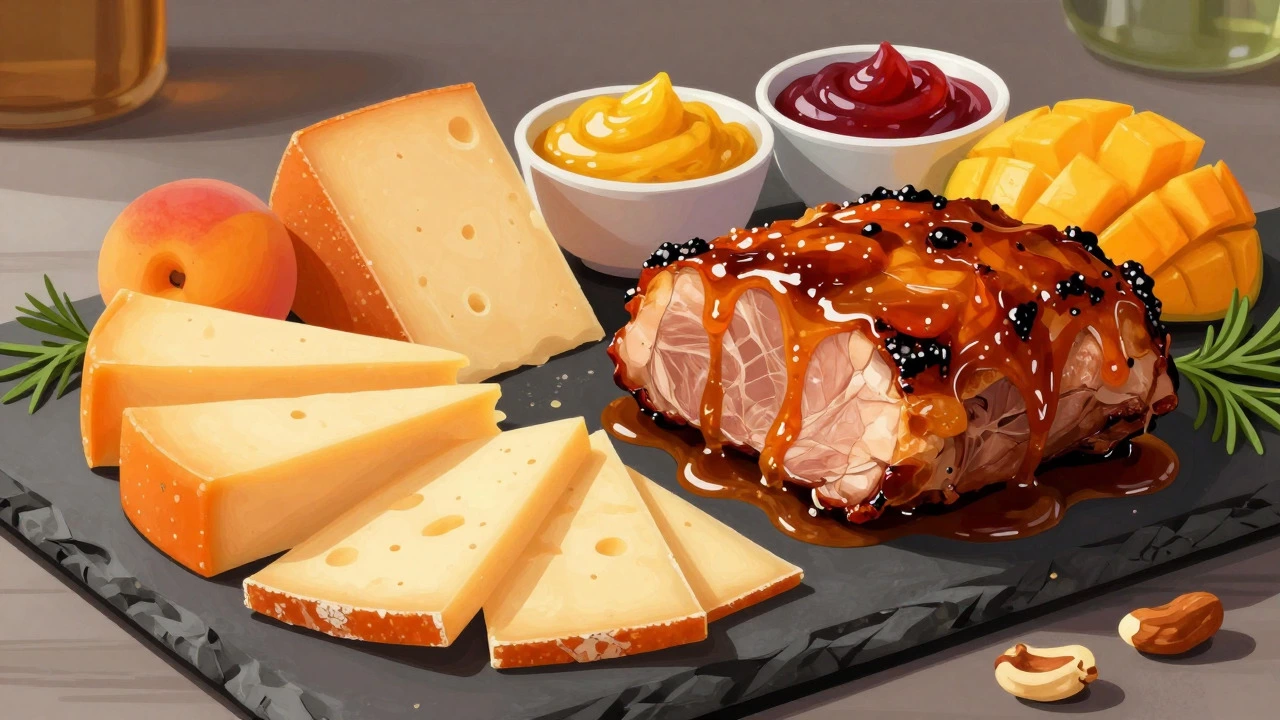
- With Meat: Slather it on roast pork, ham, or turkey. A dollop on a grilled steak adds a surprising sweet-savory contrast.
- On Cheese Boards: Pair sharp cheddar or aged gouda with a spoonful of mango chutney. The fat in the cheese balances the acidity of the chutney.
- In Sandwiches: Use it as a spread in a club sandwich or with pulled pork. It replaces ketchup or mustard in many British deli sandwiches.
- As a Glaze: Brush it onto ribs or chicken thighs in the last 10 minutes of roasting. The sugars caramelize, creating a sticky, flavorful crust.
- Dessert Twist: Serve peach chutney warm over vanilla ice cream or stirred into yogurt. It works surprisingly well as a fruit compote alternative.
Commercial vs. Homemade: Which Should You Choose?
Shelf-stable jars from major brands are convenient and consistent. They often contain preservatives like potassium sorbate to extend shelf life. If you buy commercially, look for labels that list real fruit first, followed by sugar and vinegar. Avoid products where high fructose corn syrup is the second ingredient.
Homemade chutney, on the other hand, allows you to control the sugar level and spice intensity. It also uses fresher ingredients, resulting in brighter flavors. The downside? You need time and effort. But for those who enjoy preserving food, making your own is a rewarding skill that saves money in the long run.
| Feature | Commercial Jars | Homemade Batches |
|---|---|---|
| Shelf Life | 12-18 months unopened | 6-12 months (if properly sealed) |
| Cost per Jar | $5-$8 | $3-$5 (ingredient cost) |
| Flavor Control | Fixed (standardized) | Customizable (sweet/spicy levels) |
| Ingredients | May include preservatives | Only fruit, sugar, vinegar, spices |
| Effort Required | None | 1-2 hours active/passive time |
Frequently Asked Questions
Is English chutney the same as Indian chutney?
No. While they share a name and origin, English chutney is typically a cooked, sweet, fruit-based preserve. Indian chutneys are often raw, fresh, and vary widely in spice levels. English versions are designed to pair with meats, whereas Indian chutneys often accompany curries or snacks.
What is the most popular type of English chutney?
Mango chutney is generally considered the most popular and iconic variety in the UK. It offers a balanced sweet-tangy profile that appeals to a wide audience and pairs well with both savory and slightly sweet dishes.
Can I use frozen fruit to make English chutney?
Yes, frozen fruit works well. Thaw it completely before cooking to avoid excess water diluting the mixture. You may need to cook it longer to evaporate the extra moisture and achieve the right thickness.
How long does homemade English chutney last?
If properly jarred and sealed, homemade chutney lasts 6 to 12 months in a cool, dark place. Once opened, refrigerate and consume within 4-6 weeks for best quality. Always check for mold or off smells before using.
Does English chutney need to be refrigerated?
Unopened jars do not require refrigeration if stored in a cool pantry. Once opened, refrigeration is recommended to maintain freshness and prevent spoilage, especially for homemade batches without preservatives.