Why Is Biryani So Spicy? The Secret Behind Its Heat and Flavor
 May, 8 2026
Biryani Spice Level Calculator
Configure Your Biryani
Adjust settings to see the result
--
NeutralTips Based on Your Result:
You take one bite of a perfectly layered Biryani, and suddenly your mouth is on fire. Or maybe it’s not even that hot, but the flavor lingers for hours. You wonder: what makes this dish so intense? It isn’t just about slapping chili peppers into the pot. The heat in Biryani is a complex interplay of fresh aromatics, dried spices, cooking techniques, and regional traditions that create a layered experience rather than a single punch of pain. Understanding this helps you control the heat, whether you want a mild family meal or a fiery challenge.
The Difference Between Heat and Flavor
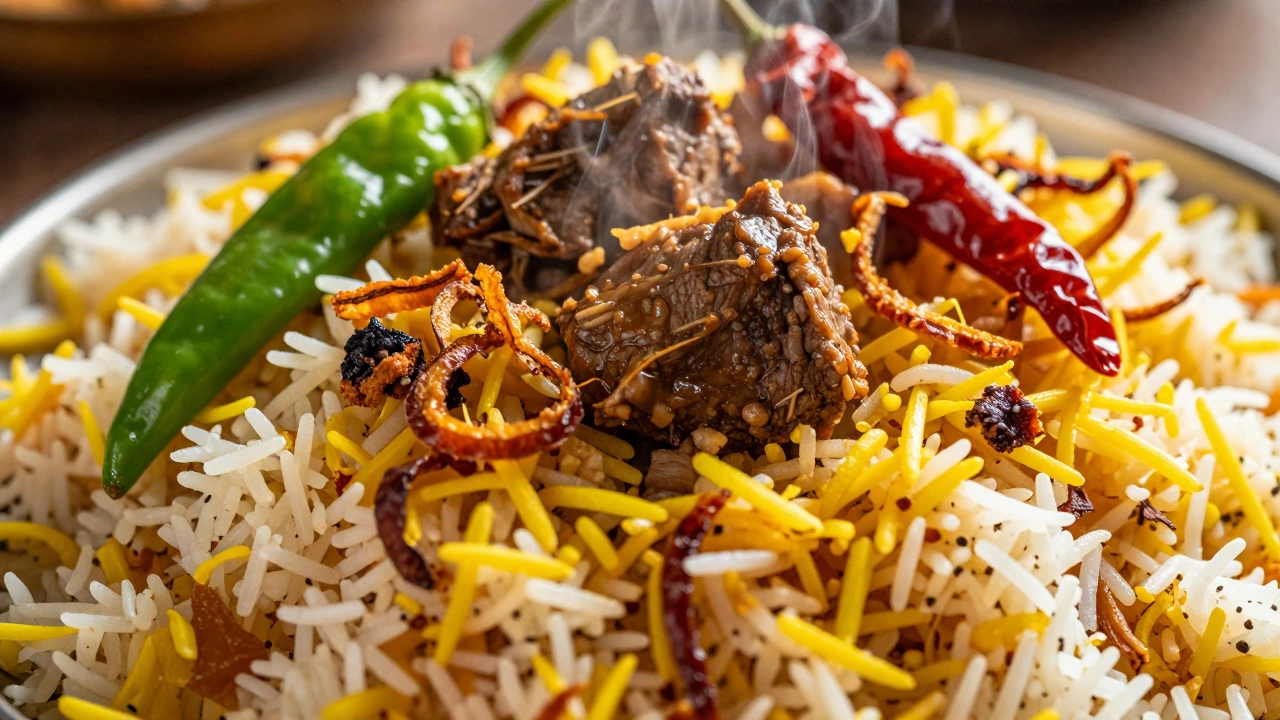
Before we blame the chilies, we need to separate two things: pungency (heat) and aroma (flavor). Many people confuse the two. When you eat Hyderabadi Dum Biryani, you feel a sharp sting on your tongue. That’s heat. But you also smell rosewater, saffron, and fried onions. That’s flavor. The magic of biryani lies in balancing these two. If a dish is only hot, it’s just spicy food. If it has depth without heat, it’s aromatic rice. Biryani demands both.
The primary driver of heat is capsaicin, a compound found in chili peppers. However, in biryani, capsaicin works alongside other compounds like piperine from black pepper and gingerol from ginger. These compounds don’t just burn; they stimulate different receptors in your mouth, creating a sensation that feels more 'complex' than simple spiciness. This is why biryani tastes different from a plain chili sauce.
The Chili Hierarchy: Fresh vs. Dried
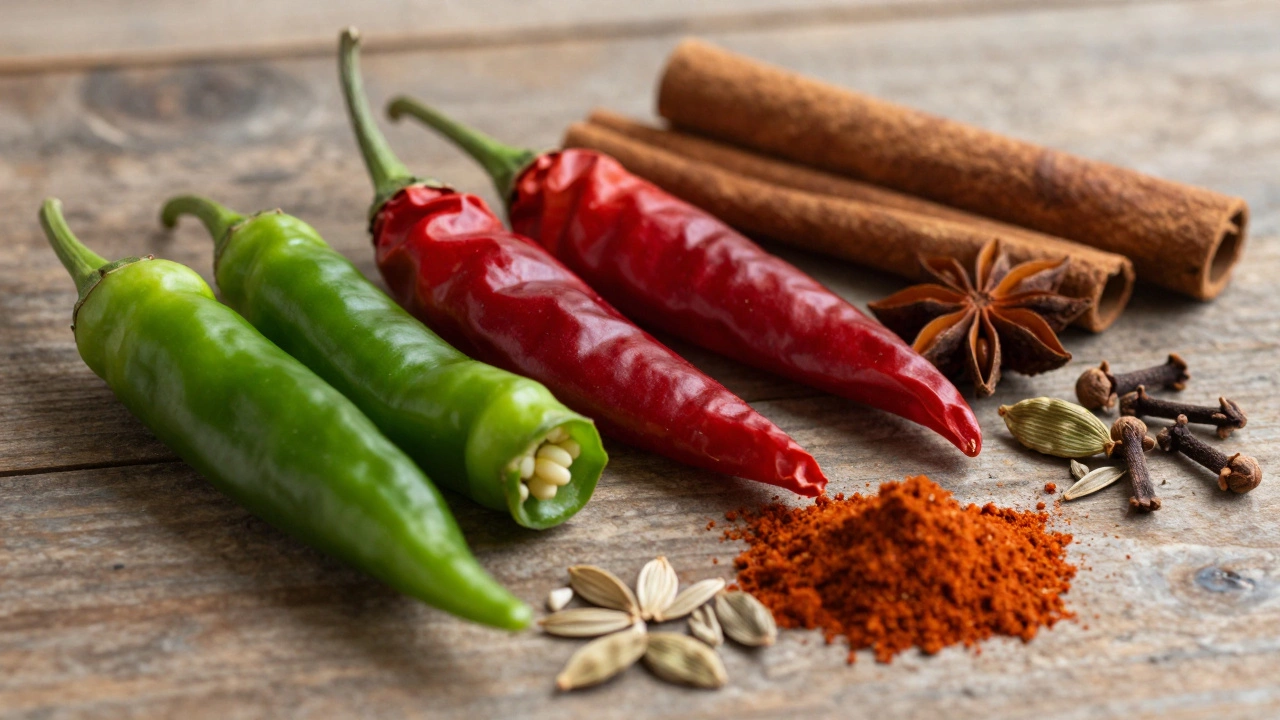
Not all chilies are created equal. In a typical biryani recipe, you’ll find at least three types of chilies working together:
- Fresh Green Chilies: These provide immediate, sharp heat. They are usually slit lengthwise and added during the frying of onions or the final layering. Their moisture content means they release heat quickly but fade faster.
- Dried Red Chilies (Kashmiri): These are often used for color and a moderate, earthy heat. Kashmiri chilies have low Scoville units (heat measurement) but high pigment. They give the red hue without overwhelming spice.
- Ground Chili Powder (Mirch Powder): This is the heavy hitter. Ground chilies expose more surface area to oil, releasing capsaicin efficiently. In many recipes, this powder is tempered in ghee or oil before being mixed with the meat or rice, ensuring the heat permeates every grain.
If you find biryani too spicy, check which type of chili was overused. Often, it’s the ground powder that tips the scale. Swapping half of the regular chili powder for Kashmiri chili powder can reduce heat by up to 40% while keeping the vibrant color.
The Role of Aromatics and Masalas
Heat doesn’t exist in a vacuum. It is amplified or muted by other spices. Garam Masala, a blend typically containing cardamom, cloves, cinnamon, and mace, plays a crucial role. These spices contain essential oils that coat the tongue, slightly buffering the direct impact of capsaicin. Without enough garam masala, the chili heat feels harsh and one-dimensional.
Then there’s Asafoetida (Hing). Used in tiny amounts, hing adds an umami depth that distracts the palate from pure heat. Similarly, Turmeric provides bitterness and earthiness, which balances the sweetness of caramelized onions and the heat of chilies. If a biryani lacks these supporting players, the chili stands alone, making the dish taste unnecessarily aggressive.
Cooking Technique: The "Dum" Factor
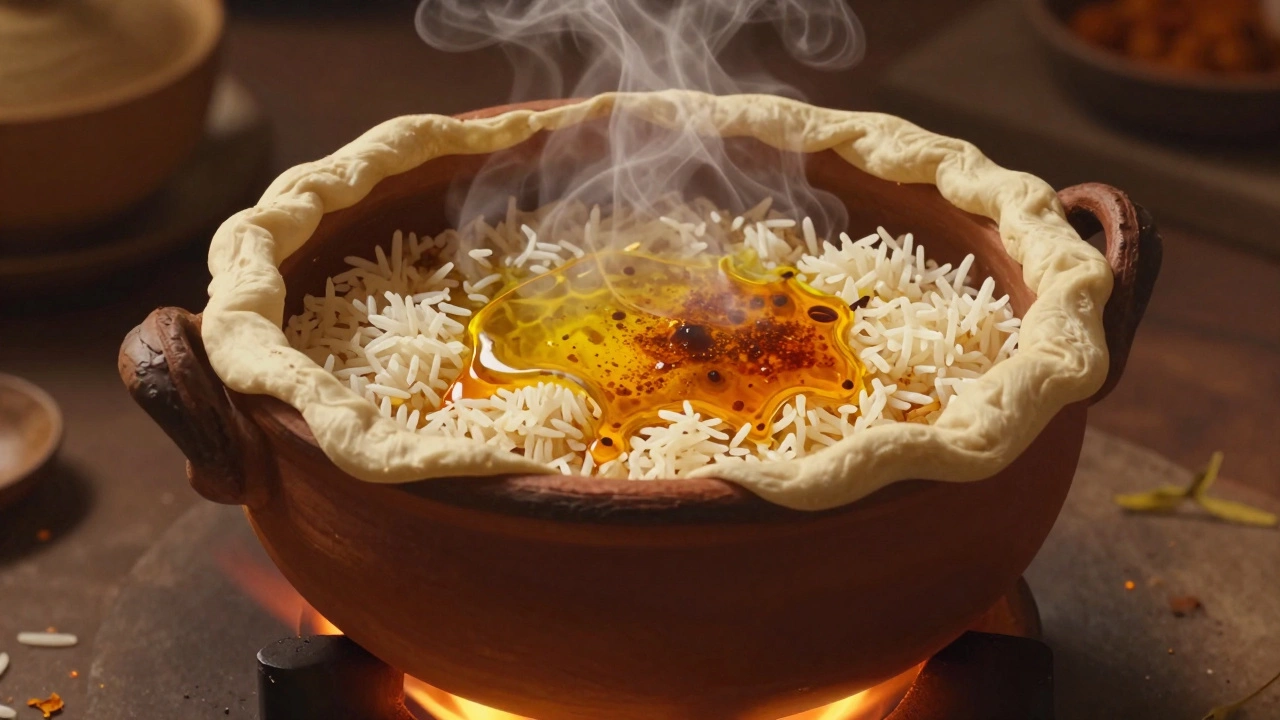
The word "dum" refers to slow cooking in a sealed pot. This technique does more than cook the rice; it traps steam and volatile oils. As the biryani cooks, the essential oils from spices like Fennel Seeds and Star Anise infuse into the rice grains. Simultaneously, the heat from the chilies becomes integrated into the fat (ghee or oil) used in the dish.
Fat is key here. Capsaicin is fat-soluble, not water-soluble. This means if you cook biryani with very little oil or ghee, the capsaicin remains concentrated in the dry spices, hitting your tongue harder. Conversely, a generous amount of ghee dissolves the capsaicin, spreading the heat evenly and making it feel smoother. This is why restaurant biryanis, which use abundant ghee, often taste less "sharp" despite having similar chili counts to home-cooked versions.
Regional Variations in Spice Levels
Your expectation of "spicy" depends heavily on where the biryani comes from. India is diverse, and so is its biryani:
| Region | Primary Chili Source | Heat Level (1-10) | Dominant Flavor Note |
|---|---|---|---|
| Hyderabad | Guntur Sannam (Red & Green) | 8-9 | Sharp, Direct Heat |
| Lucknow (Awadhi) | Mild Kashmiri Chili | 3-4 | Aromatic, Floral |
| Kolkata | Potato-infused Mild Blend | 4-5 | Sweet, Subtle |
| Malabar (Kerala) | Green Malabar Chilies | 7-8 | Herbal, Pungent |
If you’re used to Awadhi biryani, Hyderabadi biryani will seem overwhelmingly hot. This isn’t because Hyderabadis add more chili per se, but because they use varieties with higher Scoville ratings, like Guntur Sannam, which packs a serious punch compared to the milder Kashmiri varieties used in the north.
How to Control the Heat in Your Kitchen
You don’t have to accept the spice level as fate. Here are practical ways to adjust the heat based on your preference:
- Seed Removal: Most of the capsaicin in fresh chilies resides in the white membrane and seeds. Slit green chilies and scrape out the seeds before adding them. This reduces heat by roughly 50% while retaining the herbal aroma.
- Soak Dried Chilies: Soaking whole dried red chilies in warm water for 10 minutes before grinding them can leach out some capsaicin. Drain the water thoroughly before using the paste.
- Add Dairy: Casein in dairy products binds to capsaicin and washes it away. Adding a dollop of yogurt (curd) to the marinade or serving biryani with raita (yogurt sauce) neutralizes the burn instantly.
- Increase Acid: A squeeze of lemon juice or extra tamarind pulp can cut through the heat perception. Acid stimulates different taste buds, distracting from the burning sensation.
- More Rice, Less Meat Marinade: Often, the meat is marinated heavily with spices. If you increase the ratio of plain, lightly spiced rice to the heavily spiced meat, the overall dish becomes milder.
The Psychological Aspect of Spice
Finally, consider your tolerance. Regular consumption of spicy food increases your pain threshold. If you rarely eat spicy food, even a mildly spiced biryani will feel intense. This is due to desensitization of TRPV1 receptors (the proteins that detect heat). Over time, your brain learns to associate the heat with pleasure rather than pain, thanks to the endorphins released during the experience. This is why biryani lovers often crave the very thing that makes their mouths burn.
Understanding the components-chili types, fat content, aromatic balance, and regional styles-empowers you to craft a biryani that suits your palate. Whether you prefer the gentle whisper of Lucknow or the loud shout of Hyderabad, the control is in your hands.
Which part of the chili contains the most heat?
The white inner membrane (placenta) and the seeds contain the highest concentration of capsaicin. Removing these parts significantly reduces the heat level of the dish.
Can I make biryani spicy without using fresh chilies?
Yes. You can rely entirely on ground red chili powder or cayenne pepper. However, you will lose the fresh, grassy aroma that green chilies provide, resulting in a flatter flavor profile.
Why does eating biryani with raita help reduce the burn?
Raita contains yogurt, which is rich in casein. Casein is a protein that acts like soap, binding to capsaicin molecules and washing them off your tongue, providing immediate relief.
What is the difference between Hyderabadi and Lucknowi biryani in terms of spice?
Hyderabadi biryani uses hotter chili varieties like Guntur Sannam and often includes fresh green chilies, resulting in a higher heat level. Lucknowi (Awadhi) biryani prioritizes aromatic spices like saffron and kewra water, using milder Kashmiri chilies primarily for color.
Does cooking biryani longer make it less spicy?
No, capsaicin is heat-stable and does not break down significantly with prolonged cooking. However, longer cooking allows the spices to integrate better with fats and rice, which may make the heat feel less sharp and more rounded.