Should You Add Salt Before Fermenting Dosa Batter? The Truth About Timing
 May, 21 2026
Dosa Fermentation Strategy Calculator
Your Kitchen Conditions
Why?
Explanation goes here.
Action Plan
Enter your details to find out if you should add salt now or later.
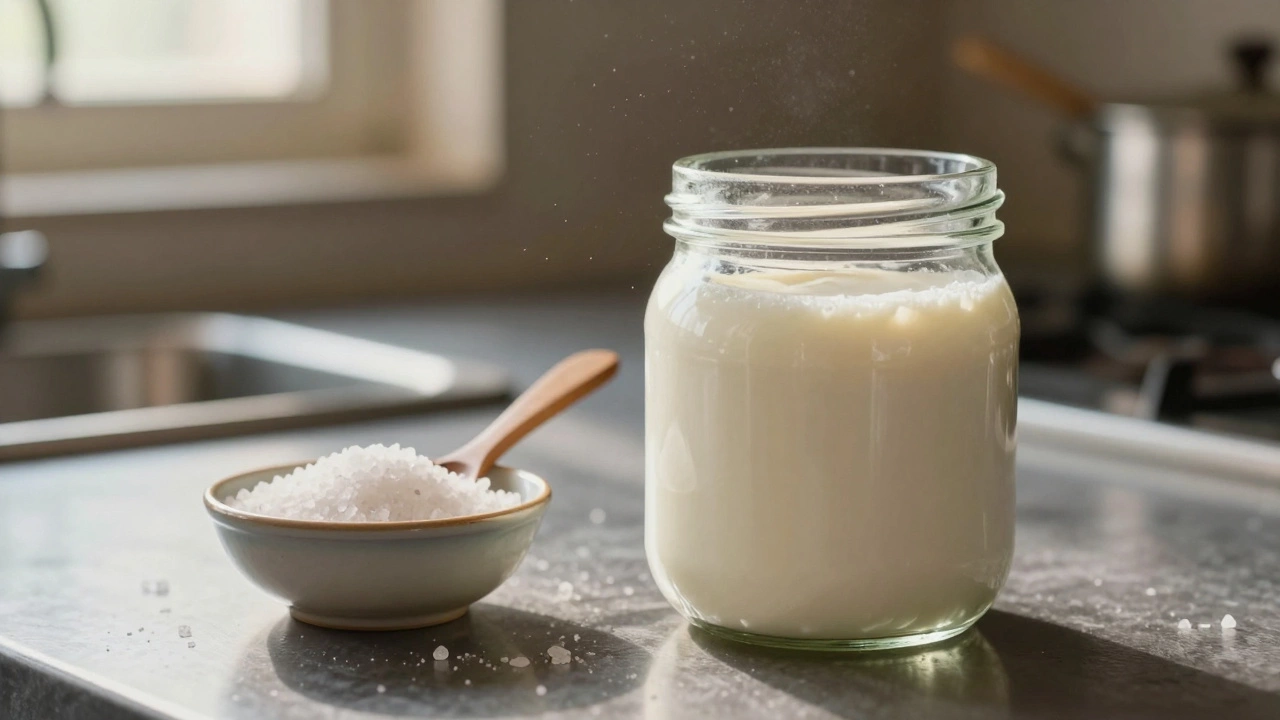
There is a quiet war happening in kitchens across India every morning. One side believes you must add salt to dosa batter is a fermented rice and lentil mixture used to make thin, crispy crepes popular in South Indian cuisine only after it has finished rising. The other side insists that adding salt before fermentation makes the final product taste better and crispier. If you have ever stared at your jar of batter wondering if that pinch of salt will kill your yeast or ruin your breakfast, you are not alone. This question touches on food science, tradition, and the simple desire for a perfect crunch.
The short answer? It depends on what kind of dosa you want and how much time you have. But the real story is more interesting. Let’s look at what actually happens inside that jar when you mix salt with bacteria and leave it in the warm Mumbai humidity.
How Dosa Batter Actually Ferments
To understand where the salt fits in, we first need to understand what is doing the work. Dosa batter relies on wild fermentation. Unlike bread, which uses commercial yeast (Saccharomyces cerevisiae), dosa batter gets its lift from naturally occurring lactic acid bacteria and wild yeasts present on the rice grains and urad dal (black gram). These microorganisms eat the starches and sugars in the soaked grains and produce carbon dioxide gas. That gas creates bubbles, making the batter airy and light. They also produce lactic acid, which gives the dosa its signature tangy flavor.
This process is delicate. The bacteria are living organisms, just like us. They have preferences. They thrive in specific conditions: warmth, moisture, and a neutral pH environment. When you introduce salt into this ecosystem, you change the environment. Salt draws out water through osmosis. In high concentrations, it can dehydrate bacterial cells, slowing down their activity or even killing them. This is why pickles don’t rot-they are preserved by salt. But dosa batter isn’t meant to be preserved; it’s meant to rise.
| Ingredient | Function in Batter | Effect of Adding Early vs. Late |
|---|---|---|
| Rice | Provides starch for energy | No significant difference based on timing |
| Urad Dal | Provides protein and wild yeast | No significant difference based on timing |
| Salt | Flavor enhancer | Early: May slow rise slightly. Late: No effect on rise. |
| Water | Hydration medium | Must be added during grinding, not later |
The Case Against Adding Salt Early
The traditional advice, passed down from grandmothers to daughters, is usually clear: "Don't add salt until the batter has risen." The logic here is preservation of potency. If you add salt before fermentation, you are essentially putting a brake on the microorganisms. In cooler climates, where fermentation takes 12 to 16 hours, this brake might be noticeable. Your batter might not double in size. It might stay dense. A dense batter leads to heavy, flat dosas that lack the characteristic spongy texture.
I have tested this myself in my Mumbai kitchen. During the monsoon, when the temperature drops slightly and humidity spikes, I’ve found that adding salt before leaving the batter overnight resulted in a slower rise. The batter was ready to cook, but it lacked the airy pockets that make a good dosa. The flavor was fine, but the texture suffered. For those who prioritize the lightest, fluffiest dosa possible, waiting to add salt is the safer bet.
The Case For Adding Salt Early
However, not everyone agrees. Many professional chefs and modern home cooks add salt right after grinding the batter. Why? Because convenience matters. And there is a culinary argument to be made. Salt affects gluten development in wheat doughs, but dosa batter has no gluten. So, what does it do? It enhances flavor perception. When salt is mixed in early, it distributes evenly throughout the batter. Some argue that this uniform distribution leads to a more consistent taste in every bite. There is also a myth that salt helps in crisping. While salt does draw out moisture, which could theoretically aid browning, the amount used in dosa batter is too small to have a dramatic chemical effect on crispiness compared to the heat of the tawa (griddle).
In hot climates like Chennai or Hyderabad, where temperatures often exceed 35°C (95°F), fermentation happens fast-sometimes in just 8 to 10 hours. In these conditions, the inhibitory effect of salt is negligible. The bacteria are so active that a teaspoon of salt won’t stop them. If you live in a place where your batter rises aggressively, adding salt early is perfectly fine and saves you a step in the morning rush.

What Science Says About Salt and Yeast
Let’s look at the numbers. Studies on yeast inhibition show that concentrations above 2% salt can significantly reduce yeast activity. Dosa batter typically uses about 1% salt relative to the weight of the flour. This is below the threshold for complete inhibition. However, it is enough to cause a slight delay. A delay of an hour or two might not matter if you are planning ahead, but it can be crucial if you are trying to get dinner ready by 7 PM.
Consider this scenario: You grind the batter at 8 PM. You add salt. You leave it. By 8 AM, the batter has risen, but not doubled. You cook it. The dosa is edible, but it’s not spectacular. Now, compare that to adding salt at 8 AM. The batter has fully risen overnight. You stir in the salt. You cook immediately. The result is lighter. The difference is subtle, but to a dosa lover, it’s everything.
Practical Tips for Perfect Dosa Batter
So, what should you do? Here is a practical guide based on your situation.
- If you live in a cool climate: Do not add salt before fermentation. Wait until the batter has visibly risen and bubbled. Then mix in the salt gently to avoid deflating the air pockets.
- If you live in a hot climate: You can add salt before fermentation. The heat will overcome any minor inhibition. Just ensure your batter doesn’t over-ferment and become too sour.
- If you are short on time: Add salt before grinding. It simplifies the process. Just accept that the rise might be slightly less voluminous.
- If you want the crispiest dosa: Focus on the ratio of rice to dal. A higher proportion of raw rice and parboiled rice helps with crispiness more than salt timing ever will.
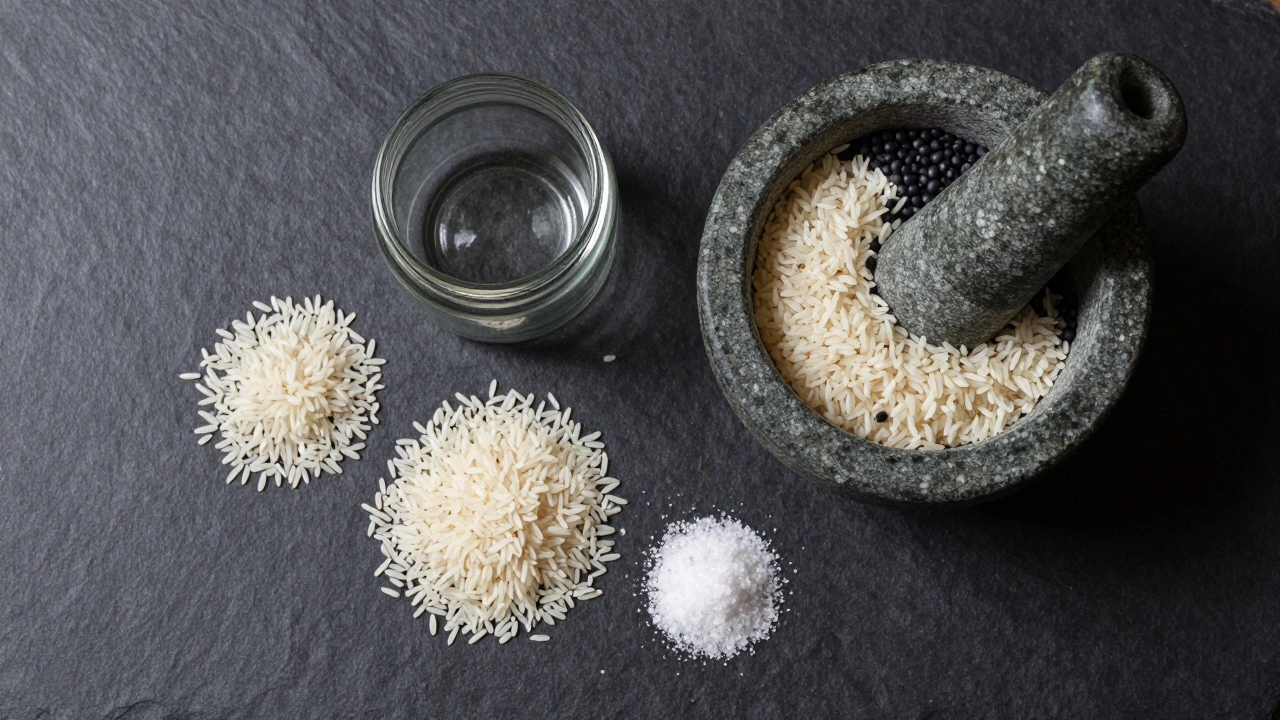
Another pro tip: Use coarse sea salt or rock salt (sendha namak) rather than fine table salt. Coarse salt dissolves more slowly, providing a gentler introduction of sodium ions to the batter. This minimizes the shock to the microorganisms if you do choose to add it early.
Troubleshooting Common Issues
Even with the right salt timing, things can go wrong. Here are some common problems and how to fix them.
- Batter didn’t rise: Check your soaking time. Rice and dal need to be soaked separately for at least 4-6 hours. Also, ensure your water is clean and chlorine-free, as chlorine can kill wild yeast.
- Dosa is soggy: Your tawa might not be hot enough. Or, you might have added too much water while grinding. The batter should be thick, like pancake batter, not runny like milk.
- Dosa tastes bitter: You likely over-fermented the batter. This happens when the temperature is too high for too long. Next time, refrigerate the batter after 8-10 hours if you can’t cook it immediately.
Final Thoughts on Salt and Tradition
Cooking is part science, part art, and part memory. My grandmother in Kerala always added salt after fermentation. She said it kept the batter "alive." My friend in Bangalore adds it before because he hates extra steps. Both methods produce delicious dosas. The key is consistency. Pick one method and stick with it so you learn how your specific kitchen environment reacts.
Ultimately, the goal is a crispy, tangy, satisfying meal. Whether you add salt before or after, ensure your grinding is smooth, your fermentation is adequate, and your tawa is seasoned well. Those factors matter far more than the timing of a teaspoon of salt.
Does adding salt before fermentation make dosa sour?
Not directly. Sourness comes from lactic acid produced by bacteria during fermentation. Salt can slow down bacterial activity, which might actually reduce sourness if added early, but the effect is minimal. Over-fermentation is the main cause of excessive sourness.
Can I add sugar instead of salt before fermenting?
Yes, and many people do. Sugar feeds the yeast and bacteria, potentially speeding up fermentation. Unlike salt, sugar generally promotes growth rather than inhibiting it. However, too much sugar can lead to an overly sweet batter, which clashes with savory chutneys.
Why is my dosa batter not rising even without salt?
Temperature is the most likely culprit. Fermentation needs warmth (around 25-30°C or 77-86°F). If your kitchen is cold, place the batter in the oven with the light on, or wrap the container in a towel and keep it near a heater. Old rice or dal can also lack sufficient wild yeast.
Is it safe to eat dosa batter that hasn't risen?
Yes, it is safe to eat, provided the ingredients were fresh and stored correctly. However, the texture will be dense and heavy, lacking the airy quality of fermented dosa. It will taste more like uncooked rice and lentils than a traditional dosa.
How much salt should I add to 2 cups of dosa batter?
A general rule of thumb is 1 teaspoon of salt for every 2 cups of batter. Adjust to taste, but remember that you can always add more salt after mixing, but you cannot remove it. Start with less and adjust.