Chicken Curry Tips: Master Flavor, Texture, and Authentic Techniques
When you think of chicken curry, a rich, spiced Indian dish made with tender chicken, aromatic spices, and a creamy or tomato-based sauce. Also known as chicken masala, it's one of the most loved home-cooked meals across India—not because it’s complicated, but because it’s deeply satisfying when done right. Too many people ruin chicken curry by adding all the spices at once, overcooking the chicken, or skipping the final garnish. The difference between a good curry and a great one isn’t the recipe—it’s the timing and the small, often ignored steps.
One of the biggest mistakes is tossing chicken into the pot before the spices bloom. In authentic Indian cooking, you fry whole spices like cumin, cardamom, and cloves in hot oil first. Then you add ground spices—turmeric, coriander, cumin—and cook them for a full minute until they smell toasted and sweet. This step unlocks their oils and turns bitter powder into deep flavor. Skip it, and your curry tastes flat, no matter how much garlic or ginger you dump in.
Another key detail: chicken needs to sear before simmering. Don’t just drop raw chicken into the sauce. Brown it in batches on medium-high heat until it’s golden on the edges. That crust locks in moisture and adds a layer of richness you can’t get from boiling. And don’t overcook it. Chicken thighs stay juicy even after 20 minutes of simmering, but breasts turn to rubber if you leave them too long. Take them out after 15 minutes, then stir them back in at the end.
The sauce matters too. Most recipes say "add tomato paste" or "use coconut milk," but the real trick is layering. Start with onions fried until deep brown—not just golden. Then add ginger-garlic paste and cook it until the raw smell disappears. That’s when you add tomatoes, and you cook them down until they melt into the oil. That’s your flavor base. If it looks watery, keep cooking. A good curry sauce should coat the back of a spoon.
And then there’s the finish. fresh herbs, like cilantro, curry leaves, or mint, added right before serving. Also known as curry garnish, this isn’t decoration—it’s flavor activation. Heat dulls the bright notes in herbs. Add them cold, right before you serve, and you get a burst of freshness that cuts through the richness. Same with a squeeze of lemon or a spoon of yogurt stirred in at the end. It balances everything.
You’ll find plenty of chicken curry recipes online that call for 15 ingredients and 2 hours. The truth? Most Indian homes make it with just 6-8 things, and they do it in under 40 minutes. What they know that blogs don’t always say: the spice blend matters less than how you use it. A pinch of garam masala stirred in at the end, not at the start, makes all the difference. A dash of sugar to tame acidity. A splash of water instead of cream if you want lighter texture.
There’s no one "right" way to make chicken curry. In Kerala, they use coconut and tamarind. In Punjab, it’s butter and cream. In Tamil Nadu, it’s mustard seeds and curry leaves. But every version shares the same core principles: bloom your spices, brown your meat, reduce your sauce, and finish with freshness. These tips aren’t tricks—they’re the quiet rules passed down in kitchens across India. And once you follow them, you’ll never make a bland chicken curry again.
Below, you’ll find real advice from people who cook this every week—tips on spice ratios, how to fix watery curry, the best herbs to use, and why some cooks never add yogurt until the very end. These aren’t theory lessons. These are the fixes that actually work.
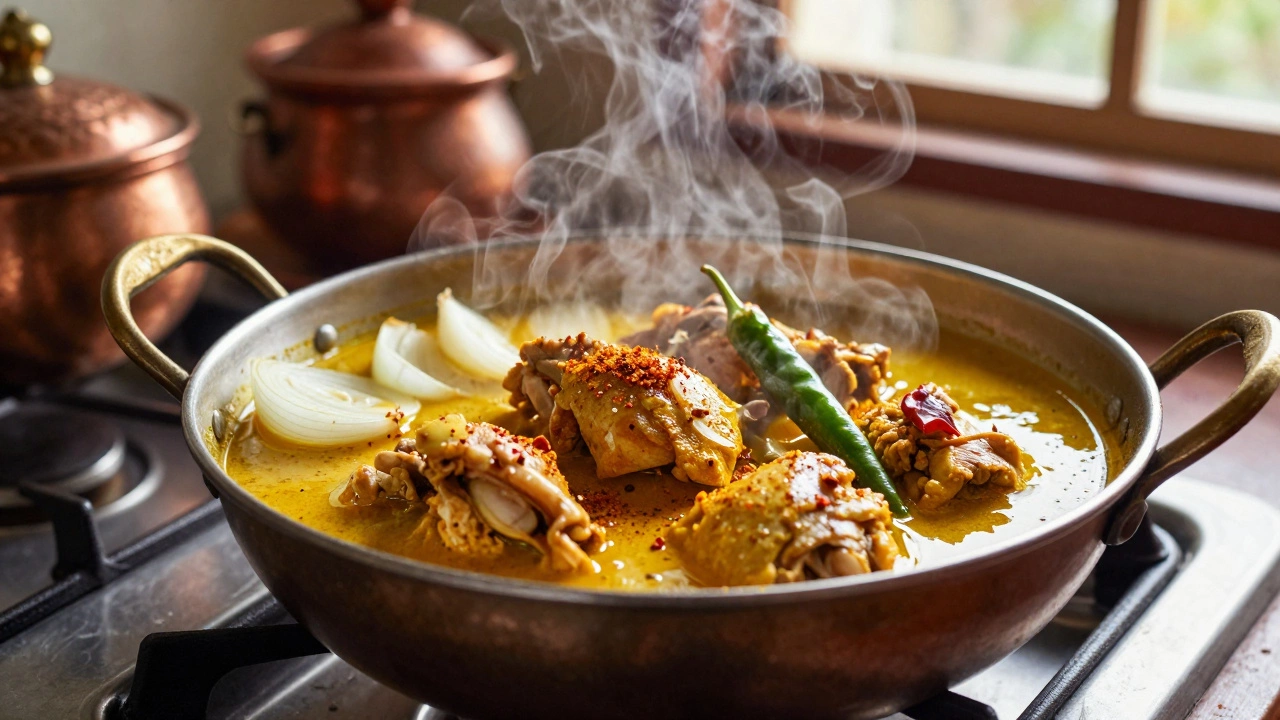
Can You Put Raw Chicken Into a Curry? Yes, Here's How to Do It Right
Yes, you can safely put raw chicken into a curry. Learn how to brown, simmer, and season it properly for tender, flavorful results every time-no pre-cooking needed.