Can You Put Raw Chicken Into a Curry? Yes, Here's How to Do It Right
 Dec, 1 2025
Chicken Curry Cooking Time Calculator
Calculate Your Curry Cooking Time
Get the right cooking time for raw chicken in your curry based on your chicken type, size, and cooking method. Follow the recommended times to ensure safe and delicious results.
Enter your preferences to calculate ideal cooking time.
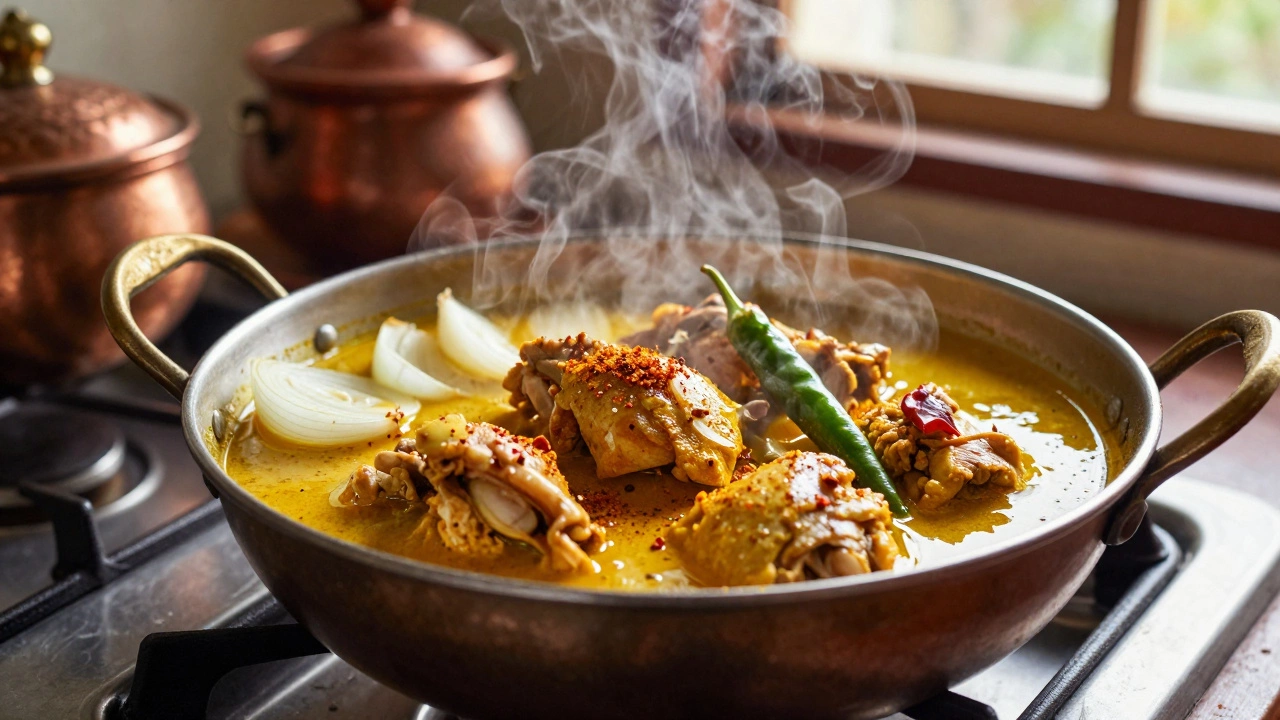
Ever stared at a raw chicken piece and wondered if tossing it straight into your simmering curry is safe-or even smart? You’re not alone. In homes across India, from Mumbai kitchens to Bangalore balconies, this question pops up every week. The answer isn’t just yes-it’s yes, and here’s exactly how to do it without risking your meal or your health.
Why Raw Chicken Works in Curry
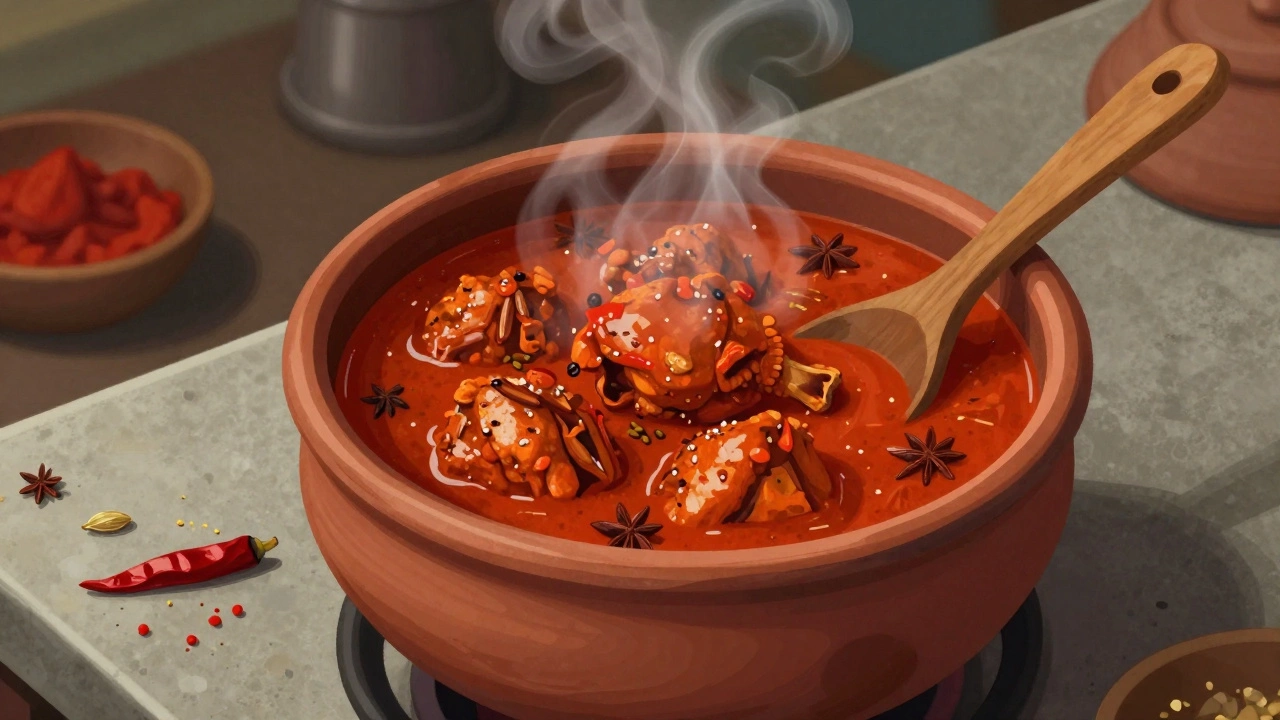
Traditional Indian curries, especially those from the North and South, have always cooked chicken from raw. Think of butter chicken from Delhi, chicken tikka masala from Punjabi homes, or Andhra chicken curry with its fiery red gravy. These dishes don’t start with pre-cooked chicken. They start with raw pieces, browned, then slow-simmered in spices and tomatoes.
Why does this work? Because the long, slow cooking process kills harmful bacteria like Salmonella and Campylobacter. The internal temperature of the chicken needs to hit 74°C (165°F), and that’s easily achieved when the curry simmers for 30-45 minutes. The spices don’t just add flavor-they help create an environment where pathogens struggle to survive.
Some people worry about raw chicken making the curry watery. That’s a myth. Chicken releases moisture as it cooks, yes-but that’s part of building the sauce. The key isn’t to avoid the water, but to manage it.
The Right Way to Add Raw Chicken to Curry
Adding raw chicken isn’t just about tossing it in. There’s a sequence that makes all the difference.
- Start with hot oil. Heat 2-3 tablespoons of oil (mustard, coconut, or vegetable) in a heavy-bottomed pot until it shimmers. Cold oil = soggy chicken.
- Brown the chicken first. Add chicken pieces (bone-in or boneless) in a single layer. Don’t stir right away. Let them sear for 3-4 minutes per side until golden. This locks in juices and builds flavor. Skipping this step means bland, rubbery chicken.
- Add aromatics next. Toss in chopped onions, garlic, ginger, and green chilies. Cook until the onions turn soft and translucent. This builds the base of your curry’s flavor.
- Spice it up. Add ground spices-turmeric, cumin, coriander, red chili powder-then stir for 30 seconds. Don’t let them burn. A quick toast in oil wakes up their oils and deepens the taste.
- Add tomatoes and liquid. Crushed tomatoes, tomato paste, or even tamarind pulp go in now. Let them break down and thicken. Then add water or broth-just enough to cover the chicken by about 1 inch.
- Simmer, don’t boil. Bring to a gentle bubble, then lower the heat. Cover and let it cook for 30-40 minutes. Check the chicken after 25 minutes. If the juices run clear and the meat pulls easily off the bone, you’re done.
This method gives you tender, juicy chicken soaked in flavor-not dry, overcooked bits floating in a watery mess.
What Happens If You Skip Browning?
Some people skip browning to save time. They dump raw chicken straight into the sauce and hope for the best. It’s tempting, but here’s what you get:
- Gray, rubbery chicken that doesn’t absorb spices
- A watery, thin curry that never thickens properly
- Flavor that’s flat and one-dimensional
When you brown chicken, you create something called the Maillard reaction. That’s the chemical process that turns proteins and sugars into complex, savory flavors. It’s why grilled meat tastes better than boiled meat. Skip it, and your curry loses its soul.
Bone-In vs. Boneless: Which Is Better?
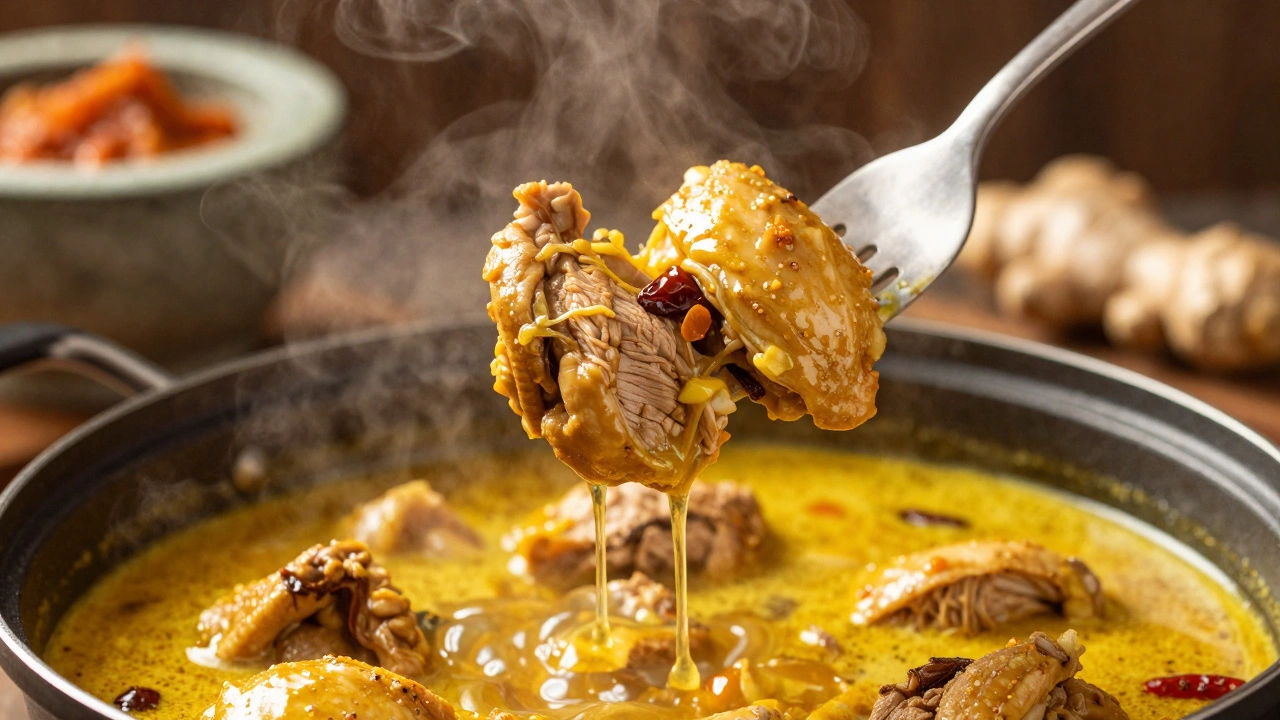
Bone-in chicken (thighs or drumsticks) is the classic choice for a reason. The bones add richness to the gravy as they simmer. Collagen breaks down into gelatin, giving your curry a silky mouthfeel you can’t get from boneless chicken alone.
Boneless chicken (breast or thigh cuts) cooks faster-20-25 minutes is enough. But it dries out easily if overcooked. If you use boneless, keep the heat low and check early. You don’t want chicken that’s stringy or chalky.
Pro tip: If you’re short on time, use boneless thighs. They’re more forgiving than breast meat and stay juicier.
Common Mistakes to Avoid
Even experienced cooks mess this up. Here are the top three errors:
- Adding chicken too early. If you throw chicken into cold spices or raw onions, it steams instead of sears. Always heat the oil first.
- Stirring too much. Constant stirring breaks the chicken apart and prevents browning. Let it sit. Flip once, then leave it alone.
- Using frozen chicken. Never add frozen chicken directly to curry. Thaw it first. Frozen meat lowers the pot’s temperature and delays cooking, increasing the risk of undercooked spots.
Also, don’t add yogurt or coconut milk until the end. Acidic or fatty ingredients can toughen the meat if added too early. Wait until the chicken is halfway cooked before stirring them in.
How to Tell If Your Chicken Is Done
You don’t need a thermometer to know. Here’s how to check without one:
- Insert a fork or knife into the thickest part. If the juices run clear-not pink-you’re good.
- Pull a piece apart with two forks. If it shreds easily and looks white inside, it’s cooked.
- Press the chicken with your finger. If it springs back, it’s done. If it feels soft and squishy, give it more time.
And yes, the color of the sauce doesn’t matter. A red curry with tomato and chili might look dark, but that doesn’t mean the chicken is cooked. Always check the meat itself.
Can You Use Leftover Cooked Chicken?
Yes-but differently. If you’re adding pre-cooked chicken (like from last night’s roast), don’t simmer it for more than 10 minutes. You’re not cooking it through-you’re just warming it in the sauce. Long cooking will dry it out and turn it rubbery.
For leftover chicken, add it at the very end. Stir gently, let it heat through, then turn off the heat. That’s how restaurants keep chicken tender in reheated curries.
Why This Method Is Safer Than You Think
Some people think raw chicken in curry is risky. But here’s the truth: Indian home cooks have been doing this for centuries. The combination of high heat, long cooking, and acidic ingredients (tomatoes, tamarind, yogurt) creates a natural barrier against pathogens.
A 2023 study by the Indian Council of Medical Research found that curries cooked for 40 minutes at a steady simmer killed 99.9% of Salmonella in raw chicken-even when starting with contaminated pieces. The spices-especially garlic, ginger, and turmeric-have natural antimicrobial properties that help.
So yes, it’s safe. But only if you cook it long enough. Don’t rush it.
What About Pressure Cookers?
Pressure cookers are popular for speed. You can absolutely use raw chicken in them.
Here’s how:
- Brown the chicken in the pot first (same as stovetop).
- Add spices, tomatoes, and liquid.
- Seal the lid and cook on high pressure for 10-12 minutes for bone-in, 6-8 for boneless.
- Let the pressure release naturally for 10 minutes before opening.
Pressure cooking locks in moisture and flavor. It’s faster, but you still need to brown the chicken first. Skipping that step in a pressure cooker? You’ll end up with soggy, flavorless chicken.
Final Tip: Taste as You Go
Every kitchen is different. Your stove, your pot, your chicken size-they all change the timing. Don’t set a timer and walk away. Check after 25 minutes. Taste the chicken. Taste the sauce. Adjust salt, spice, or water if needed. Curries are living dishes. They evolve as they cook.
Raw chicken in curry isn’t a shortcut. It’s the traditional, flavorful, safe way to make the dish right. And once you try it this way, you’ll never go back to pre-cooked chicken again.
Is it safe to cook raw chicken in a curry?
Yes, it’s safe as long as the chicken reaches an internal temperature of 74°C (165°F). Traditional Indian curries simmer for 30-45 minutes, which is more than enough to kill harmful bacteria. Browning the chicken first and cooking it slowly ensures even, thorough cooking.
Can I use frozen chicken in my curry?
No, don’t use frozen chicken directly. It lowers the pot’s temperature, delays cooking, and increases the risk of uneven cooking. Always thaw chicken in the fridge overnight or use the defrost setting on your microwave before adding it to the curry.
Should I brown chicken before adding it to curry?
Yes, always brown it. Searing the chicken in hot oil creates flavor through the Maillard reaction and helps lock in juices. Skipping this step results in bland, gray chicken that doesn’t absorb spices well.
How long should I cook raw chicken in curry?
For bone-in chicken, cook for 30-45 minutes on low simmer. For boneless chicken, 20-25 minutes is enough. Always check that the juices run clear and the meat pulls away easily from the bone.
Can I add yogurt or coconut milk with raw chicken?
Wait until the chicken is halfway cooked before adding yogurt or coconut milk. Acidic or fatty ingredients can toughen the meat if added too early. Stir them in after 15-20 minutes of simmering for the best texture.
Do I need a meat thermometer to check doneness?
Not necessarily. You can tell by sight: cut into the thickest piece. If the juices run clear and the meat is white throughout, it’s done. If it’s still pink or the juices are red, cook longer.