Chicken Marinade: Unlock Bold Indian Flavors
When working with chicken marinade, a blend of spices, acid, and fat that tenderizes and flavors chicken before cooking. Also known as marinated chicken, it spices such as cumin, coriander, and garam masala that add aroma and heat and yogurt a creamy dairy base that supplies protein and mild acidity. Adding lemon provides bright acidity that helps break down muscle fibers creates a balanced profile perfect for any Indian kitchen.
Why does a good chicken marinade matter? First, it enhances flavor penetration—the longer the chicken sits in the mixture, the deeper the taste travels into the meat. Second, the combination of acid (from lemon or yogurt) and enzymes (from ginger and garlic) marination time usually 30 minutes to overnight, depending on the cut and intensity directly influences tenderness. Third, the oil or butter in the mix carries fat-soluble spices, ensuring the heat later in the pan or grill releases their full aroma. These three elements—flavor, acidity, and fat—form a simple semantic triple: chicken marinade requires acidity, uses spices, and delivers tenderness.
Key Ingredients and Their Roles
Let’s break down the star players. Ginger garlic paste adds pungent heat and natural tenderizing enzymes is a non‑negotiable base in most Indian marinades. Turmeric provides earthy notes and a golden hue while offering anti‑inflammatory benefits often joins the mix for color and health. For heat lovers, red chili powder brings controlled spiciness that can be adjusted to taste. Finally, a splash of mustard oil or ghee adds richness and locks in moisture during cooking. Each ingredient is a node that connects back to the central idea of a balanced chicken marinade.
Regional twists keep the concept fresh. In the north, you’ll find the classic tandoori chicken marinade heavy on yogurt, Kashmiri red chili, and smoked paprika. Down south, coconut milk or tamarind replace yogurt for a tangy, tropical feel, while the east uses mustard paste and poppy seeds for a distinctive bite. These variations illustrate another semantic connection: chicken marinade varies by region, incorporates local ingredients, and creates unique flavor maps across India.
Practical tips help you avoid common pitfalls. Over‑marinating can make the meat mushy because the acid breaks down proteins too much—aim for 2–4 hours for boneless pieces and up to 12 hours for bone‑in cuts. Always pat the chicken dry before searing; excess moisture creates steam that prevents the coveted caramelized crust. If you’re grilling, pre‑heat the grill to medium‑high and oil the grates to stop sticking. For pan‑frying, start with a hot skillet, add a drizzle of oil, and let the chicken sit untouched for a few minutes to develop a golden sear before flipping.
Wondering how to test whether your marinade is on point? A quick smell test—if you can sense the warmth of cumin, the sharpness of garlic, and the citrus zing of lemon, you’re good to go. Taste a tiny dab of the raw mixture; it should be vibrant but not overpoweringly salty, as the chicken will absorb some of that seasoning during cooking.
Below, you’ll find a curated collection of articles that dig deeper into each aspect of chicken marinades. From timing tricks for garlic and ginger to the science behind lemon’s curdling power, the posts cover everything you need to master the art. Dive in to upgrade your home cooking, impress guests, and keep your palate excited with new flavor combos.
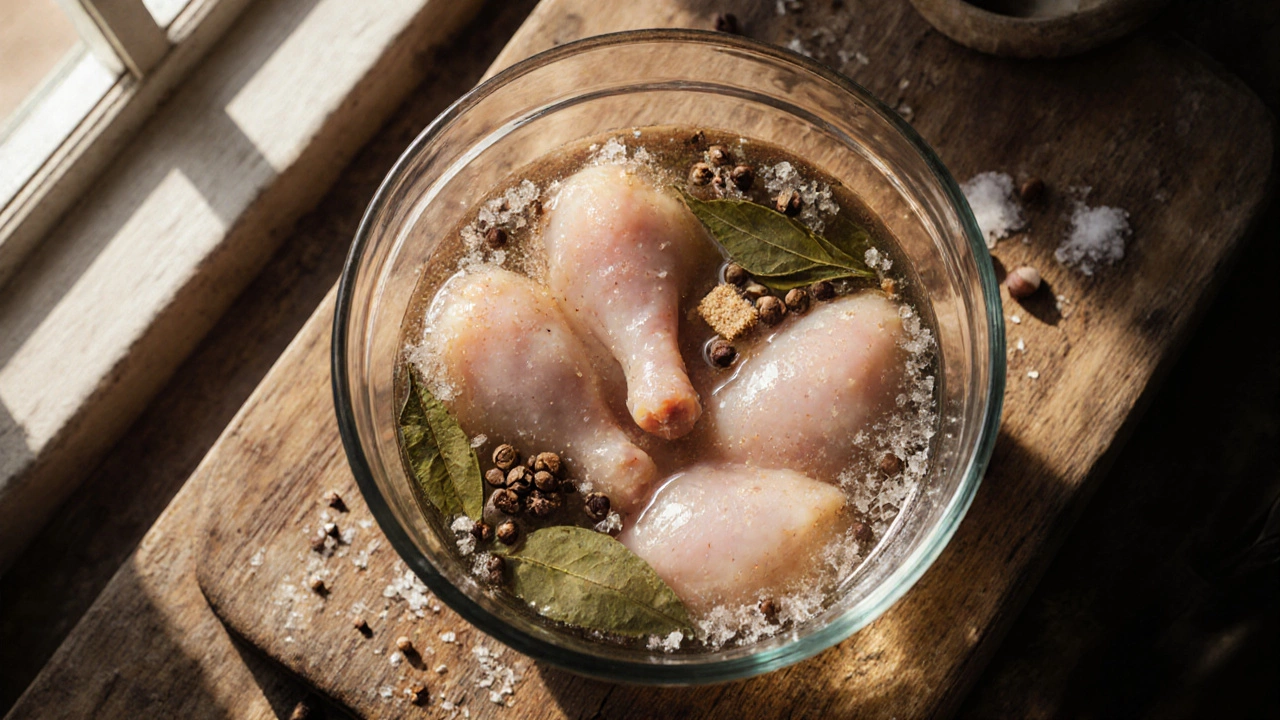
Best Soaks to Make Chicken Tender - Simple Tips for Juicy Results
Discover the best liquids to soak chicken for ultimate tenderness. Learn brining, buttermilk, yogurt, citrus, and enzymatic methods with timing, ratios, and tips.