Eating Old Paneer: Safety, Flavor, and Storage Guide
When working with eating old paneer, the practice of consuming paneer that has been stored beyond its peak freshness. Also known as paneer past its prime, it requires a clear understanding of food safety, the set of rules and habits that protect us from harmful microbes and the nature of paneer, a soft, unaged cheese made from curdled milk and a staple of Indian cooking. Because paneer is a dairy product, its shelf life is tightly linked to temperature, humidity, and handling practices. Understanding these connections helps you decide if the cheese is still good to eat.
eating old paneer often raises a simple question: how can you tell if it’s safe? The answer lies in spotting spoilage, the process where bacteria, yeast, or mold break down food, changing its texture, smell, and taste. Spoilage is influenced by storage conditions, so a refrigerator set at 4°C (40°F) can extend freshness, while a warm kitchen will accelerate decay. If you notice a sour odor, slimy surface, or discoloration, those are clear signs that the paneer has passed its safe window. This triple—eating old paneer involves checking spoilage, which is driven by storage temperature—captures the core decision‑making process.
Health Risks and Flavor Changes
Even if the paneer looks okay, hidden microbes can still pose health risks. Foodborne illnesses caused by *Listeria* or *Staphylococcus* often thrive in dairy that’s been left too long at unsafe temperatures. That’s why food safety guidelines recommend discarding any paneer that’s been unrefrigerated for more than two hours. On the flavor side, old paneer may develop a stronger, tangy taste that some people enjoy in certain recipes, like spicy curries where the sharpness adds depth. However, this texture shift also means the cheese might crumble more easily, affecting how it melts in dishes. Balancing these taste benefits against potential health hazards is essential for a smart kitchen.
Below you’ll find a curated collection of articles that dive deeper into related topics—ranging from the cultural reasons behind meat avoidance in India to the science of curdling milk with lemon. Each piece adds a layer of insight, whether you’re looking for quick tips on roti puffing or the nutritional profile of dal. Armed with this background, you can confidently decide when old paneer is still a tasty addition to your meal and when it’s time to toss it out.
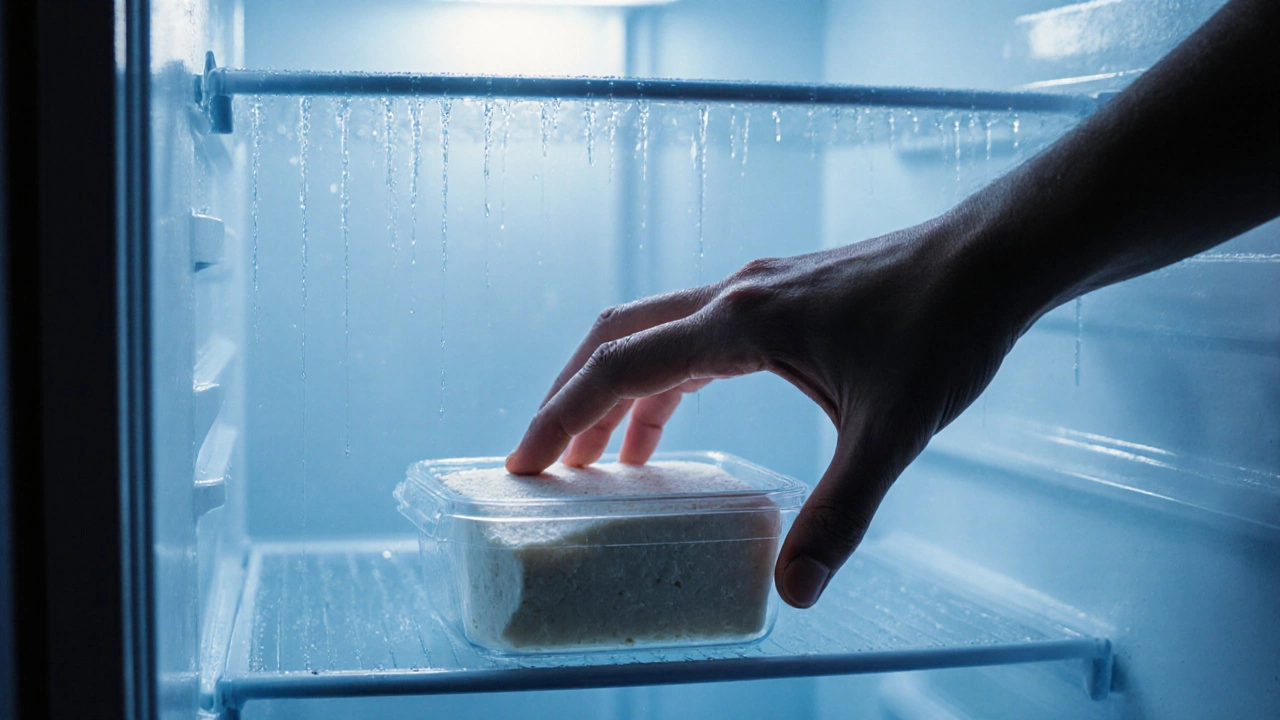
Can I Eat 7‑Day‑Old Paneer? Safety, Signs, and Tips
Learn if 7‑day‑old homemade paneer is safe to eat, how to spot spoilage, storage tips, and quick FAQs for confident cooking.