Indian Bread Nutrition: What You Need to Know About Roti, Naan, and More
When you think of Indian bread, a broad category of flatbreads made from wheat, rice, or other grains, commonly eaten daily across India. Also known as roti, it’s not just a side dish—it’s the foundation of most Indian meals. Whether it’s a simple roti fresh off the tawa or a buttery naan, a leavened bread baked in a tandoor, often made with refined flour and dairy, these breads carry more than flavor—they carry calories, fiber, protein, and sometimes hidden sugars. Many assume all Indian breads are healthy, but that’s not true. The difference between a whole wheat roti and a white flour naan can be as big as the difference between an apple and a donut.
Let’s break it down. A standard 6-inch whole wheat roti has about 70 calories, 3 grams of protein, and 2 grams of fiber. It’s low in fat, no added sugar, and digests slowly—perfect for keeping you full until lunch. On the other hand, a typical restaurant naan can hit 250 calories, with 10 grams of fat and almost no fiber. Why? Because it’s made with white flour, yogurt, ghee, and sometimes sugar. Even paratha, a layered flatbread often stuffed and fried with ghee or oil, can be a calorie bomb if you’re not careful. But here’s the good news: you can make healthier versions at home. Swap white flour for whole wheat, use less oil, skip the sugar, and you’re not just eating bread—you’re eating fuel that works for your body.
Indian bread nutrition isn’t just about calories. It’s about how it fits into your whole meal. Pair a roti with dal and vegetables, and you get a balanced plate with protein, fiber, and complex carbs. Eat naan with creamy korma, and you’re loading up on saturated fat. The science is simple: the best Indian breads are the ones closest to their natural form—unrefined, unprocessed, and made with minimal ingredients. That’s why so many people in rural India eat roti daily and stay healthy, while urban diets loaded with naan and bhatura are linked to rising diabetes rates. You don’t need to give up your favorite breads—you just need to know which ones to choose, when, and how to make them better.
Below, you’ll find real, practical posts that dig into exactly this: which Indian breads give you energy without the crash, how to make them at home with better nutrition, and what to avoid if you’re watching your weight, blood sugar, or gut health. No fluff. No guesses. Just clear, tested info from people who cook these breads every day.
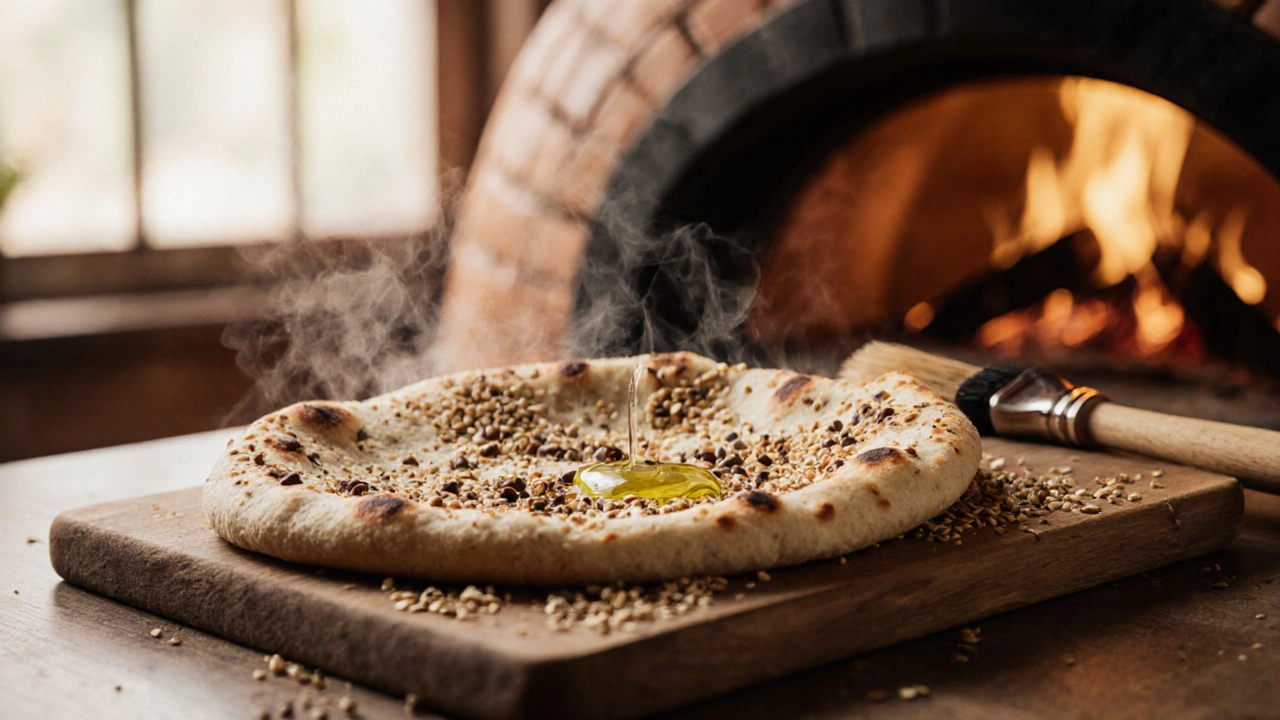
Is Naan Healthy? What You Need to Know About This Popular Indian Bread
Is naan healthy? It depends on how it's made. Refined flour and butter make it high in calories and low in fiber, but whole wheat, homemade naan can fit into a balanced diet. Learn how to eat it smarter.