Indian Food Staples – The Core of Everyday Meals
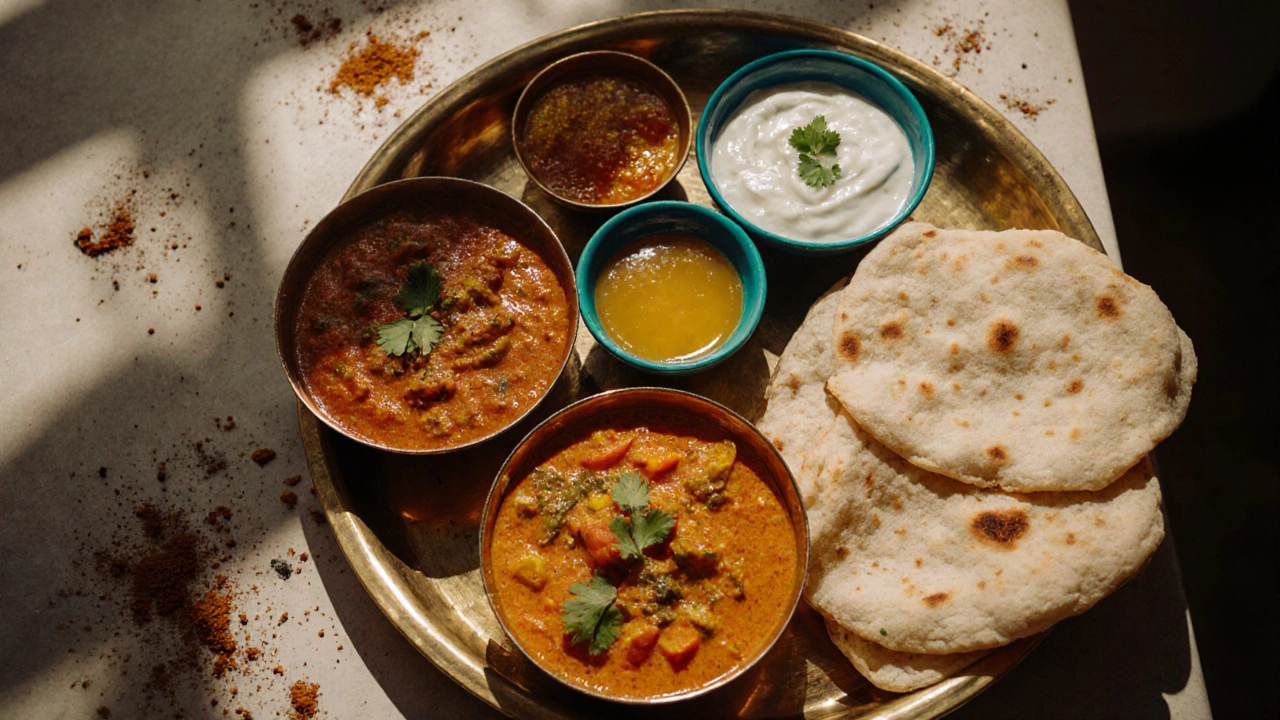
When talking about Indian food staples, the everyday foods that form the base of most Indian meals such as roti, rice, dosa and dal. Also known as Indian staple foods, they shape the daily diet of millions across the sub‑continent.
If you’re searching for Indian food staples you’re in the right place. These foods are more than just sustenance; they carry cultural stories, regional twists, and nutritional punch that keep families healthy.
Roti – The Universal Flatbread
One of the most common staples is Roti, a whole‑wheat flatbread baked on a hot griddle. Also called chapati, roti is valued for its quick preparation and ability to pair with any curry or dal. Roti requires a kneaded dough, a hot tawa, and a puff‑inducing technique that many home cooks perfect over time.
Roti’s versatility means it appears in articles about puffing problems, baking soda tricks, and storage tips, showing how a simple staple can involve skillful nuances.
Indian food staples encompass roti, rice, dosa, and dal, creating a balanced plate that delivers carbs, protein, and fiber.
Cooking Indian food staples requires proper technique; for example, the right dough hydration helps roti stay soft, while a hot surface gives it those signature brown spots.
Rice – The Grain That Holds It All Together
Another pillar is Rice, the staple grain that fuels breakfasts, lunches, and dinners across India. Known also as Basmati or Sona Masoori, rice’s aroma and texture change with each region. Soaking rice before grinding dosa batter, for instance, shortens fermentation time and improves crispness.
Rice also shows up in tips about lemon addition in biryani, where acidity keeps the grains fluffy and bright. The grain’s adaptability makes it a frequent subject in health, flavor, and technique posts.
Dosa – The Fermented Crepe
Dosa starts with a batter of rice and urad dal, fermented to develop tangy flavors. The soaking step, covered in an article about ideal rice soaking time, directly influences batter consistency and final crispness.
Adding curd to the batter, highlighted in another guide, boosts fermentation and gives dosa its signature tang. These details illustrate how a staple like dosa blends grain science with traditional know‑how.
Dal – Protein‑Packed Legumes
Legumes round out the staple set with Dal, a broad category of lentils and peas used in soups, stews, and side dishes. Also called lentil soup, dal provides essential protein and fiber.
Understanding whether dal is more protein or carb, as explained in one article, helps cooks balance meals. Soaking dal, another frequent topic, reduces cooking time and improves digestion, directly affecting the nutrient profile of the final dish.
The nutritional value of dal influences daily meals, making it a cornerstone of health‑focused Indian cuisine.
All these staples—roti, rice, dosa, dal—interact with spices, herbs, and cooking methods that shape flavor, texture, and nutrition. By mastering the basics, you can tweak recipes for different regions, dietary needs, or time constraints.
Below you’ll find a curated list of articles that dive deeper into each staple, from safety tips for paneer to the science behind adding lemon to biryani. Whether you’re a beginner or a seasoned cook, the insights ahead will help you cook Indian food staples with confidence and creativity.
Indian Vegetarian Meal Explained: Dishes, Ingredients, and Nutrition
Explore what defines an Indian vegetarian meal, its staple dishes, regional twists, nutrition facts, and easy tips to build a balanced, flavorful plate.