Indian Sugar Terms
When working with Indian sugar terms, the collection of names used across India for various forms of sugar and sweeteners. Also known as Indian sweeteners, it includes everything from white refined sugar to rustic unrefined varieties. Indian sugar terms encompass regional variants, influence flavor profiles, and affect how recipes turn out. Understanding these terms requires a bit of cultural context, because the same word can mean different things in Gujarat, Bengal, or Tamil Nadu. This opening paragraph sets the stage for the rich terminology you’ll encounter in the articles below.
Why knowing these names matters
One of the most common traditional sweeteners is jaggery, a solid block of unrefined cane or palm sugar. It’s also called gur in many Hindi‑speaking regions. Jaggery gives a deep caramel note to dishes like gajar halwa and puran poli, and it’s a key ingredient in many festive sweets. The relationship is clear: jaggery influences the flavor profile of classic Indian desserts, and knowing it helps you substitute or adjust sweetness accurately.
Another widely used term is khandsari, a coarse brown sugar made from the first pressing of sugarcane juice. Khandsari retains molasses, so it delivers a milder, slightly earthy sweetness compared to jaggery’s intense richness. Because it’s less processed, khandsari offers a lower glycemic impact, making it a popular choice for households looking for a healthier alternative. Recognizing khandsari’s properties lets home cooks decide when to use it instead of refined white sugar, especially in recipes that benefit from its subtle flavor.
Beyond jaggery and khandsari, India’s markets flood you with names like shakkar, the Hindi word for refined white sugar, and sakkar used in Urdu‑speaking areas. In South India, you’ll hear karuppu sakkarai for brown sugar and tengina sakkarai for palm sugar. These regional labels matter because they signal differences in processing, flavor, and even texture. Knowing that “shakkar” often refers to the fine crystal you’d find in a tea shop helps you avoid confusion when following a recipe that calls for “coarse shakkar”.
When you start mixing these sweeteners into curries, chutneys, or baked goods, the choice of sugar can change the dish’s chemistry. For example, adding a pinch of jaggery to a tomato‑based curry balances acidity and adds depth, while a dash of khandsari in a spice‑laden lentil stew can soften bitterness. Understanding Indian sugar terms therefore requires familiarity with local markets and traditional cooking methods; it’s not just a vocabulary lesson but a practical guide to achieving the right taste and texture. This knowledge also ties into health considerations – choosing less refined options like jaggery or khandsari can provide trace minerals that white sugar lacks.
Now that you’ve got a handle on the main players – jaggery, khandsari, shakkar, and their regional cousins – you’ll see why the term “Indian sugar terms” is more than a linguistic quirk. It’s a toolkit for navigating Indian kitchens, whether you’re shopping at a roadside stall or adapting a family recipe for a modern pantry. Below you’ll find articles that dive deeper into each sweetener, explore substitution tips, and share cultural stories that bring these ingredients to life. Keep reading to discover how each term fits into the broader world of Indian cooking and how you can use them to elevate your own dishes.
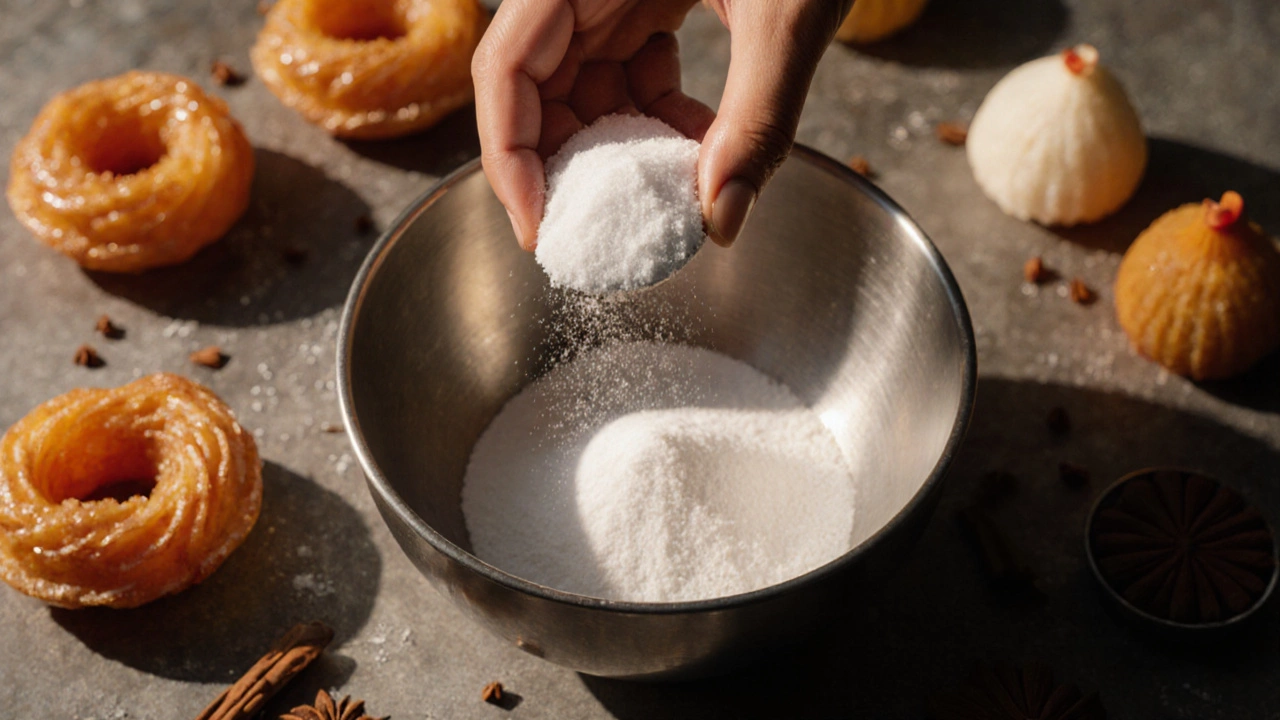
What’s the Indian Word for Sugar? Hindi, Regional Terms & Sweet Recipes
Discover the Indian word for sugar, its regional variations like shakkar and cheeni, and how these terms shape classic sweet recipes.