Indian Superfood Snacks: Nutritious Bites from the Subcontinent
When exploring Indian superfood snacks, nutrient‑rich bite‑size foods rooted in Indian tradition. Also known as healthy Indian snacks, they combine wholesome ingredients with bold spices to boost energy and nutrition. Chickpeas, a legume packed with protein and fiber, Lentils, small pulses high in iron and plant‑based protein, Makhana, fox nuts low in calories and rich in antioxidants, and aromatic Spices, turmeric, cumin, and fenugreek that add flavor and health benefits form the core of these snacks. In simple terms, Indian superfood snacks encompass protein‑dense legumes, require minimal oil and quick prep, and benefit from spice‑driven anti‑inflammatory properties. This makes them perfect for anyone chasing a balanced diet without compromising taste.
Why Choose Indian Superfood Snacks?
First, the ingredient list reads like a nutrition textbook: protein from chickpeas and lentils, fiber that keeps digestion smooth, healthy fats from nuts, and micronutrients from spices. Our recent post on dal nutrition showed that certain dal varieties deliver more protein than you’d expect, and the same principle applies when you roast or sprout them for snacks. Second, the preparation methods—soaking, roasting, or lightly frying—are covered in articles about ideal rice soaking for dosa batter and dal soaking techniques. Those same steps unlock maximum nutrient absorption, meaning you get more bang for your bite.
Third, Indian superfood snacks are versatile. Whether you prefer a crunchy bite like roasted makhana, a tangy bite of spiced chana, or a fermented treat like dhokla, each option fits a different mood. Our guide on curd in dosa batter explains how fermentation boosts probiotic content, a trick you can borrow for fermented snack doughs. Meanwhile, the “paneer vs tofu” comparison highlights plant versus dairy protein, giving you the freedom to swap ingredients based on dietary preference.
Fourth, these snacks sync with modern health trends. The “Thai vs Indian food” analysis pointed out that Indian dishes often pack more fiber and plant compounds, thanks to legumes and spices. By focusing on superfood snacks, you automatically lean into those advantages: lower glycemic impact, sustained satiety, and natural antioxidants. And if you’re watching sodium, our tips on using lemon in biryani illustrate how acidity can brighten flavor without extra salt—apply the same principle to a lemon‑spritzed chickpea mix.
Finally, the cultural story behind each snack adds extra flavor. The “classic Indian dishes” piece reminded us that many beloved meals started as humble street foods, evolving into regional specialties. Snacks like poha, sev, and chakli have roots in festivals and daily rituals, meaning every bite carries a slice of history. When you make these at home, you’re not just snacking—you’re preserving a culinary legacy while feeding your body right.
Below you’ll find a hand‑picked gallery of articles that dive deeper into each ingredient, technique, and health tip mentioned here. From mastering the perfect chickpea roast to unlocking the power of lentil fermentation, the collection offers step‑by‑step guidance, quick nutrition facts, and easy tweaks for every kitchen skill level. Explore the list and start turning ordinary pantry staples into extraordinary superfood snacks today.
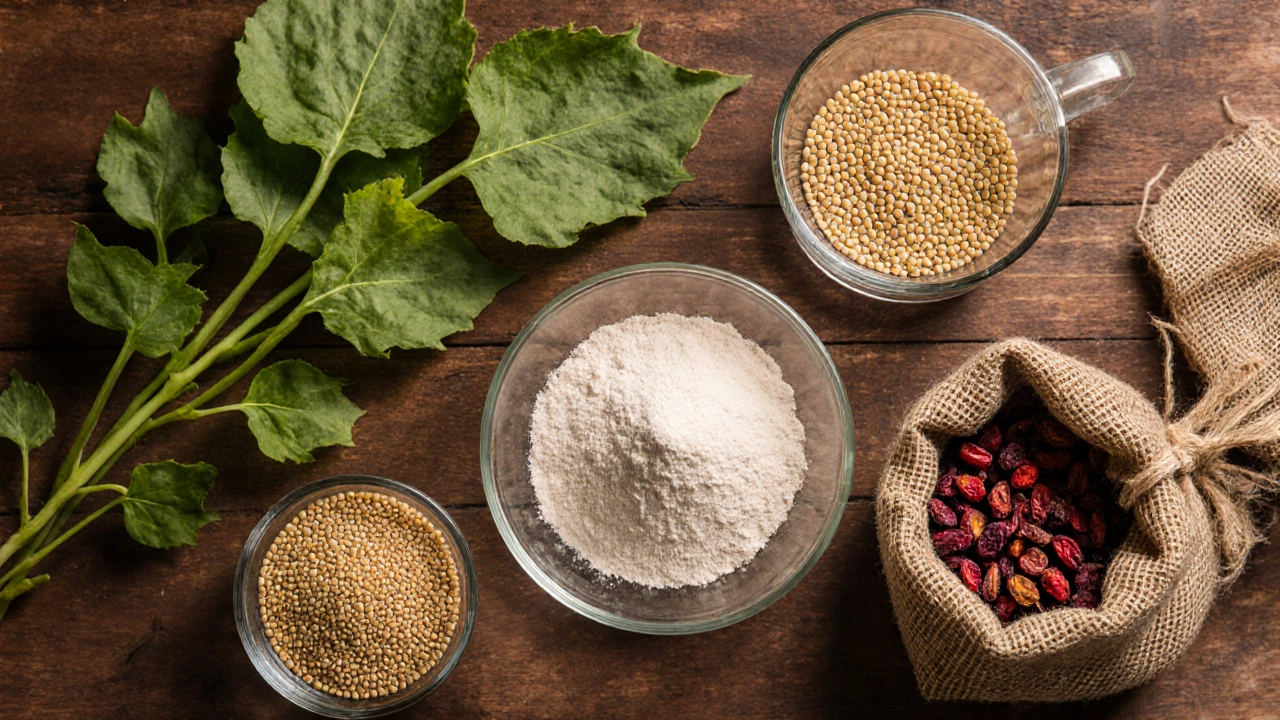
World’s Healthiest Food: Top Nutrient-Packed Superfoods Explained
Discover the world's most nutrient‑dense foods, why moringa leaves lead the pack, and how to boost Indian snacks with superfoods for real health benefits.