World’s Healthiest Food: Top Nutrient-Packed Superfoods Explained
 Oct, 18 2025
Superfood Nutrient Calculator
Nutrient Calculator
Calculate micronutrients in your favorite superfoods based on serving size
Nutrient Results
Quick Takeaways
- Moringa leaves rank highest in overall nutrient density.
- Amaranth, quinoa, and millets offer plant‑based protein without gluten.
- Indian snacks can be upgraded with these superfoods for a tasty health boost.
- Watch out for hidden sugars and excess oil when adapting recipes.
- Use the checklist at the end to keep your pantry superfood‑ready.
When you hear the word “superfood,” you probably picture exotic berries or imported grains. But the truth is that the healthiest food on Earth often grows right in your backyard or kitchen garden. This guide breaks down the science behind the most nutrient‑dense items, shows how they stack up against each other, and gives you real‑world ways to turn everyday Indian snacks into power‑packed bites.
How We Rank “Healthiest”
Nutritionists use three main lenses to decide what makes a food “the healthiest.” First, the micronutrient density - how many vitamins and minerals fit into a gram of edible portion. Second, the protein‑to‑calorie ratio - essential for muscle repair and satiety. Third, the presence of bioactive compounds like polyphenols, flavonoids, and antioxidants that fight inflammation.
We gathered data from the USDA FoodData Central, the Indian Council of Medical Research (ICMR), and recent peer‑reviewed studies (2023‑2024). Each food was scored on a 100‑point scale, with equal weight given to the three lenses. The result? A short list of foods that consistently beat the rest, no matter where you’re eating.
Top Global Superfoods
Below are the five foods that topped our nutrient‑density index. For each, we note the key nutrients, typical Indian serving size, and a quick tip for snack‑time integration.
| Food | Calories | Protein (g) | Vitamin C (mg) | Iron (mg) | Key Bioactives |
|---|---|---|---|---|---|
| Moringa leaves - a fast‑growing, drought‑resistant tree leaf. | 64 | 9.4 | 220 | 4.0 | Quercetin, Kaempferol, Vitamin A |
| Amaranth (seed) | 371 | 14.0 | 0.0 | 5.2 | Lysine, Squalene, Phenolic acids |
| Quinoa (cooked) | 120 | 4.4 | 0.0 | 1.5 | Saponins, Flavonoids, Magnesium |
| Finger millet (ragi, cooked) | 83 | 3.3 | 0.0 | 3.0 | Calcium, Polyphenols, Tryptophan |
| Goji berries (dried) | 349 | 14.3 | 48.4 | 6.8 | Lycium barbarum polysaccharides, Zeaxanthin |
Why Moringa Leaves Top the List
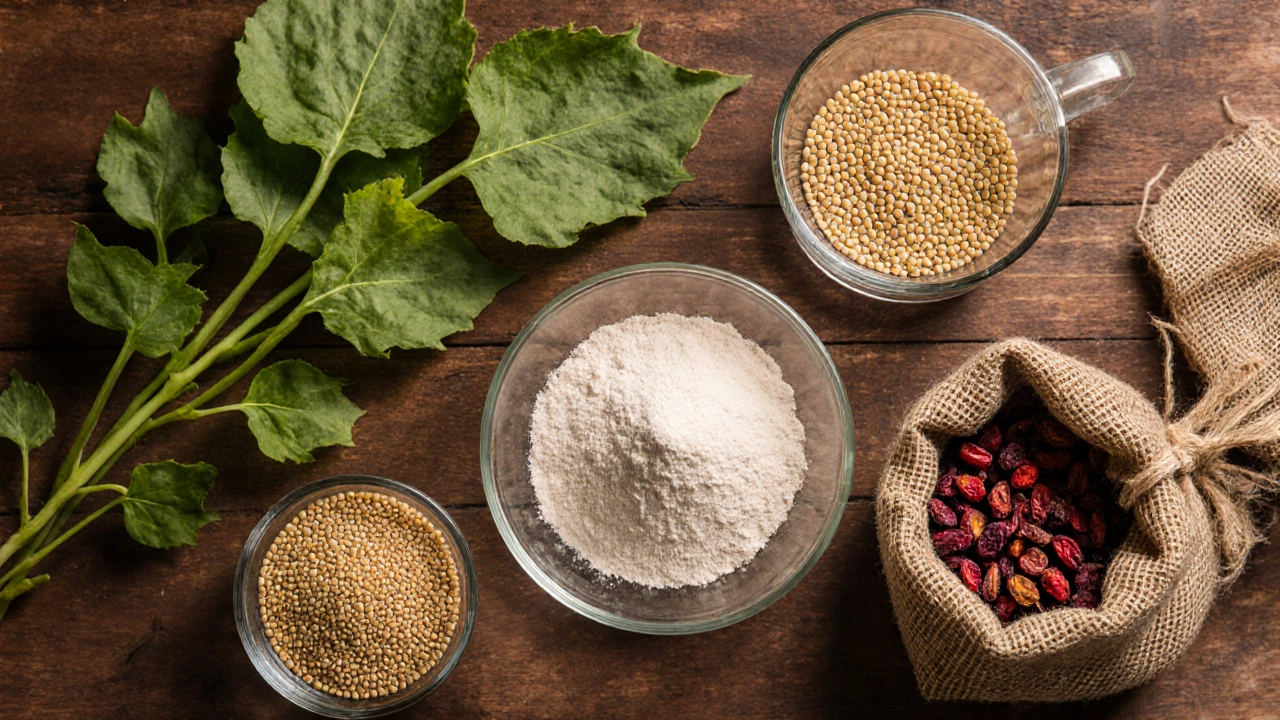
Moringa Moringa oleifera is often called the “miracle tree.” One cup of fresh leaves supplies more vitamin C than an orange, twice the iron of spinach, and a full dose of vitamin A. The leaf also packs a suite of flavonoids that protect cells from oxidative damage.
In Indian households, moringa is already a staple in dal and chutney. Its slightly bitter flavor pairs well with tamarind, making it an ideal candidate for snack‑time twists.
Indian Snack Makeovers Using Superfoods
Here are three beloved street‑food classics, each upgraded with a superfood boost that doesn’t sacrifice flavor.
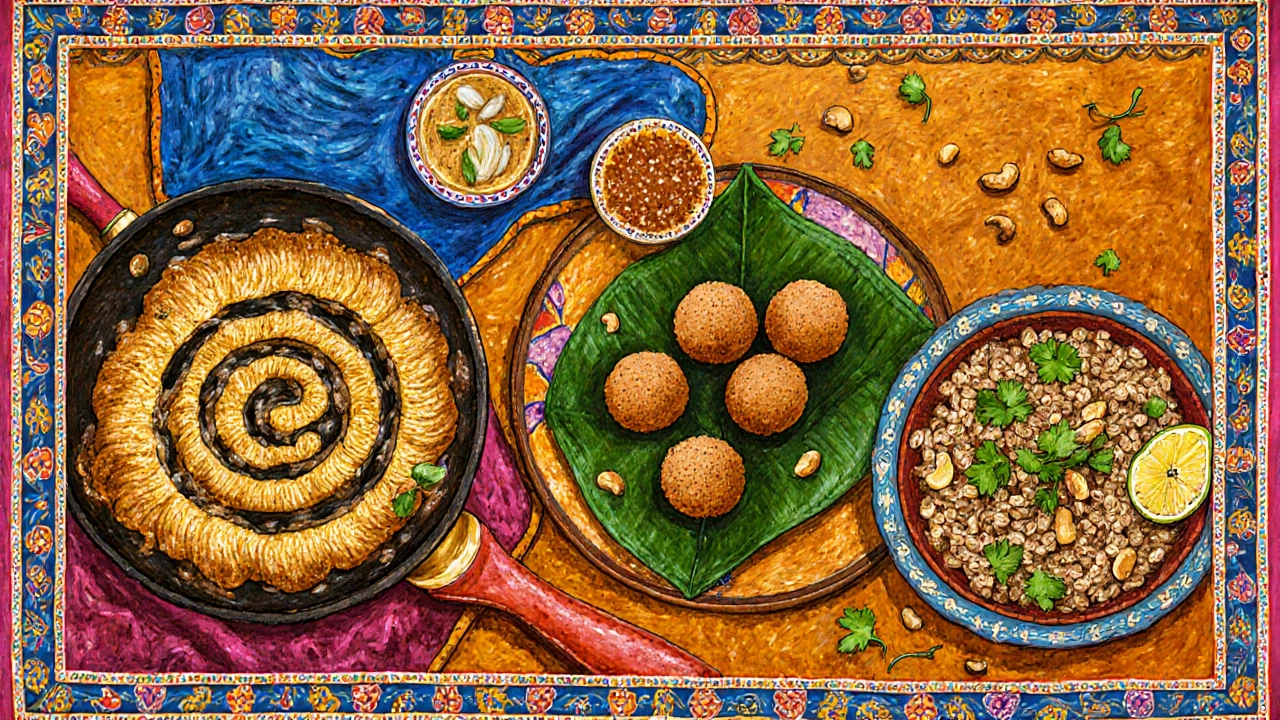
- Moringa‑Spiced Murukku: Replace half the rice flour with moringa leaf powder. Add a pinch of asafoetida and fry in coconut oil for a crunchy, iron‑rich treat.
- Amaranth‑Ladoo: Roast amaranth seeds, blend with jaggery, ghee, and toasted sesame. Shape into bite‑size balls for a protein‑packed sweet.
- Quinoa‑Bhel: Swap puffed rice with cooked quinoa. Toss with chaat masala, coriander, peanuts, and a squeeze of lemon for a high‑fiber, low‑glycemic snack.
All three recipes stay under 150 calories per serving while delivering at least 5 g of protein and a good dose of micronutrients.
Practical Checklist for a Superfood‑Ready Kitchen
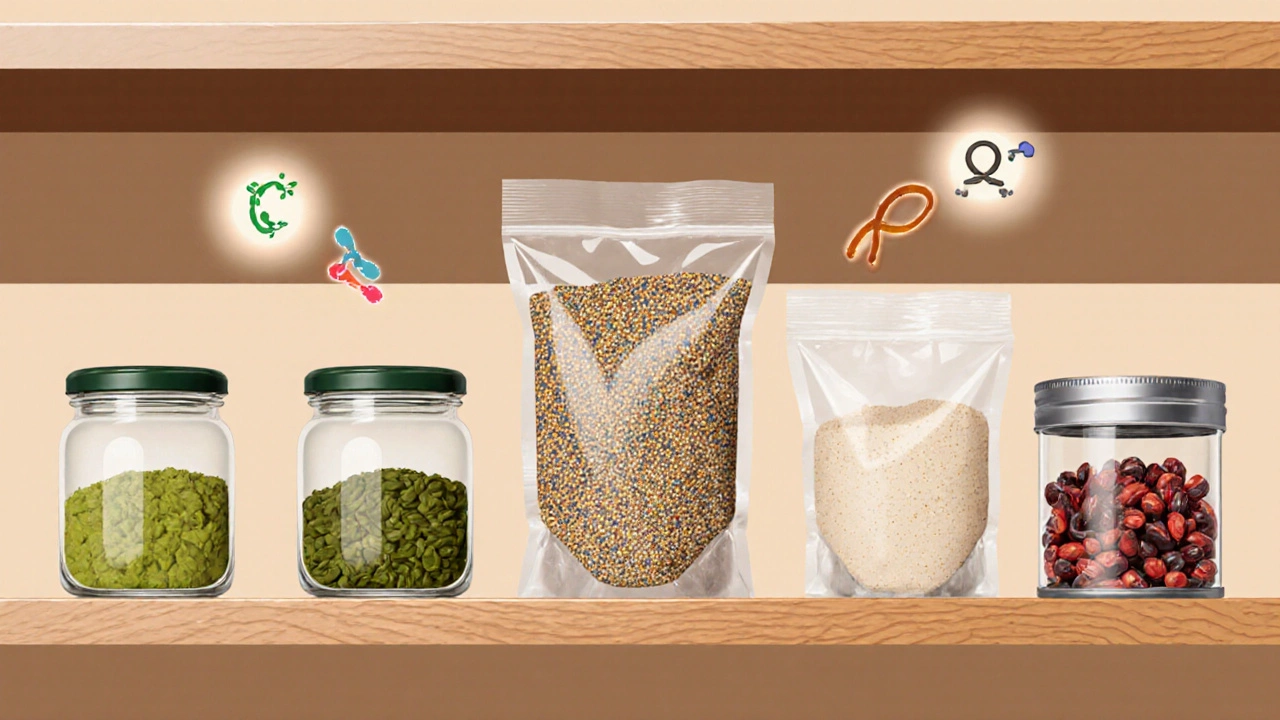
- Keep a jar of dried moringa leaf powder in a cool, dark place.
- Buy amaranth seeds in bulk; they store well for up to a year.
- Choose pre‑washed quinoa; rinse before cooking to remove saponins.
- Stock finger millet flour for rotis, dosas, and healthy poriyal.
- Keep a small stash of dried Goji berries for on‑the‑go snacking.
Having these items handy turns an impulse craving for samosa or sev into an opportunity to fuel your body with top‑tier nutrition.
Common Myths About “Superfoods”
Myth #1: You need to eat a single superfood every day to reap benefits. Reality: Variety matters more than frequency. Mixing moringa, millet, and quinoa across meals covers a broader spectrum of nutrients.
Myth #2: All “superfood” powders are created equal. Reality: Processing can strip heat‑sensitive vitamins. Look for cold‑pressed, minimally processed powders, especially for moringa and turmeric.
Myth #3: Superfoods are only for vegans. Reality: Even meat‑eaters can boost their micronutrient intake by adding a spoonful of chia seeds or a side of quinoa to a chicken curry.
Mini FAQ
Which superfood has the highest vitamin C content?
Moringa leaves contain about 220 mg of vitamin C per 100 g, dwarfing most fruits and vegetables.
Can I store moringa powder in the refrigerator?
Yes, refrigeration extends shelf life and protects the delicate antioxidants from heat and light.
Is quinoa gluten‑free?
Absolutely. Quinoa is a seed, not a grain, and is safe for celiac patients.
How much amaranth should I eat daily?
A quarter cup of dry amaranth (about 30 g) provides roughly 6 g of protein and fits well into most calorie goals.
Do Indian spices affect the nutrient profile of superfoods?
Many spices, like turmeric and cumin, add anti‑inflammatory compounds that complement the existing nutrients.
Start experimenting today. Swap just one ingredient in your favorite snack, track how you feel, and let the science of nutrient density work for you.