Indian Vegetarian Food: Simple, Nutritious, and Full of Flavor
When you think of Indian vegetarian food, a diverse, spice-rich tradition centered on plant-based ingredients like lentils, legumes, dairy, and seasonal vegetables. Also known as vegetarian Indian cuisine, it’s not just a diet—it’s a way of eating that feeds families, supports health, and honors regional customs across the country. You won’t find meat here, but you’ll find deep flavor, satisfying textures, and meals that keep you full for hours. From breakfast dal to evening snacks like roasted chana, this food culture was built on what grows well, lasts long, and tastes even better with a little turmeric and cumin.
At the core of this cuisine are dal, lentils cooked slow or fast, depending on the type, and often served with rice or roti. Also known as lentils, they’re the protein backbone of millions of Indian households. Not all dals need soaking—yellow moong, for example, cooks in under 30 minutes. Then there’s paneer, a fresh, non-melting cheese made by curdling milk with lemon or vinegar. Also known as Indian cottage cheese, it’s the star of creamy curries and street snacks alike. These aren’t fancy ingredients—they’re everyday staples. And they’re not just tasty; they’re smart. A plate of dal, rice, and vegetables gives you protein, fiber, and complex carbs—all in one bowl. That’s why Indian vegetarian meals work so well for weight loss, gut health, and steady energy.
What makes this food even more powerful is how it connects to real life. You don’t need fancy tools or hours of prep. A pressure cooker, a tawa, and a few spices are all you need. Whether you’re making dosa batter with soaked urad dal, frying makhana for a crunchy snack, or whipping up a mild butter chicken with paneer for the kids, every dish has a purpose. And the best part? You can tweak it. Swap milk for plant-based if you’re vegan, skip the butter if you’re watching calories, or add more greens if you want extra fiber. This isn’t rigid cooking—it’s flexible, forgiving, and built for real people with real lives.
Below, you’ll find real answers to real questions: Why does your roti not puff? Which dal is best at night? Is naan healthy? Can you make paneer with low-fat milk? These aren’t theory questions—they’re the ones people ask in their kitchens every day. And the answers here? They come from tested methods, not blogs. No fluff. No guesswork. Just what works.
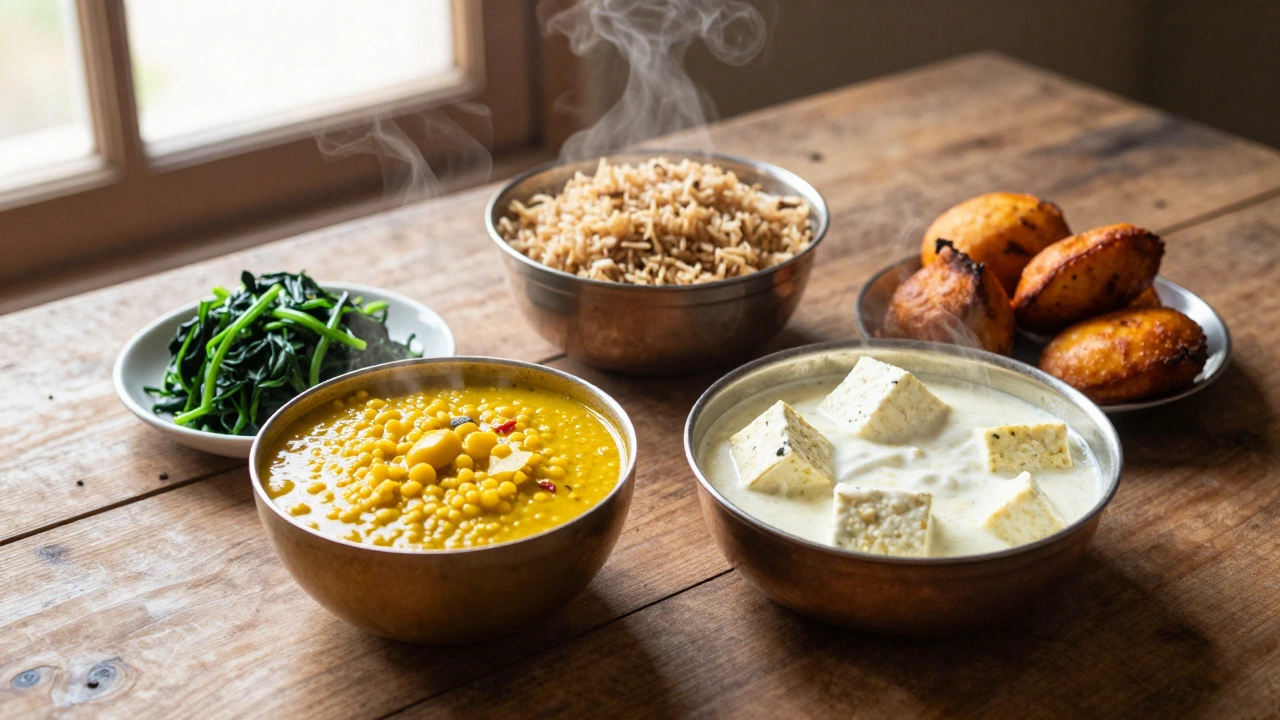
Is Indian Vegetarian Food Healthy? The Truth About Nutrition and Balance
Discover if Indian vegetarian food is actually healthy. Learn about protein sources, the power of spices, and how to avoid the carb trap for a balanced diet.
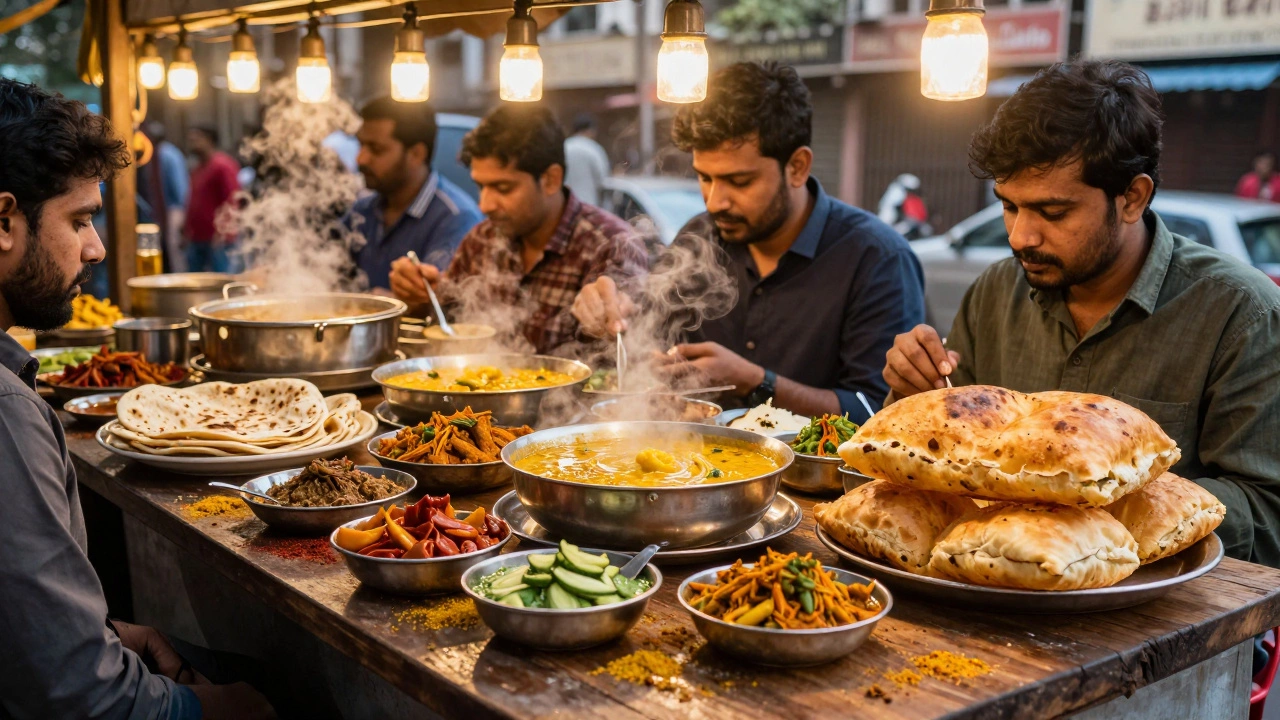
Why Are Vegetarian Dishes So Popular in India?
Vegetarian dishes dominate Indian meals due to deep-rooted religious beliefs, economic practicality, and centuries-old culinary traditions. Lentils, paneer, and spices form the backbone of a diverse, nutritious diet that feeds over half the population.
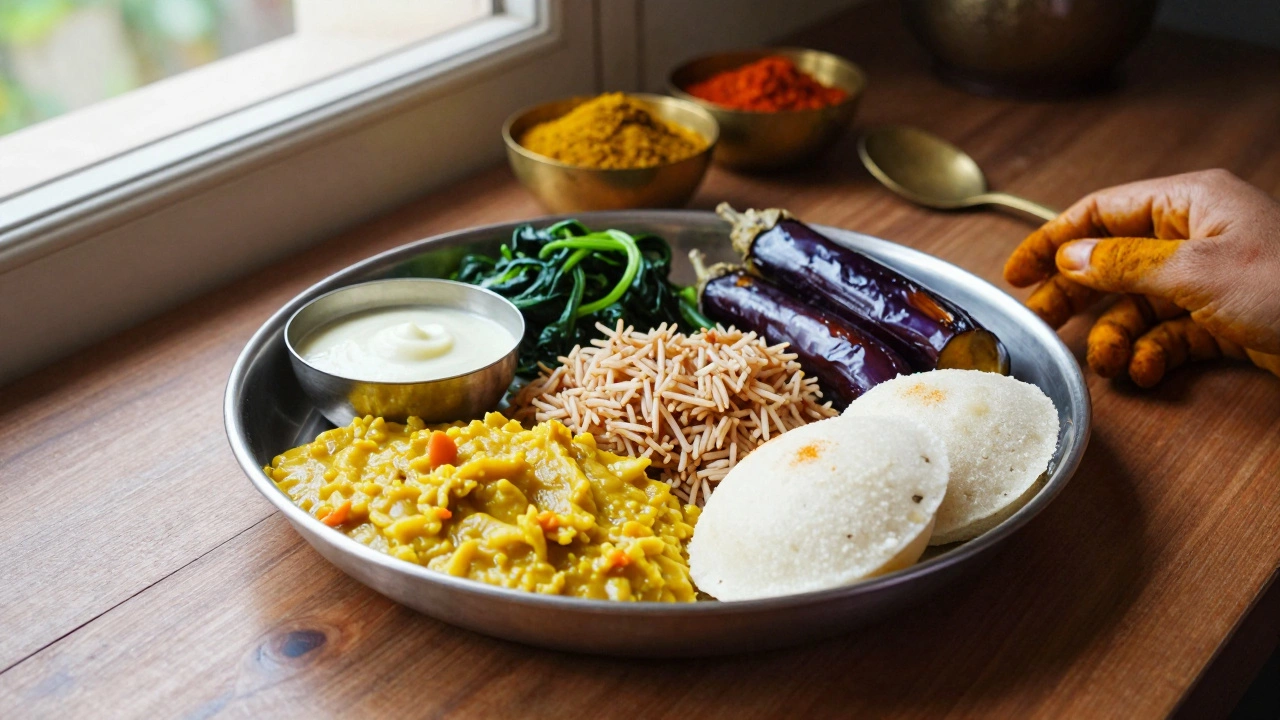
How Healthy Is Indian Vegetarian Food? The Real Facts Behind the Myths
Indian vegetarian food can be incredibly healthy-but only if you avoid fried snacks, refined flour, and added sugar. Learn what makes traditional meals nutritious and how to fix the common pitfalls.