Why Are Vegetarian Dishes So Popular in India?
 Jan, 13 2026
Indian Vegetarian Nutrition Calculator
Calculate protein content of traditional Indian vegetarian meals. Based on data from India's National Institute of Nutrition.
Nutritional Analysis
Did you know? Indian vegetarian meals combine grains and legumes to create complete protein. Your calculated meal provides 0% of essential amino acids.
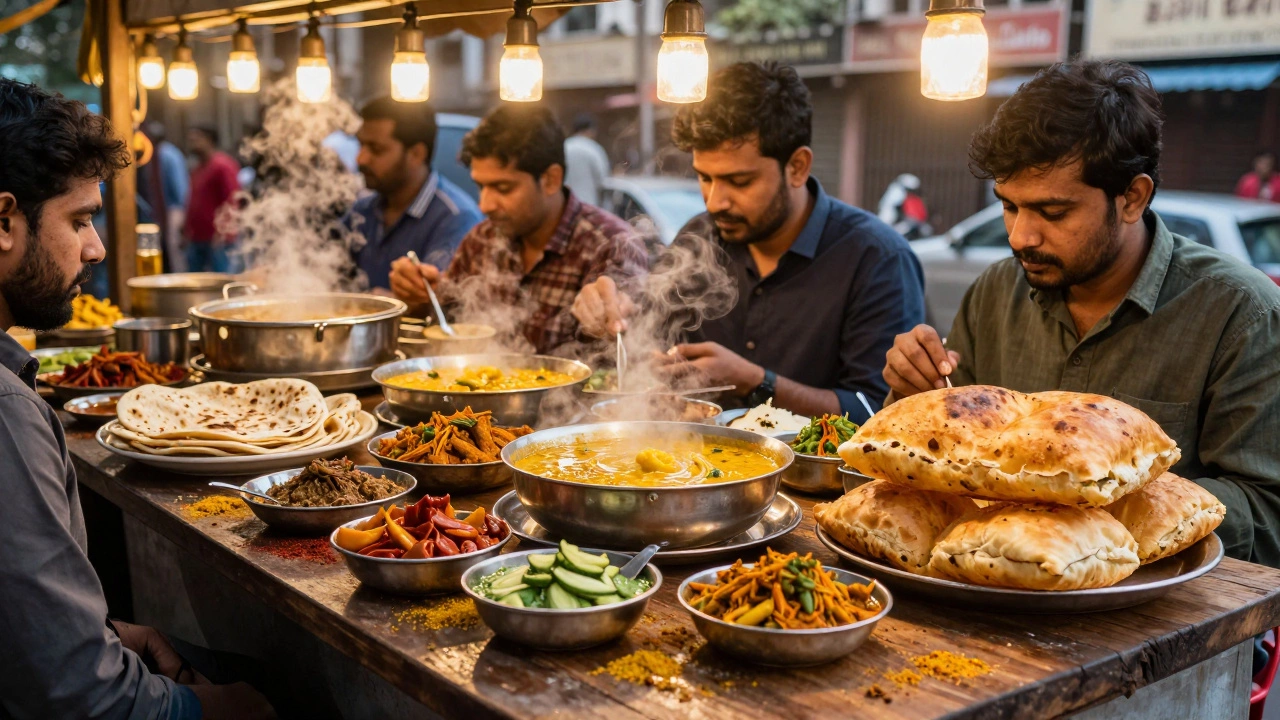
More than 300 million people in India follow a vegetarian diet. That’s more than the entire population of the United States. And it’s not just a trend-it’s woven into daily life, from street food stalls in Delhi to home kitchens in Kerala. So why do vegetarian dishes dominate Indian meals? It’s not just about personal choice. It’s history, religion, economics, and culture all tangled together.
Religion Shapes What’s on the Plate
India is home to four major religions that strongly influence food habits: Hinduism, Jainism, Buddhism, and Sikhism. Of these, Hinduism is the most widespread, practiced by over 80% of the population. In Hindu tradition, many believe in ahimsa-non-violence toward all living beings. This principle extends to food. Cows, in particular, are seen as sacred. Eating beef is taboo across most of the country, and many Hindus avoid meat altogether.
Jainism takes this even further. Jains don’t eat root vegetables like potatoes, onions, or garlic because harvesting them kills the entire plant-and potentially tiny organisms in the soil. Their diet is strictly plant-based, and many Jain households prepare meals without any animal products, not even eggs or honey.
Buddhism, while not as widespread in India today, also promotes compassion for animals. Many Buddhist communities in regions like Ladakh and Sikkim follow vegetarian diets. Sikhism doesn’t forbid meat, but langar-the free community meals served in gurdwaras-are always vegetarian to welcome everyone, regardless of faith or background.
Vegetarianism Is the Norm, Not the Exception
Unlike in Western countries, where vegetarianism is often seen as a lifestyle choice or a dietary restriction, in India it’s the default. If you walk into a restaurant in Mumbai, Chennai, or Jaipur, the menu will likely have 70% vegetarian options-even if it’s not labeled as such. You won’t find a single meat-free section; the meat dishes are the exception.
This isn’t because people are trying to be healthy or trendy. It’s because they’ve grown up with it. A child in Rajasthan learns to eat dal, roti, sabzi, and chutney before they ever taste chicken or fish. When your family’s weekly grocery list includes lentils, chickpeas, spinach, cauliflower, and paneer, meat becomes an occasional luxury-not a staple.
Even in cities where meat consumption is rising, vegetarian meals remain the most common. A 2021 survey by the National Family Health Survey found that 38% of Indians identify as vegetarian. But when you factor in those who avoid meat for cultural or religious reasons-even if they don’t call themselves vegetarian-the real number is closer to 50%.
Legumes Are the Backbone of Indian Cuisine
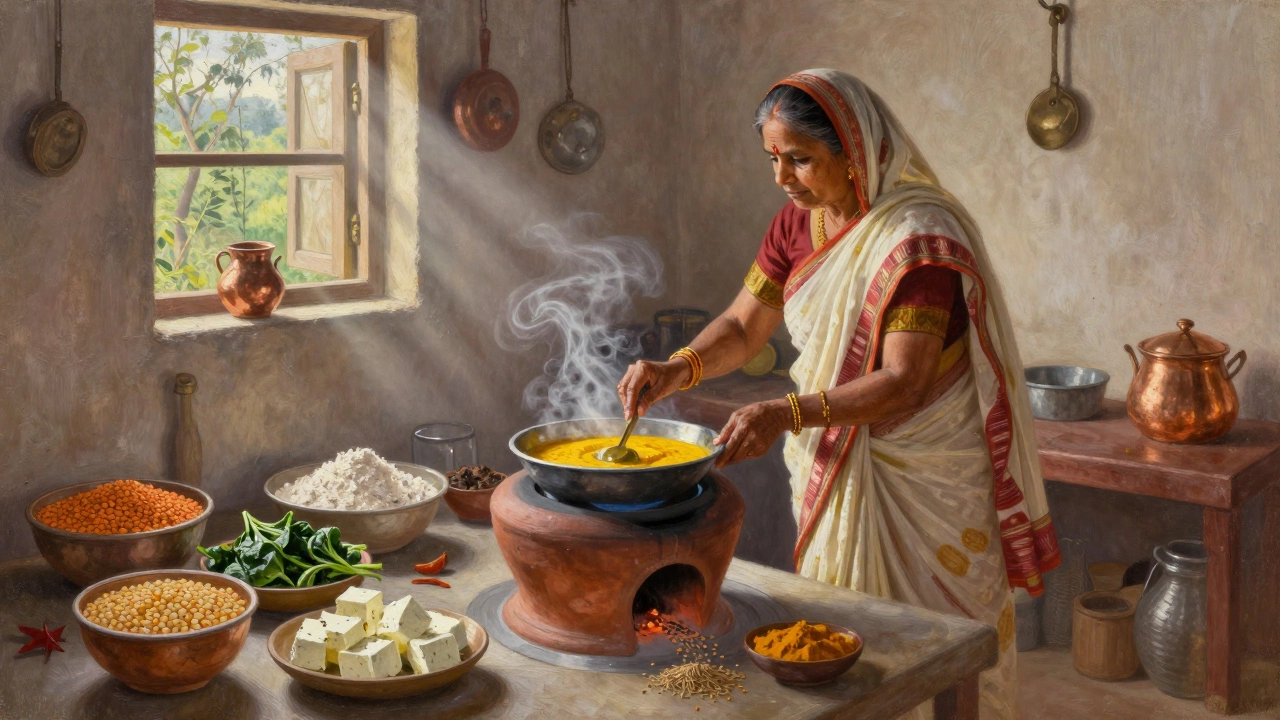
India grows more lentils than any other country in the world. Every region has its own version of dal-red lentils in Punjab, black gram in Tamil Nadu, pigeon pea in Maharashtra. These aren’t side dishes. They’re the main event. A typical Indian meal isn’t complete without dal. It’s served with rice, roti, or idli, and it’s packed with protein, fiber, and iron.
Chickpeas are another cornerstone. Chana masala, chole bhature, and hummus-style dips made with Indian spices are everywhere. Soy-based products like tofu and soy chunks have been part of Indian cooking for decades, especially in North India, where they’re called ‘soy chunks’ or ‘soy granules’ and used in curries as a meat substitute.
Paneer, the Indian cottage cheese, is a protein powerhouse. It’s grilled, fried, or simmered in creamy sauces like palak paneer or paneer butter masala. Unlike Western cheeses, paneer doesn’t melt. That makes it perfect for cooking-it holds its shape and soaks up spices. It’s cheap, easy to make at home, and doesn’t require refrigeration in most climates.
Economic Factors Keep Vegetarian Food Affordable
Meat, especially chicken and beef, costs more than lentils and vegetables. In rural India, where nearly 60% of the population lives, families spend less than $2 a day on food. A kilo of lentils costs around 60 rupees ($0.70). A kilo of chicken? Over 250 rupees ($3). That’s more than three times the price.
For millions, vegetarian food isn’t a choice-it’s the only option. A plate of dal-rice with a side of cabbage sabzi costs less than 30 rupees ($0.35) at a roadside eatery. Add a chapati and you’ve got a full, filling meal. Meat, even when available, is often saved for festivals or special occasions.
Even in urban areas, where incomes are higher, vegetarian meals remain the most economical. A working-class family in Bangalore might eat vegetarian for five days a week and have chicken on Sunday. It’s not about ethics-it’s about budgeting.
Cultural Tradition and Regional Diversity
India has 28 states and over 1,600 languages. Each region has its own vegetarian specialties. In Gujarat, meals include sweet and spicy curries with jaggery and tamarind. In Tamil Nadu, sambar and rasam are daily staples made with tamarind, lentils, and vegetables. In Bengal, fish is common, but many Bengali Hindus still eat strictly vegetarian on certain days of the week, like Ekadashi or during religious festivals.
South India is famous for its fermented foods: idli, dosa, and vada are all made from rice and lentils. These foods are naturally vegan, rich in probiotics, and easy to digest. They’re eaten for breakfast, lunch, or dinner-and they’ve been around for over 1,000 years.
North India’s dairy culture is unmatched. Milk, yogurt, ghee, and paneer are used in everything from savory curries to desserts like kheer and gulab jamun. In many villages, families own a cow or buffalo and make their own dairy daily. This self-sufficiency makes vegetarian meals even more practical.
Modern Trends Are Reinforcing the Tradition
Today, younger Indians are choosing vegetarianism for reasons beyond religion. Climate change, animal welfare, and health concerns are rising. A 2023 study by the Indian Institute of Public Health found that 62% of urban millennials say they eat less meat than their parents did. Many are switching to plant-based diets for heart health or to reduce bloating and digestion issues.
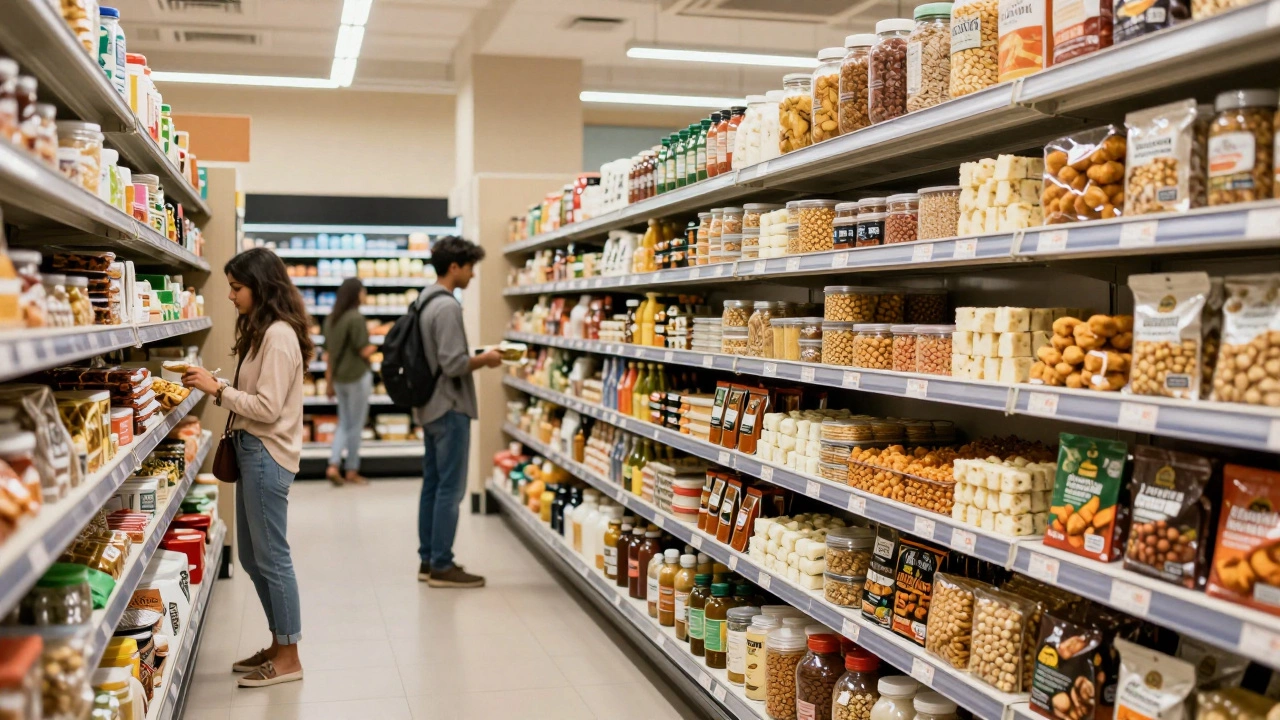
Plant-based meat alternatives are now sold in supermarkets across Delhi, Bengaluru, and Hyderabad. Brands like Good Dot and Good Meat make veggie burgers and chicken nuggets from soy and pea protein. They’re not replacing traditional dishes-they’re adding to them. You can now get a vegan butter chicken made with jackfruit or a paneer tikka made with tofu.
But here’s the twist: these new products aren’t replacing the old. They’re being layered on top of centuries-old traditions. The real reason vegetarian food is so popular isn’t because of Instagram trends or global vegan movements. It’s because it’s always been there.
It’s Not About Being Vegetarian-It’s About Eating Well
Indian vegetarian food isn’t bland. It’s not just rice and beans. It’s a complex mix of spices, textures, and flavors. Cumin, coriander, turmeric, cardamom, fenugreek, mustard seeds-each adds depth. Dishes are layered with crunch (fryeds), creaminess (yogurt-based sauces), tang (tamarind), and heat (chilies).
Many Indian vegetarian meals are nutritionally balanced. Lentils provide protein. Whole grains like millet and brown rice give fiber. Vegetables add vitamins. Ghee and coconut oil supply healthy fats. Even desserts like halwa are made with nuts and seeds.
There’s no need to force meat into the diet when you already have everything you need. That’s why vegetarianism in India isn’t a trend. It’s a system that works.
Is all Indian food vegetarian?
No, not all Indian food is vegetarian. Coastal regions like Kerala, West Bengal, and Goa have strong traditions of fish and seafood. Some communities, especially in the Northeast and among Muslim populations, regularly eat meat. But vegetarian dishes make up the majority of meals across the country, especially in homes and everyday eateries.
Do Indians eat eggs?
It depends. Many Hindus, especially in North and West India, avoid eggs because they’re considered non-vegetarian. But in South India and among urban populations, eggs are commonly eaten. Some people classify eggs as vegetarian, others don’t. There’s no single rule-it’s personal and regional.
Why don’t Indians eat beef?
Cows are considered sacred in Hinduism, which is followed by the majority of Indians. Killing or eating cows is taboo in most parts of the country. Many states have laws banning cow slaughter. Even non-Hindus often avoid beef out of respect for local customs.
Are Indian vegetarian meals healthy?
Yes, when balanced. Traditional Indian vegetarian meals include lentils, whole grains, vegetables, dairy, and spices-offering protein, fiber, vitamins, and antioxidants. But some modern versions use too much oil, sugar, or refined flour, which can be unhealthy. The key is sticking to home-cooked, minimally processed meals.
Can you get enough protein on a vegetarian diet in India?
Absolutely. Lentils, chickpeas, paneer, yogurt, milk, nuts, and soy products are all rich in protein. A typical Indian vegetarian meal combines grains and legumes, which together form a complete protein. Many Indians don’t even think about protein-they just eat what’s been served for generations.