Meat Consumption in India
When talking about Meat Consumption in India, the amount and patterns of meat eaten across the country, shaped by culture, religion, and economics. Also known as meat intake, it varies dramatically from state to state and is influenced by income, urbanisation, and traditional beliefs. In 2023 the average per‑capita intake was about 4 kg, far below the global average of 43 kg, showing how strong non‑meat traditions remain. This central topic meat consumption in India encompasses three key ideas: cultural food habits, alternative protein sources, and regional cuisine differences. Understanding these links helps you see why a lot of Indians stick to plant‑based meals while others increase poultry or fish as incomes rise.
Why Culture and Protein Choices Matter
One of the biggest forces behind the numbers is the Vegetarian Diet, a food pattern that excludes meat for religious or ethical reasons. Hindu and Jain communities, which together account for roughly 65 % of the population, often avoid beef, pork, or any meat altogether. That cultural habit directly reduces overall meat consumption, especially in rural heartlands where religious festivals dictate what lands on the plate. At the same time, India’s rich legume tradition—dal, chickpeas, and lentils—provides a high‑protein alternative that keeps many families satisfied without needing meat. This protein source Protein Sources, such as pulses, soy, and dairy, act as substitutes that lower demand for animal flesh. The science is clear: when affordable, plant‑based proteins deliver comparable amino acid profiles, so households can stay within a modest budget and still meet nutritional needs. As urban middle classes grow, they start adding poultry or fish for convenience, but the underlying vegetarian foundation still caps total meat intake.
Regional cuisine adds another layer of nuance. The coastal states of Kerala, Goa, and West Bengal boast a higher share of fish and seafood because the ocean is literally at their doorstep, while northern plains like Punjab and Haryana favour chicken and goat during celebrations. In contrast, the central belt—Madhya Pradesh, Uttar Pradesh—leans heavily on legumes and dairy, keeping meat a special‑occasion item. These differences illustrate the semantic triple: Regional cuisine influences meat consumption in India. Economic growth, migration, and exposure to global fast‑food chains are nudging the numbers upward, yet the cultural and regional anchors remain strong. Below you’ll find a curated collection of articles that dive deeper into these patterns, from nutrition breakdowns of Indian staples to practical tips for cooking meat‑free meals that satisfy the palate.
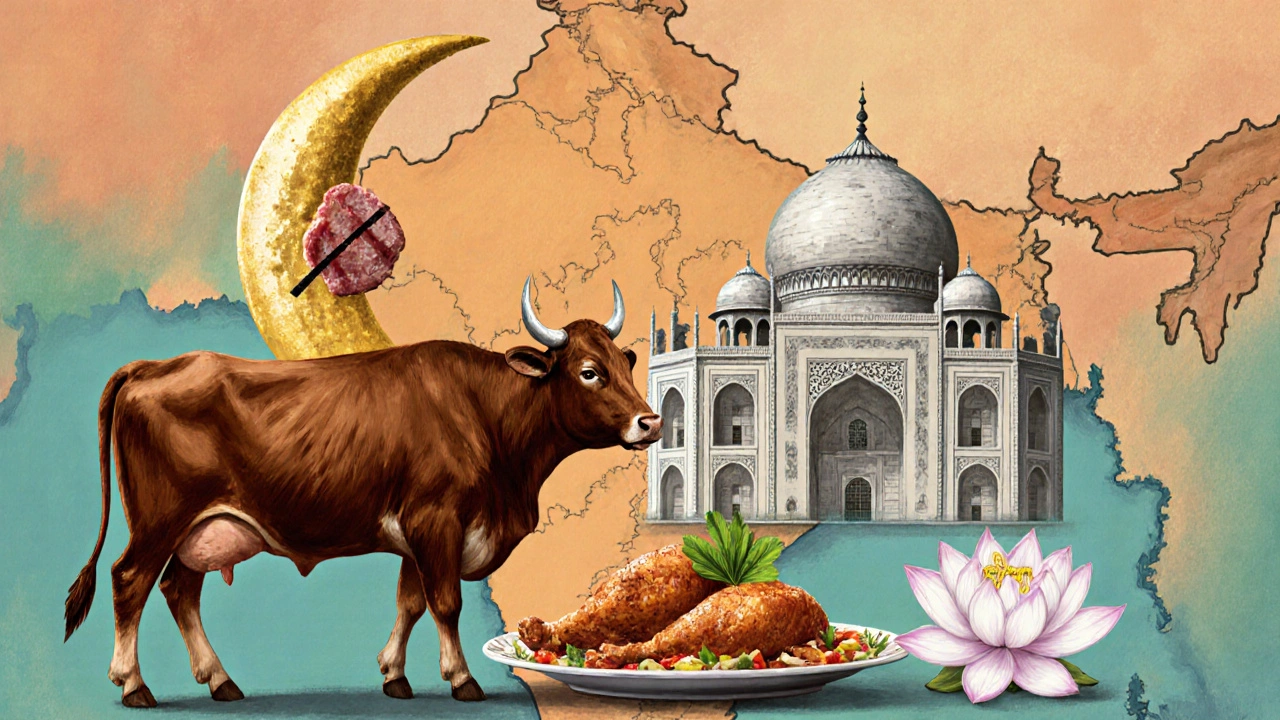
Which Meats Are Not Eaten in India? A Cultural and Legal Guide
Explore which meats are avoided in India, why beef, pork and other proteins are restricted, and how religion, law, and region shape Indian food choices.