Mild Indian Curry
When people think of Indian curry, they often imagine fiery heat—but mild Indian curry, a gentle, aromatic dish built on layered spices rather than chilies. Also known as family-friendly curry, it’s the quiet hero of Indian kitchens—where flavor isn’t about fire, but about balance. You don’t need to suffer through a burning tongue to enjoy real Indian taste. In fact, many households across India serve mild curry daily—especially when feeding children, elderly relatives, or anyone recovering from illness. The secret? Spices like cumin, coriander, turmeric, and cardamom do the heavy lifting, while green chilies and red pepper flakes stay on the side.
Mild Indian curry isn’t watered-down or boring. It’s carefully crafted. Think of it like a soft melody instead of a drum solo. In homes in Kerala, Punjab, or Bengal, cooks simmer onions, tomatoes, and ginger-garlic paste slowly to build depth. They add yogurt or coconut milk to smooth out any sharp edges. A pinch of garam masala at the end wakes up the whole dish without turning up the heat. This style of cooking is common in vegetarian meals, where the focus is on the natural sweetness of lentils, potatoes, or paneer—not on overwhelming the senses.
You’ll find that many of the recipes linked here treat mild curry as a canvas—not a challenge. Whether it’s a creamy tomato-based dal, a coconut-infused vegetable stew, or a tender chicken curry where the spices whisper instead of shout, the goal is always the same: comfort. These dishes are the ones you make when you want to feed a crowd without worrying about tears or complaints. They’re also the ones that get passed down through generations, because they work. No fancy equipment. No hard-to-find ingredients. Just good food that sticks to your ribs and warms your soul.
What makes mild curry so popular isn’t just taste—it’s flexibility. You can serve it with roti, rice, or even naan. It pairs well with cooling sides like cucumber raita or a simple salad. And because it’s not dominated by heat, you can taste the difference between a home-cooked meal and a restaurant version. The real magic? It’s in the patience. Slow cooking lets the spices bloom without burning. Fresh herbs like cilantro or curry leaves added at the end lift the whole dish without adding spice.
There’s a myth that Indian food must be hot to be authentic. But if you’ve ever sat down to a Sunday lunch in a South Indian home, or watched a grandmother gently stir a pot of khichdi for her grandchild, you know better. Authentic doesn’t mean aggressive. It means thoughtful. And that’s exactly what you’ll find in the collection below—real recipes for mild Indian curry that work for busy weeknights, picky eaters, and anyone who just wants to enjoy the soul of Indian cooking without the burn.
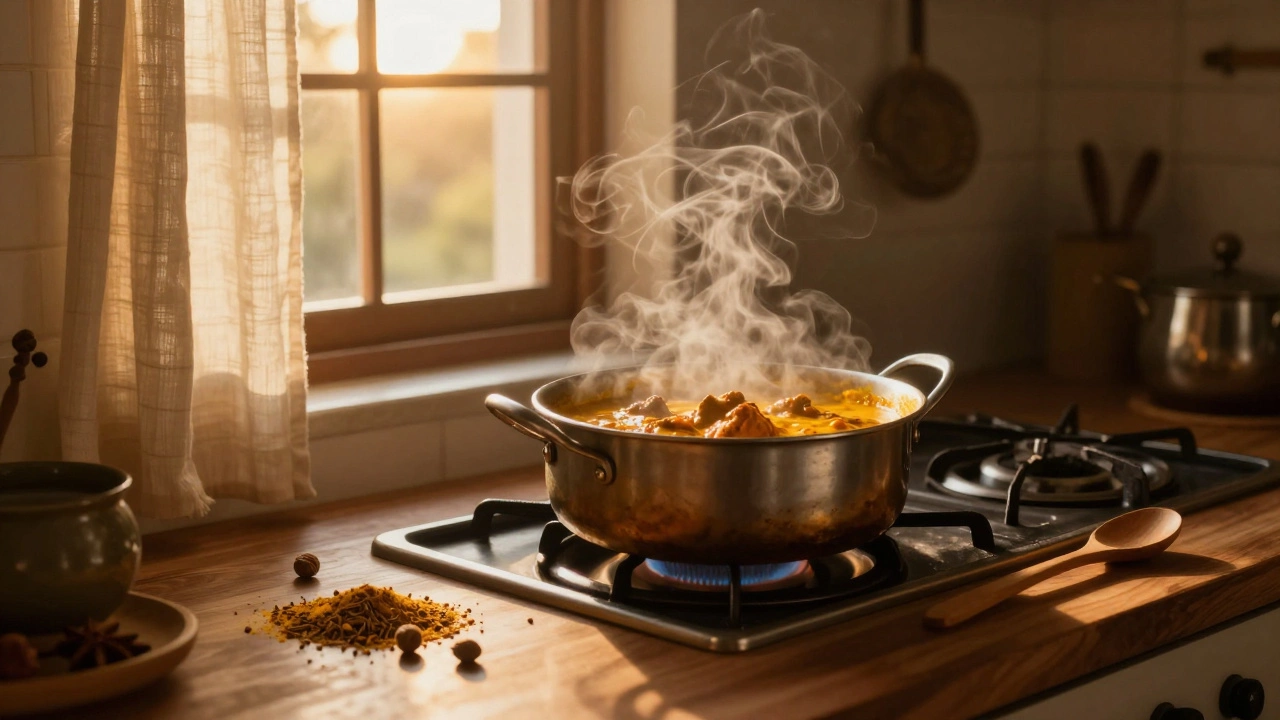
What Is a Very Mild Indian Curry? Easy Recipes for Beginners and Kids
Discover the most popular mild Indian curries that are perfect for beginners, kids, and anyone who loves flavor without heat. No chilies needed-just creamy, aromatic dishes like butter chicken and paneer makhani.