Muslim Cuisine: Authentic Indian Dishes, Flavors, and Traditions
When you think of Muslim cuisine, a vibrant culinary tradition shaped by Central Asian, Persian, and Indian influences, often centered around halal ingredients and slow-cooked flavors. Also known as Mughlai cuisine, it’s not just food—it’s a story of empires, trade routes, and home kitchens that turned simple ingredients into unforgettable meals. This isn’t about religious rules alone. It’s about how meat is prepared with care, how spices like saffron, cardamom, and mace are layered to build depth, and how rice becomes the canvas for dishes that feed families and celebrate milestones.
What makes Muslim cuisine in India unique is how it blends Persian elegance with local tastes. You’ll find biryani, a layered rice dish with meat, spices, and saffron, cooked slowly to let flavors meld in every region—from Hyderabad’s fiery version to Lucknow’s subtle, aromatic one. Then there’s kebabs, minced meat grilled to perfection, often marinated in yogurt and spices for hours, served with mint chutney and flatbreads. And let’s not forget halal food, a dietary standard that guides how meat is sourced and prepared, ensuring purity and respect in every step. These aren’t niche dishes—they’re everyday meals in homes across Uttar Pradesh, Bihar, Telangana, and beyond.
The soul of this cuisine lives in patience. Unlike quick stir-fries or one-pot meals, many Muslim Indian dishes demand time: simmering gravies for hours, fermenting yogurt marinades, toasting whole spices before grinding. That’s why dishes like nihari or haleem show up on weekend tables or during Ramadan—they’re meant to be savored, not rushed. Even simple things like naan or sheermal, baked in tandoors, carry the mark of tradition. You won’t find artificial flavors here. It’s all real: dried fruits, ghee, fresh herbs, and spices bought whole and ground fresh.
What you’ll find in the posts below is a real look at this world—not just recipes, but the why behind them. You’ll see how paneer and tofu fit into vegetarian Muslim meals, how certain dals are preferred for digestion, and why some meats are avoided not by law, but by custom. There are tips on soaking urad dal for perfect biryani rice, how to make yogurt marinades work without rinsing, and even what Virat Kohli might eat if he tried a classic kebab. This isn’t a tourist guide. It’s a kitchen map for anyone who wants to cook these dishes the way they’re made at home—with heart, not just heat.
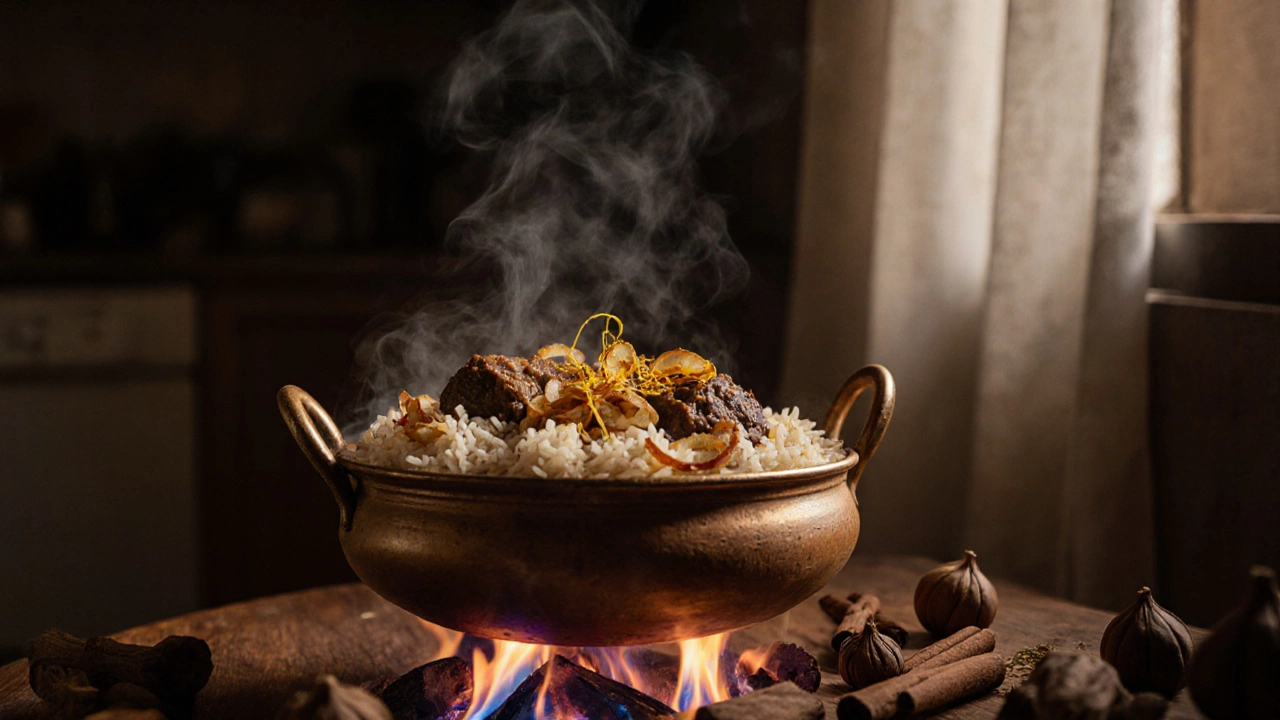
Why Do Muslims Eat Biryani? The History, Culture, and Meaning Behind the Dish
Biryani is more than a dish for Muslims-it's a symbol of tradition, community, and faith. Learn why this spiced rice meal holds deep cultural meaning during Eid, funerals, and family gatherings.