Naan Health: Is Naan Good for You? Nutrition, Alternatives, and Smart Choices
When you think of naan, a soft, leavened flatbread from South Asia, often baked in a tandoor oven. Also known as Indian flatbread, it's a staple at dinner tables, restaurants, and family gatherings across India and beyond. But here’s the real question: is naan good for your health? Most people assume it’s just bread—simple, harmless, maybe even comforting. But the truth? Not all naan is created equal. The kind you get at a restaurant is often loaded with ghee, butter, and refined flour, turning a simple side into a calorie bomb. Meanwhile, homemade versions made with whole wheat, yogurt, and minimal oil can actually support digestion and keep you full longer.
What makes naan tricky is how it’s made. Traditional naan uses white flour, which spikes blood sugar fast. But if you swap that for whole wheat flour, a minimally processed grain that retains bran and germ, offering more fiber and nutrients. Also known as atta, it’s the base for most Indian rotis and parathas, and works just as well for naan. Adding yogurt, a fermented dairy product rich in probiotics and protein, commonly used in Indian cooking to tenderize dough. Also known as curd, it helps break down gluten slightly, making the bread easier to digest for many people. into the dough gives you a boost of protein and gut-friendly bacteria. And skipping the butter wash? That alone cuts hundreds of unnecessary calories. Even better, some home cooks now use almond flour or chickpea flour for a gluten-free, high-protein twist—perfect if you’re watching carbs or have sensitivities.
Let’s be clear: naan isn’t a superfood. But it doesn’t have to be a guilty pleasure either. The difference between a bad naan and a good one comes down to ingredients and how it’s cooked. If you’re eating it with dal, sabzi, or grilled chicken, pairing it with fiber and protein helps balance the meal. And if you’re making it at home, you control what goes in. No hidden sugars. No mystery oils. Just flour, water, yeast, yogurt, and maybe a pinch of salt.
Below, you’ll find real, practical posts that break down exactly how naan fits into a healthy Indian diet. You’ll learn which flours work best, how to make naan that won’t spike your blood sugar, what to pair it with for maximum nutrition, and even how to spot the sneaky additives in restaurant versions. No fluff. Just facts you can use tonight at your next dinner table.
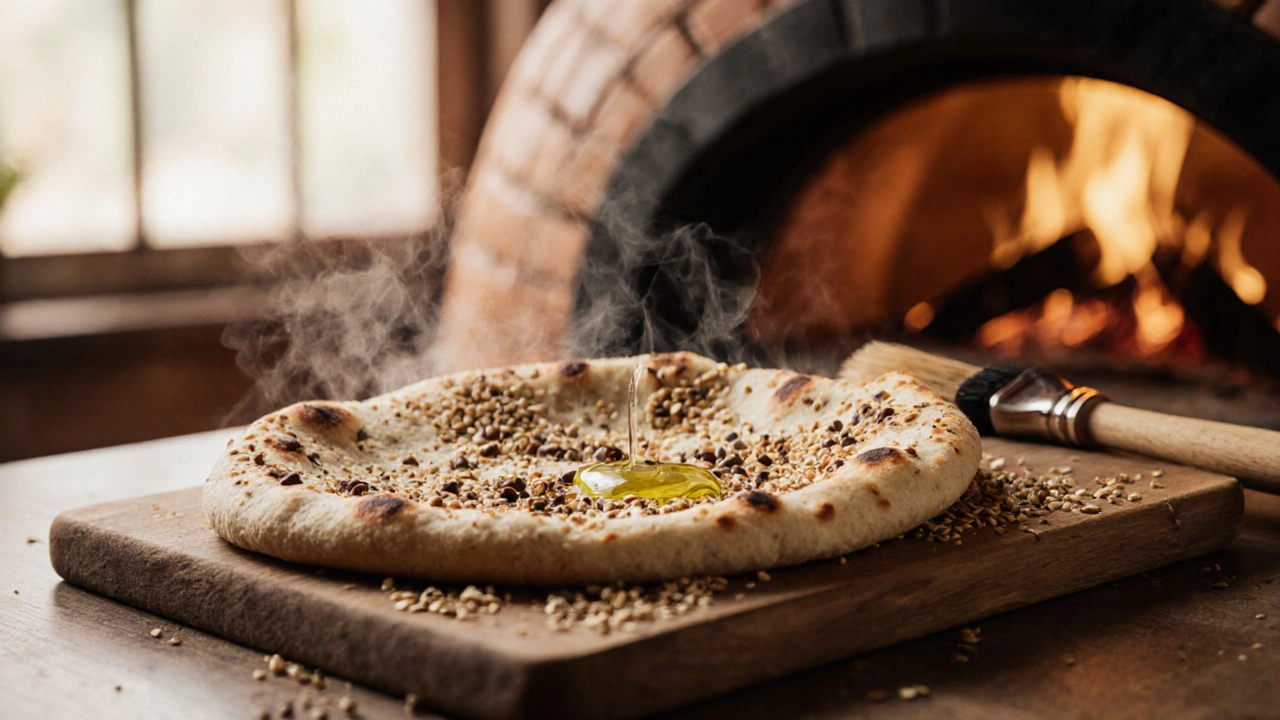
Is Naan Healthy? What You Need to Know About This Popular Indian Bread
Is naan healthy? It depends on how it's made. Refined flour and butter make it high in calories and low in fiber, but whole wheat, homemade naan can fit into a balanced diet. Learn how to eat it smarter.