The Healthiest Way to Eat Lentils: Nutrition and Simple Dal Recipes
 Apr, 28 2026
Lentil Preparation & Nutrition Optimizer
Your Optimized Plan:
-
-
-
Select your lentil type and goal to generate a customized preparation guide.
Главные выводы: Как получить максимум пользы
- Always soak your lentils for at least 2-8 hours to remove anti-nutrients.
- Pair lentils with Vitamin C (like lemon juice) to absorb iron effectively.
- Avoid overcooking them into a mush to keep the glycemic index lower.
- Use a pressure cooker or slow cooker to break down tough fibers without losing minerals.
- Add healthy fats like ghee or olive oil to help absorb fat-soluble vitamins.
The Science of Anti-Nutrients and Soaking
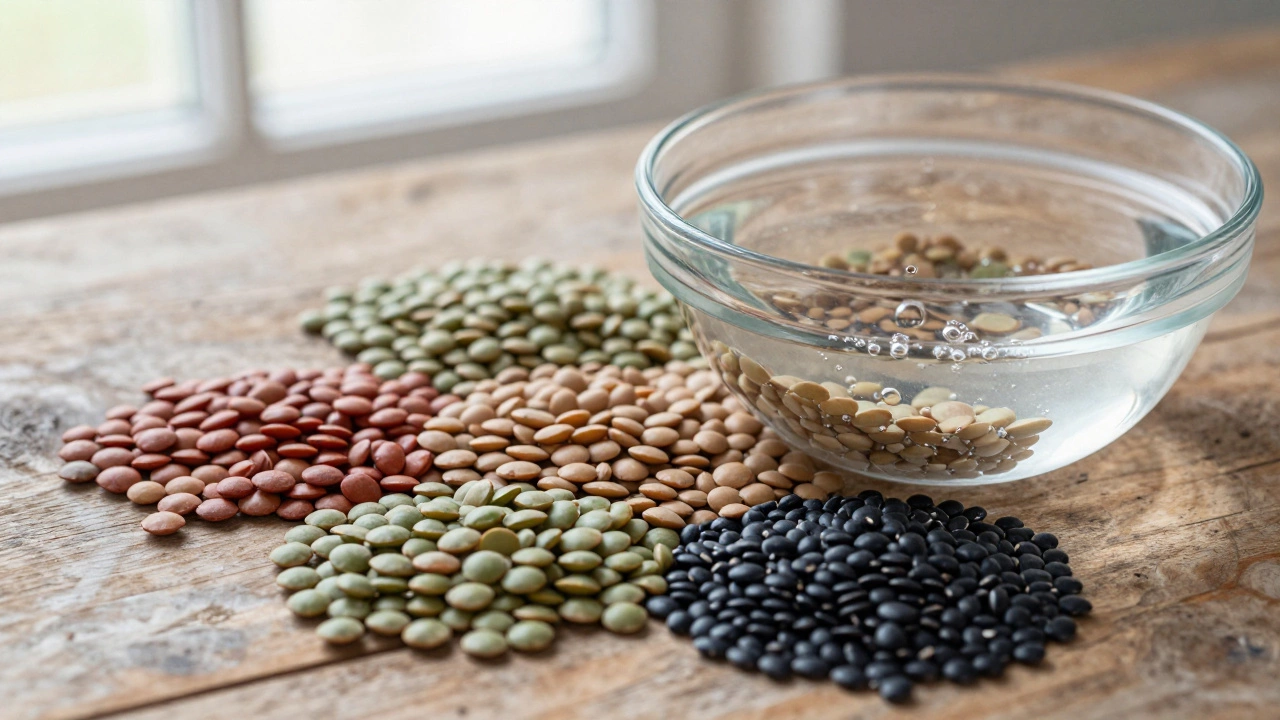
If you've ever felt like a balloon after eating a bowl of dal, you can blame Phytic Acid. This is an anti-nutrient found in the hulls of lentils that binds to minerals like zinc and iron, preventing your body from absorbing them. It also inhibits the enzyme that digests complex sugars, which is why your gut struggles to process them. To fix this, you need to soak your lentils. When you leave lentils in water, you trigger a biological process that mimics germination. This signals the seed to break down the phytic acid. For Brown Lentils or Green Lentils, a 4-hour soak is usually enough. For tougher varieties, go for 8 hours. If you're in a rush, use the "quick soak" method: cover them in boiling water for one hour. Just remember to discard the soaking water; that's where the gas-causing sugars (oligosaccharides) end up.The Role of Spices in Digestion
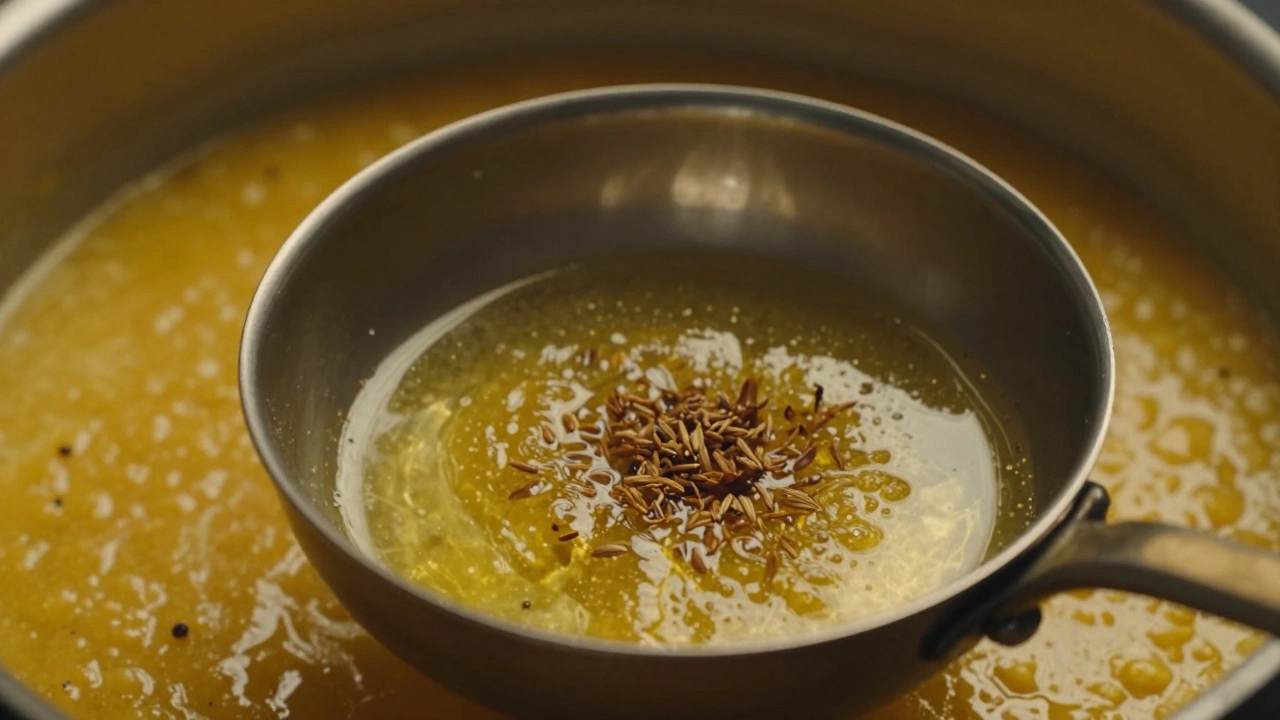
Cooking lentils plain is boring, but adding spices is actually a health strategy. In traditional Indian cooking, we don't just add turmeric for color. Turmeric contains curcumin, which helps reduce inflammation in the gut. But the real magic happens with the "tadka" or tempering process. When you heat Cumin Seeds and Asafoetida (Hing) in a bit of fat, you create a digestive aid. Asafoetida is specifically used in Ayurvedic cooking to reduce flatulence associated with legumes. If you aren't using Hing, ginger and garlic are great alternatives. They stimulate digestive enzymes and help the stomach break down the heavy protein load of the lentils more efficiently.The Best Cooking Methods for Nutrient Retention
Not all pots are created equal. If you boil lentils in a large pot of water for an hour, you might be leaching out water-soluble vitamins. The best way to cook lentils is using a Pressure Cooker or an Instant Pot. These tools use high pressure to force moisture into the seed quickly, cooking them in a fraction of the time and keeping the nutrients locked inside. If you prefer a slower approach, a slow cooker is excellent for maintaining a steady temperature that doesn't destroy heat-sensitive vitamins. However, avoid the mistake of adding salt too early. Salt can toughen the skins of some lentils, making them take longer to cook and potentially leaving them harder to digest.| Lentil Type | Cooking Time | Best Use | Key Health Benefit |
|---|---|---|---|
| Red Lentils | Fast (15-20 min) | Smooth Dal/Purees | Easy on the stomach, fast energy |
| Brown Lentils | Medium (30-45 min) | Salads/Stew | High fiber, holds shape well |
| Black Beluga | Slow (45-60 min) | Gourmet bowls | High antioxidant (anthocyanins) |
| Green Lentils | Medium (30-40 min) | Soups | Rich in iron and folate |
A Simple, Health-First Dal Recipe
To put everything into practice, let's look at a healthiest way to eat lentils via a simple dal. This isn't just a recipe; it's a sequence of nutrient-optimizing steps.- Prep: Take 1 cup of red lentils. Rinse them until the water runs clear and soak them for 30 minutes.
- Pressure Cook: Add the lentils to a cooker with 3 cups of water, a pinch of turmeric, and a small piece of cinnamon. Cook until soft.
- The Nutrient Boost: Once cooked, whisk the dal to make it creamy. Now, stir in a handful of chopped spinach. The heat from the dal will wilt the spinach without destroying its vitamins.
- The Tempering (Tadka): In a separate small pan, heat 1 tablespoon of ghee. Add 1 teaspoon of cumin seeds and a pinch of asafoetida. Let them sizzle for 30 seconds.
- Combine: Pour the sizzling spices over the dal.
- The Final Touch: Squeeze half a fresh lemon over the top just before serving.
Common Pitfalls to Avoid
One of the biggest mistakes people make is eating lentils with other high-calcium foods at the same meal. While calcium is great, in very high amounts, it can compete with iron for absorption. If you are struggling with anemia, try not to load your lentil dish with heavy amounts of cheese or yogurt; instead, stick to the lemon juice trick. Another issue is the "mush factor." While creamy dal is delicious, overcooking lentils until they completely disintegrate can slightly increase their glycemic index. Keeping a bit of texture in your lentils ensures a slower release of glucose into your bloodstream, keeping your energy levels stable for longer.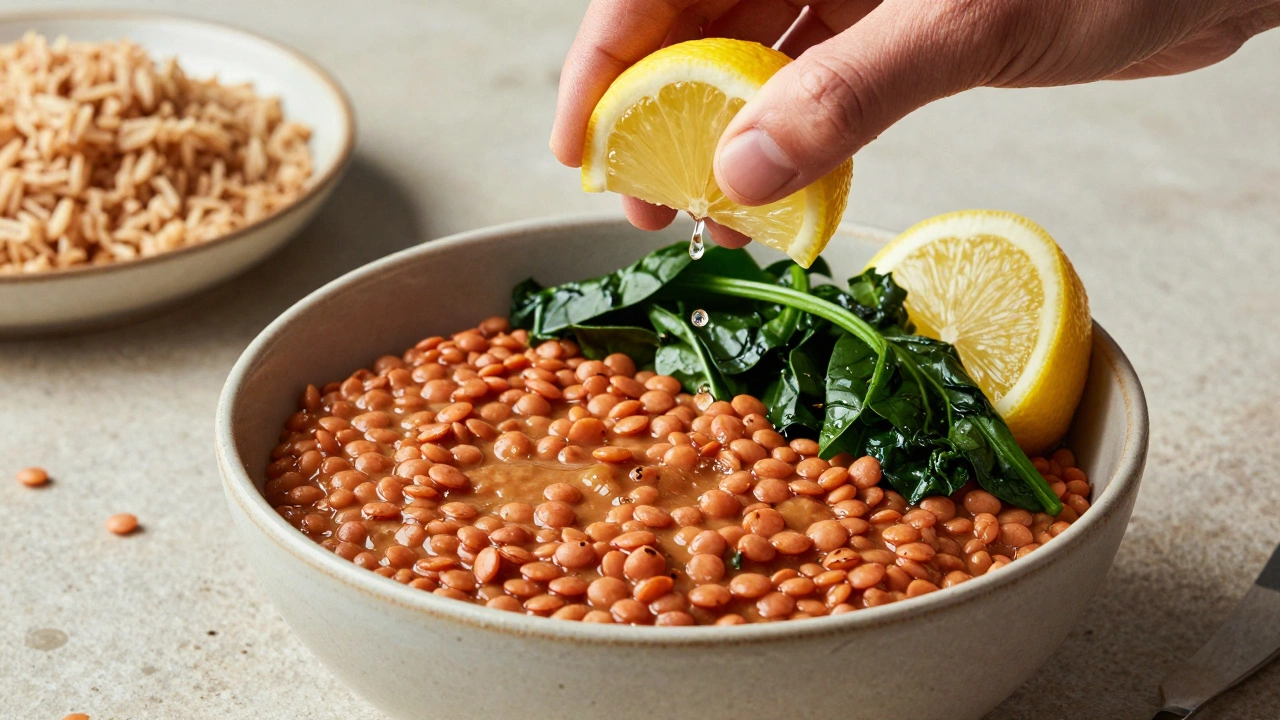
Beyond the Bowl: Diversifying Your Lentil Intake
While dal is the gold standard, you can also try sprouted lentils. Sprouting is the process of allowing the seed to begin growing. This practically eliminates phytic acid and increases the bioavailability of vitamins like C and B. Sprouted lentil salads with cucumbers, tomatoes, and a lime-olive oil dressing are a great way to get a raw, enzyme-rich version of these legumes. If you find lentils too heavy, try mixing them with Quinoa or brown rice. Combining a legume with a grain creates a "complete protein," meaning you get all nine essential amino acids that your body cannot produce on its own.Do I really need to soak red lentils?
Red lentils are split, meaning the outer hull is already gone. While they don't *require* as much soaking as whole brown or green lentils, a quick 15-30 minute soak still helps remove residual saponins and makes them even easier on the digestive system, especially for people with sensitive stomachs.
Can I eat lentils every day?
Yes, lentils are safe and healthy for daily consumption. However, because they are high in fiber, if you aren't used to them, start with small portions and increase gradually. Also, ensure you drink plenty of water throughout the day to help the fiber move through your system smoothly.
Which is healthier: boiled or pressure-cooked lentils?
Pressure cooking is generally superior because it reduces the cooking time and uses less water, which prevents the water-soluble nutrients from being drained away. It also does a better job of breaking down the complex starches that cause gas.
Why do lentils cause gas?
Lentils contain complex sugars called oligosaccharides. Humans lack the enzyme to break these down in the small intestine, so they travel to the large intestine where bacteria ferment them, producing gas. Soaking, rinsing, and adding spices like cumin and asafoetida help neutralize this effect.
Is it okay to use canned lentils?
Canned lentils are convenient and usually pre-cooked, but they can be high in sodium. To make them healthier, rinse them thoroughly under cold water to remove excess salt and the canning liquid. However, home-soaked and home-cooked lentils will always have a better nutrient profile.