Simple Dal Recipe – Quick, Protein‑Rich Indian Lentil Guide
When working with simple dal recipe, a fast, nutritious way to turn dry legumes into a warm bowl using everyday pantry items. Also called quick dal, it lets you cook dal, split pulses like toor, moong, or masoor that are staples across India in less than half an hour. The trick starts with proper soaking, a short 15‑30 minute pre‑hydration that softens the seed and cuts cooking time, followed by a gentle simmer that keeps nutrients intact. Dal naturally delivers protein, about 20‑25 % of its weight, making it a go‑to for vegetarian meals. Overall nutrition, high fiber, low fat, and a suite of vitamins and minerals, means a simple dal dish can be both filling and heart‑healthy.
So what does a simple dal recipe actually look like? Start with a cup of washed lentils, add two cups of water, and bring to a boil. As soon as bubbles appear, drop in a pinch of turmeric for color and a pinch of salt for flavor. While the dal cooks, heat a spoonful of ghee or oil in a small pan, toss in cumin seeds, a few dried red chilies, and a dash of asafoetida—this tempering, known as tadka, instantly lifts the dish. Pour the hot tadka over the simmering dal, stir, and let it rest for a couple of minutes so the spices meld. The whole process takes about 20‑25 minutes, and the result is a comforting, protein‑packed bowl that pairs well with rice or flatbreads.
If you’re chasing health benefits, remember that soaking not only speeds up cooking but also reduces antinutrients like phytic acid, making minerals more absorbable. For extra vigor, add a handful of chopped spinach or tomatoes during the last five minutes—these veggies boost vitamin A and lycopene without adding bulk. A pressure cooker can shave another 10 minutes off the cooking time, but a regular saucepan works fine for most home kitchens. Finally, experiment with regional twists: a splash of lemon juice gives a bright finish typical of North Indian dal, while a spoonful of coconut milk adds the silky richness found in South Indian versions.
Below you’ll find a curated list of posts that dive deeper into each step—tips on soaking, variations for different dal types, nutrition breakdowns, and flavor‑boosting tricks. Whether you’re a beginner looking for a foolproof method or a seasoned cook hunting new twists, these articles give you the practical know‑how to master the art of a truly simple dal.
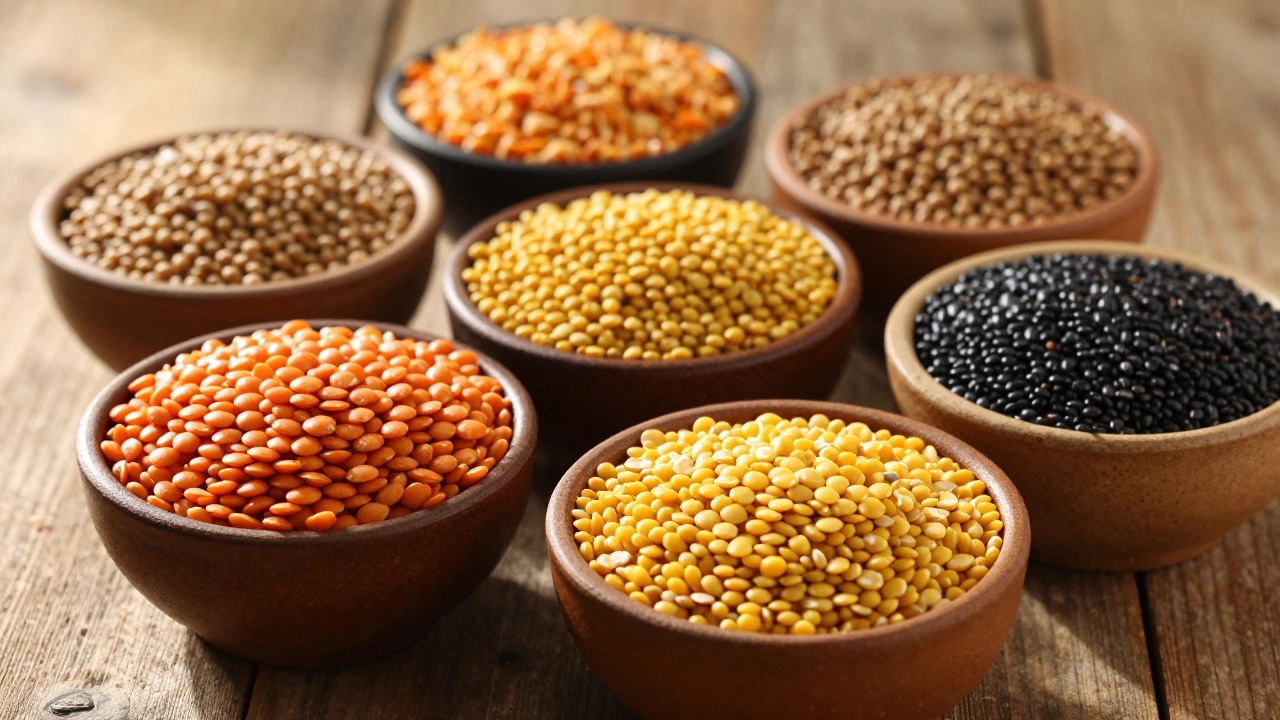
What is Dal Called in English? A Complete Guide to Lentils, Types, and Simple Recipes
Dal means lentils in English, but not all dals are true lentils. Learn the exact English names for common dals like masoor, toor, and chana, plus get a simple 20-minute recipe and shopping tips.
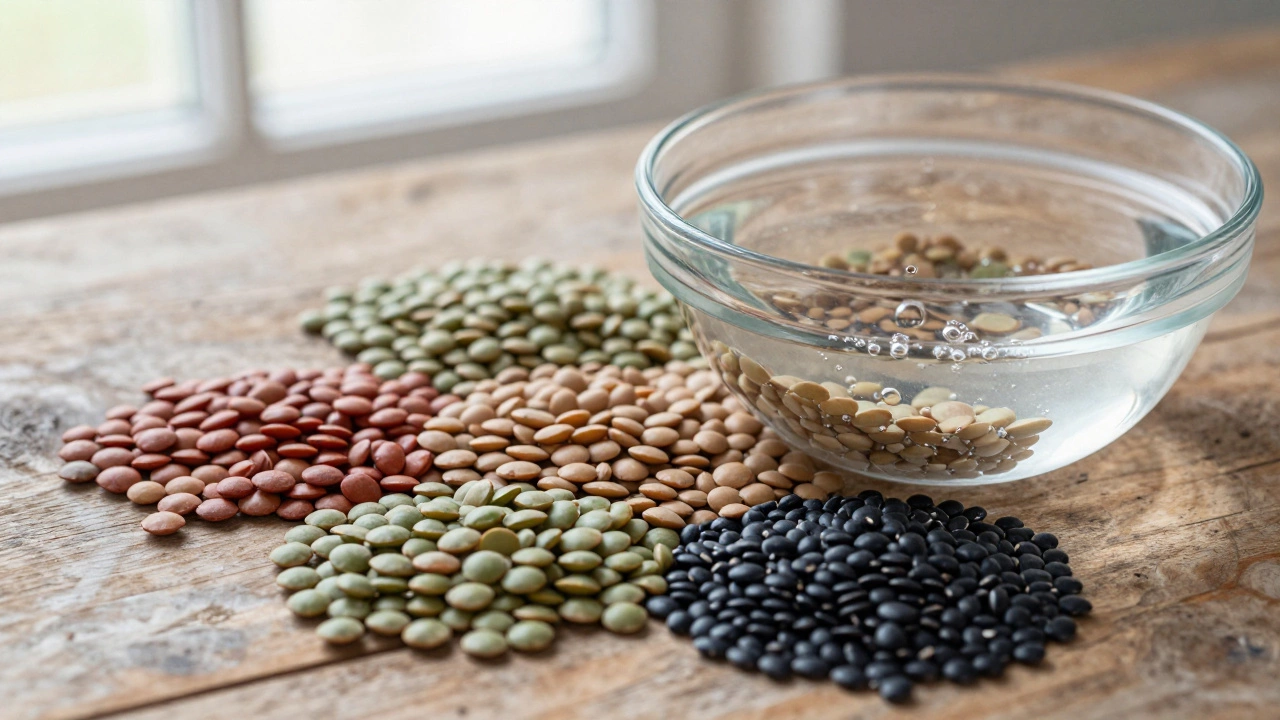
The Healthiest Way to Eat Lentils: Nutrition and Simple Dal Recipes
Discover the healthiest way to eat lentils to avoid bloating and maximize nutrition. Learn about soaking, the power of tadka, and a simple, nutrient-dense dal recipe.
Dal vs Lentils: What's the Real Difference?
Ever wondered if dal and lentils are the same thing? This article breaks down what each term means, how they're used in cooking, and why it matters for your next meal. Learn the real difference, clear up common confusion, and pick up handy kitchen tips along the way. Practical advice for anyone eager to master dal at home. This is your go-to guide for getting the basics right, in plain English.
Which Dal Is Healthiest? A No-Nonsense Guide for Everyday Meals
Confused about which dal is best for your health? This article breaks down the nutritional facts behind popular dals in India—moong, masoor, toor, and chana. Get to know how they help your body, who should eat which dal, and simple tips to get the most nutrition in every bowl. Whether you’re cooking for yourself, your family, or kids, you’ll find clear advice here. Health gains, simple recipes, and surprising dal facts—all in one guide.
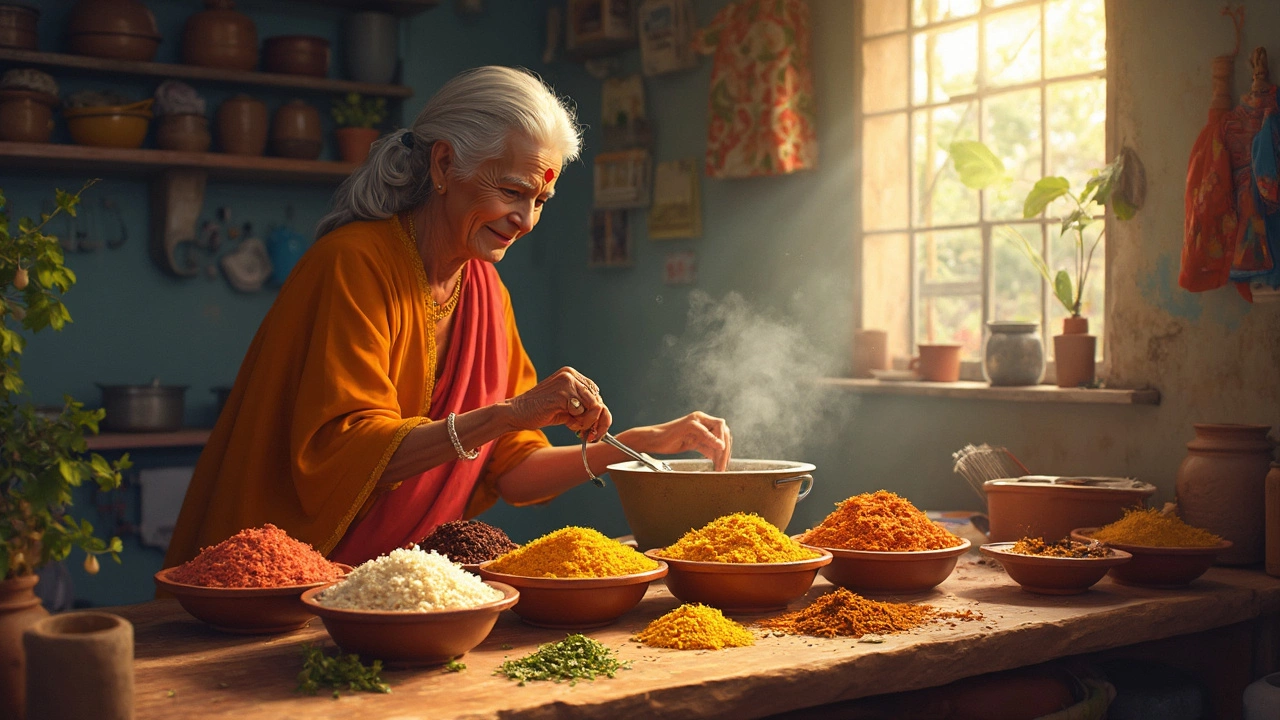
The Tastiest Dal: Finding the Perfect Recipe
Discover the tastiest dal with this guide, focusing on delicious yet simple recipes. Learn about different types of dals, their flavors, and tips for enhancing their taste. With practical suggestions and insights, you'll be able to create a delightful dal dish tailored to your preference.