Poultry Mouth Diseases: Causes, Symptoms, and How to Keep Your Flock Healthy
When dealing with poultry mouth diseases, any infection or lesion that appears in a bird's oral cavity, from canker sores to viral lesions. Also known as avian oral ailments, these conditions can lower feed intake, stunt growth, and even affect the texture of meat you later cook. Understanding the basics helps you spot problems early and protect both your birds and your kitchen.
One of the most common culprits is canker sores in chickens, a bacterial infection that creates painful grayish patches on the tongue and palate. Also called infectious coryza, it thrives in crowded, poorly ventilated coops. If you notice chickens pecking at their beaks or eating less, it’s a red flag. Prompt treatment with antibiotics and improved sanitation can curb the spread, keeping your flock eating well and your meat tender.
Another frequent offender is fowl pox, a viral disease that forms scabs on the skin and sometimes on the mouth’s lining. While the skin lesions are more visible, the oral version can make birds reluctant to drink, leading to dehydration. Vaccination programs and keeping the environment dry are the best defenses. Healthy birds mean fewer muscle fiber issues, which translates to better flavor when you grill or brine the chicken.
More serious, yet still relevant, is avian influenza, a highly contagious virus that can cause mouth ulcers and respiratory distress. Though outbreaks are rare on small farms, they demand strict biosecurity—limit visitor access, disinfect equipment, and isolate any sick birds immediately. Preventing this disease not only safeguards animal welfare but also protects public health, especially if you plan to serve the poultry to friends and family.
Good poultry nutrition, balanced feed with adequate protein, vitamins, and minerals, supports a strong immune system that fights off mouth infections is the foundation of disease prevention. Adding probiotics, ensuring clean water, and supplementing with oregano oil can give birds that extra edge. When birds eat well, the meat stays juicy, making recipes like the "Best Soaks to Make Chicken Tender" or "Tandoori Chicken" turn out even better.
So, how does all this tie into the cooking tips you’ll find below? Healthy, disease‑free birds give you a clean canvas for brining, marinating, or adding lemon to biryani. The same science that fights canker sores also helps you achieve that perfect tenderness in a skillet. Below you’ll discover practical advice ranging from the best brine ratios to timing tricks for garlic and ginger, all built on the assumption that your poultry started life healthy. Dive in, and you’ll see how preventing mouth diseases can boost both flock performance and flavor on your plate.
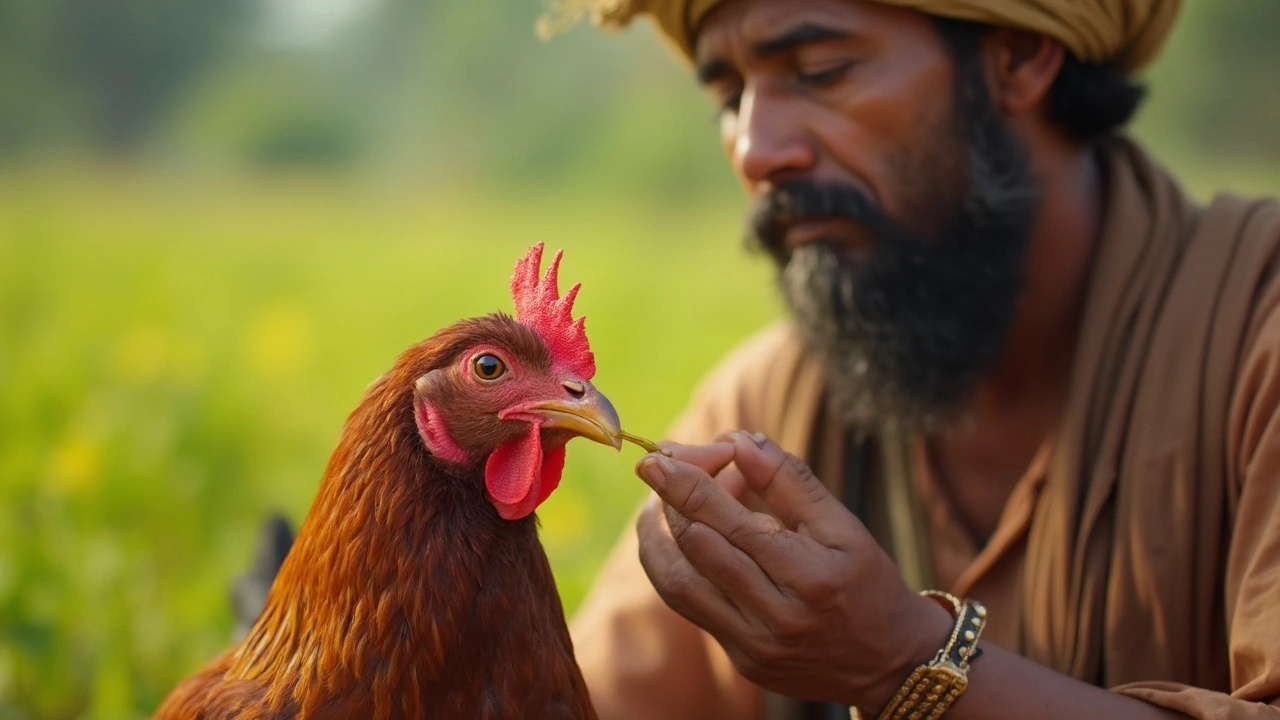
Yellow Bumps in Chicken’s Mouth: Causes, Treatment, and Prevention
Yellow stuff in your chicken's mouth can signal health issues like canker, fowl pox, or vitamin deficiencies. Learn to spot causes, treat, and prevent problems.