Why are pulses bad for you? The truth about dal and digestive health
 Feb, 3 2026
FODMAP Pulse Calculator
FODMAP Safety for IBS Sufferers
Based on Monash University research (2024), find out if your pulse serving is safe for IBS.
Results
People in India eat pulses every single day. Dal is on the menu in homes from Mumbai to Guwahati, often served with rice or roti. It’s cheap, filling, and packed with protein. But if you’ve ever felt bloated after a bowl of dal, or heard someone say pulses are bad for you, you’re not alone. So why do some people swear off lentils, chickpeas, and kidney beans? Are they really harmful, or is there something else going on?
What makes pulses seem ‘bad’?
The idea that pulses are bad usually comes down to three things: gas, bloating, and digestive discomfort. After eating a hearty bowl of sambar or chana masala, you might feel like your stomach is inflating like a balloon. That’s not because pulses are toxic-it’s because they contain complex sugars called oligosaccharides. Your body doesn’t have the enzyme to break them down, so they pass into your large intestine, where gut bacteria ferment them. That fermentation releases gas. It’s natural. It’s not dangerous.
Then there are anti-nutrients-phytic acid and lectins. These compounds are found in seeds, grains, and legumes, including all types of pulses. They can bind to minerals like iron, zinc, and calcium in your gut and make them harder to absorb. That sounds scary, but here’s the catch: you’re not eating raw lentils. No one is. You soak them. You cook them. You pressure-cook them. And all of those steps reduce anti-nutrients by up to 90%.
A 2023 study from the Indian Institute of Food Processing Technology found that soaking chickpeas for 8 hours and pressure-cooking them for 20 minutes cut phytic acid by 87% and lectins by 94%. That’s not a minor improvement-it’s almost elimination. So unless you’re eating dry, uncooked pulses (which no sane person does), these compounds aren’t a real threat.
Are pulses bad for people with IBS or gut issues?
If you have irritable bowel syndrome (IBS), you might have been told to avoid beans and lentils. That advice isn’t wrong-but it’s incomplete. People with IBS often react to high-FODMAP foods, and pulses are full of them. FODMAPs are short-chain carbs that ferment in the gut and trigger bloating, pain, and diarrhea in sensitive people.
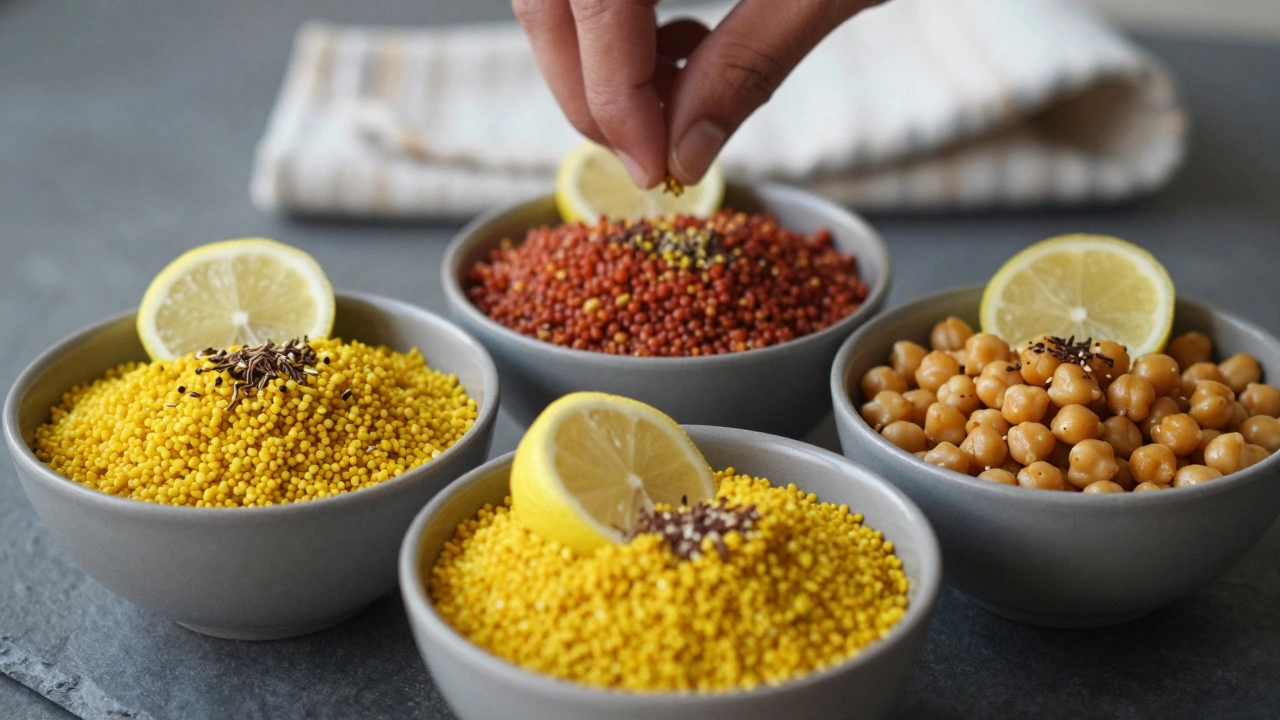
But here’s the thing: not all pulses are equal. Split yellow lentils (moong dal) have far fewer FODMAPs than whole chickpeas or kidney beans. A Monash University study from late 2024 showed that a 1/4 cup serving of cooked moong dal is low-FODMAP and safe for most IBS sufferers. Red lentils (masoor dal) are also well-tolerated. You don’t have to give up dal-you just have to pick the right kind.
Also, portion matters. Eating half a cup of chana dal every day might cause issues. Eating two tablespoons once in a while? Probably fine. Your gut can adapt. Gradually increasing pulse intake over weeks can improve tolerance. Many people with IBS report fewer symptoms after 6-8 weeks of regular, small servings.
What about nutrient absorption?
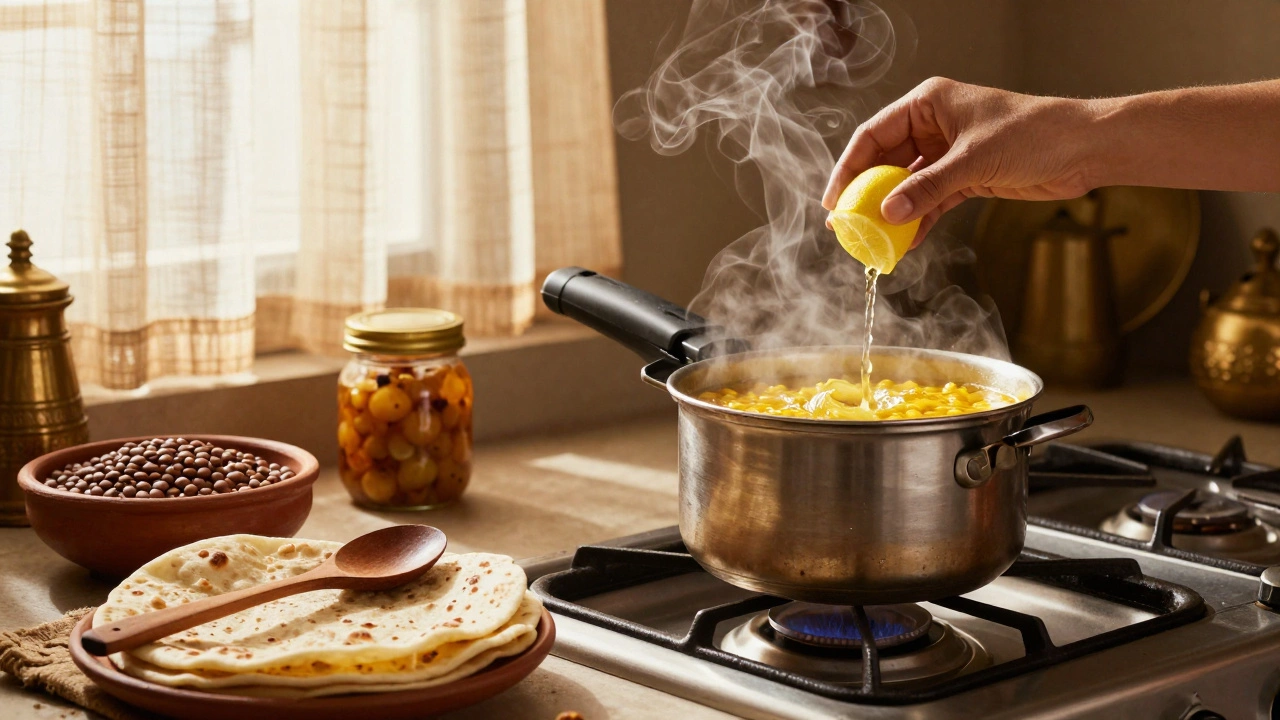
You’ve probably heard that pulses block iron absorption. That’s true-but only if you’re eating them alone with no vitamin C. Iron from plants (non-heme iron) is harder to absorb than iron from meat. But add a squeeze of lemon to your dal, or eat it with tomato curry, and absorption jumps by 3-4 times. In fact, traditional Indian meals already do this: dal with a side of amla pickle, or chana with spinach sabzi. These combos aren’t just tasty-they’re nutritionally smart.
Same goes for zinc and calcium. Cooking pulses with acidic ingredients like tamarind or yogurt helps unlock those minerals. So the problem isn’t the pulse. It’s how you serve it.
What about allergies or intolerance?
Allergic reactions to pulses are rare. Soy and peanuts are the most common legume allergens. But even among those, reactions are uncommon in India, where pulses are eaten daily from childhood. If you’ve suddenly developed bloating or rashes after eating dal, it’s more likely a gut imbalance or food sensitivity-not an allergy.
True allergies to lentils or black gram (urad dal) do exist, but they affect less than 0.1% of the population. Most people who think they’re allergic to pulses are actually reacting to the way the pulses were prepared: undercooked, fried in old oil, or mixed with spices that trigger reactions. Always check your cooking method before blaming the pulse itself.
Why do some people feel better when they cut out pulses?
If you cut out dal and suddenly feel less bloated, it’s not because pulses are inherently bad. It’s because you removed a major source of fiber and fermentable carbs. You might’ve been eating large portions daily, or eating them too fast, or combining them with fried foods or dairy. When you stop, your gut gets a break. But that doesn’t mean pulses are the enemy.
Many people who feel better after ditching pulses later find they can reintroduce them-just in smaller amounts, better cooked, and with more variety. A 2025 survey of 2,300 urban Indians who tried a low-pulse diet for a month showed that 68% were able to reintroduce moong dal and masoor dal without symptoms after 6 weeks.
How to eat pulses without discomfort
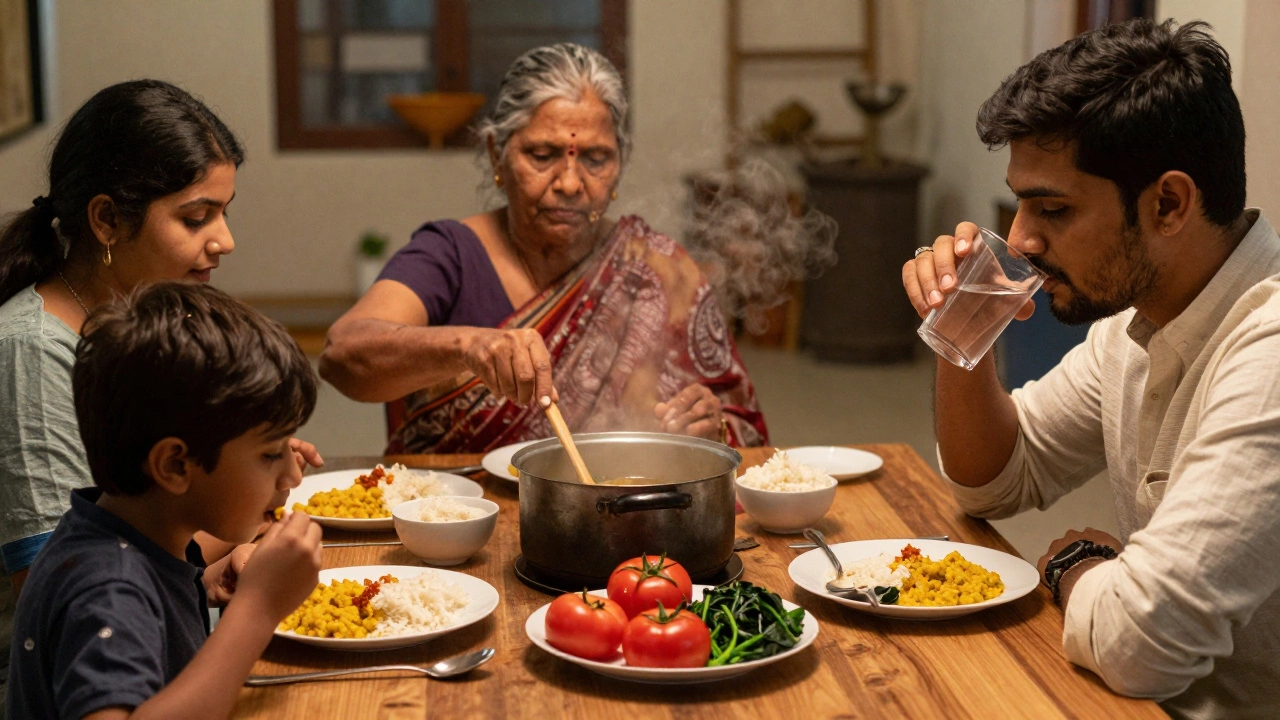
Here’s what works, based on real-world experience and research:
- Soak your pulses for at least 6-8 hours before cooking. This reduces cooking time and breaks down anti-nutrients.
- Pressure-cook them thoroughly. At least 15-20 minutes under pressure. Undercooked pulses are harder to digest.
- Start small. Try 2-3 tablespoons of dal per meal, not a full bowl.
- Combine with vitamin C-rich foods: tomatoes, lemon, amla, bell peppers.
- Choose low-FODMAP pulses: moong dal, masoor dal, split chickpeas. Avoid whole kidney beans or black chana if you’re sensitive.
- Chew slowly. Eating fast means swallowing air, which adds to bloating.
And if you’re making a simple dal recipe, skip the heavy cream or ghee. Too much fat slows digestion and makes bloating worse. A light tadka with cumin, mustard seeds, and garlic is enough.
The real downside of avoiding pulses
Here’s what happens when you cut pulses out of your diet: you lose protein, fiber, iron, folate, and magnesium. You replace them with white rice, bread, or processed snacks. Suddenly, your blood sugar spikes. Your digestion slows. Your energy crashes by mid-afternoon.
In India, pulses are the most affordable source of plant-based protein. For millions, they’re not a choice-they’re a lifeline. Avoiding them doesn’t fix gut issues. It just replaces one problem with another.
The science is clear: pulses aren’t bad for you. They’re one of the most nutrient-dense, sustainable, and affordable foods on the planet. The discomfort? That’s usually about preparation, portion, or timing-not the pulse itself.
If you’re struggling with bloating after dal, don’t quit. Adjust. Soak. Cook well. Start small. Pair smart. Your gut will thank you.
Are pulses bad for your kidneys?
No, pulses are not bad for healthy kidneys. In fact, they’re a great plant-based protein source that puts less strain on kidneys than meat. People with advanced kidney disease may need to limit potassium and phosphorus, and in those cases, a dietitian might suggest portion control. But for the vast majority, pulses support kidney health by reducing inflammation and lowering blood pressure.
Can you eat pulses every day?
Yes, and you should. Eating pulses daily is linked to lower risk of heart disease, type 2 diabetes, and colon cancer. The WHO recommends at least 3 servings of legumes per week, but many traditional diets-including Indian ones-consume them daily. Just make sure you’re drinking enough water and cooking them properly.
Do pulses cause weight gain?
No. Pulses are high in fiber and protein, which help you feel full longer. Studies show people who eat pulses regularly tend to weigh less than those who don’t. The issue isn’t the pulse-it’s what you eat with it. Adding too much oil, sugar, or fried garnishes turns a healthy dal into a calorie bomb.
Is canned dal safe to eat?
Canned pulses are pre-cooked and low in anti-nutrients, so they’re safe. But check the label. Many brands add salt, sugar, or preservatives. Rinse them well under water to remove excess sodium. For the healthiest option, cook your own-but canned dal is a fine shortcut when you’re short on time.
Are raw pulses toxic?
Yes, raw or undercooked pulses can contain high levels of lectins, which may cause nausea, vomiting, or diarrhea. That’s why soaking and thorough cooking is non-negotiable. Never eat dry lentils or beans without cooking them. But once cooked, they’re perfectly safe and nutritious.